Colonoscopy: At What Age Should You Start and How Often?
Colorectal cancer is one of the most preventable types of cancer, yet it remains one of the leading causes of cancer-related deaths worldwide. The reason is simple: many people delay screening because they do not know when to start or how often they should have a colonoscopy.
Early detection saves lives. Understanding the right timing for colonoscopy can significantly reduce the risk of advanced disease and improve treatment outcomes.
What Is a Colonoscopy and Why Is It Important?
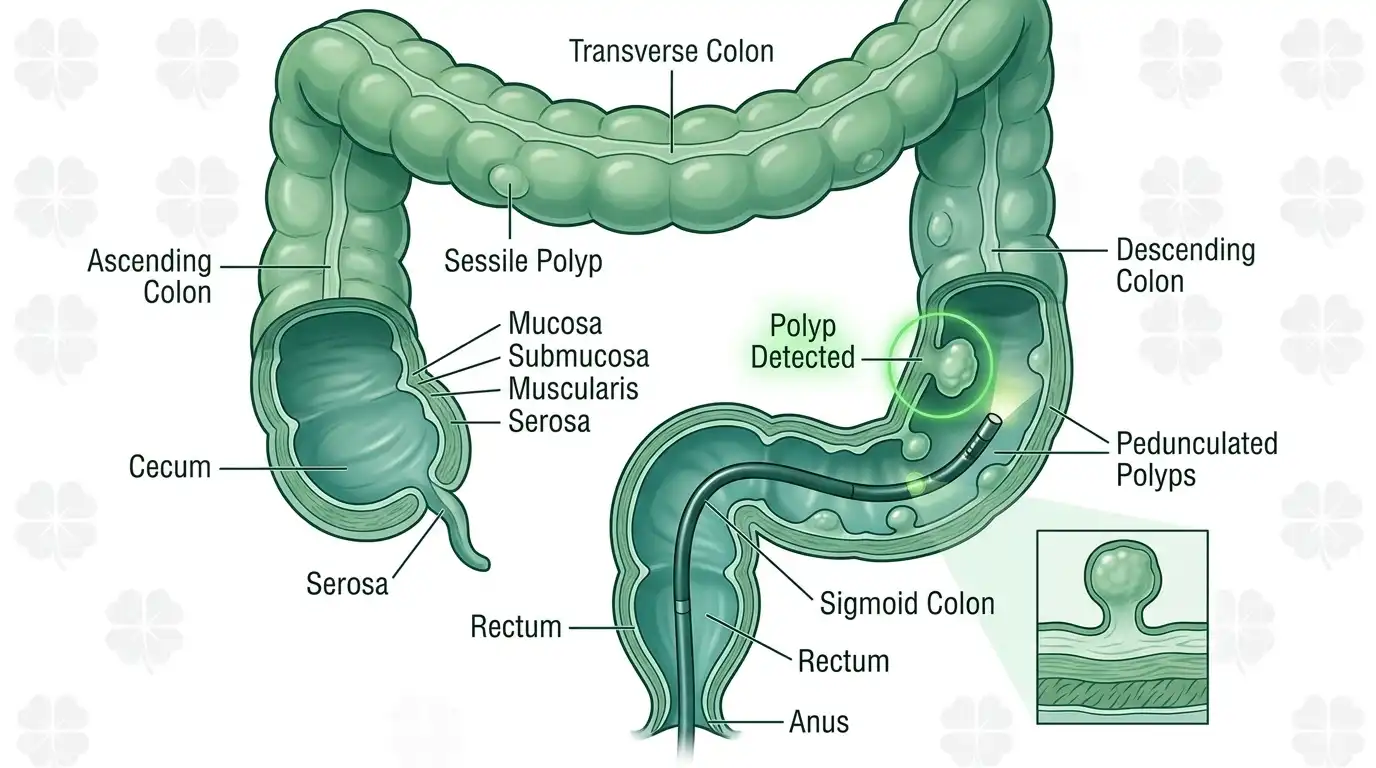
A colonoscopy is a safe and minimally invasive procedure that allows doctors to examine the inside of the colon and rectum. It helps detect:
-
Polyps (which can turn into cancer)
-
Early-stage colorectal cancer
-
Inflammation or other gastrointestinal conditions
The biggest advantage of colonoscopy is that it does not only detect problems, it can also prevent cancer by removing polyps before they become dangerous.
At What Age Should You Start Colonoscopy Screening?
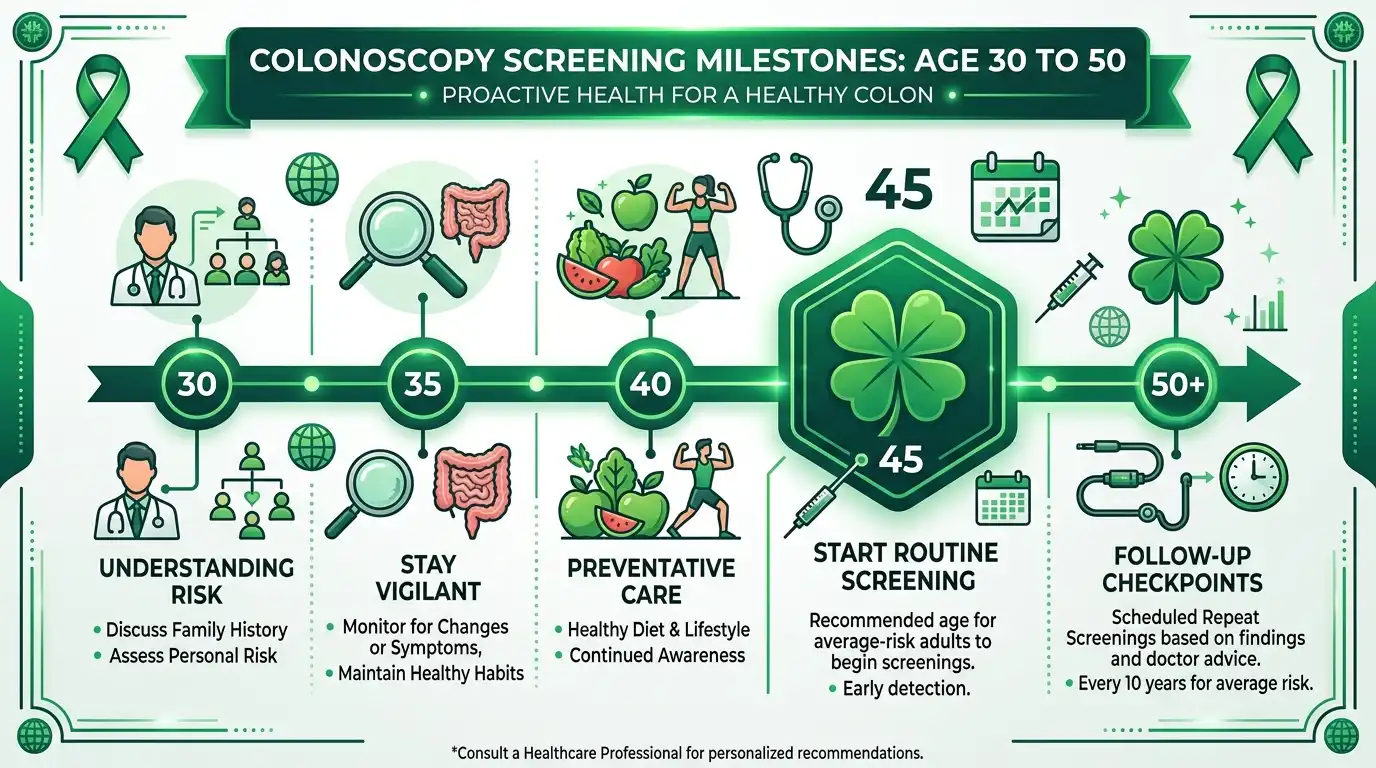
Most international health organizations, including the World Health Organization and leading gastroenterology societies, recommend starting routine colonoscopy screening at age 45 for individuals with average risk.
However, you may need to start earlier if you have:
-
A family history of colorectal cancer or polyps
-
Genetic conditions such as Lynch syndrome
-
Chronic inflammatory bowel diseases like ulcerative colitis or Crohn’s disease
-
Certain lifestyle risk factors
If any of these apply, screening may begin in your 30s or early 40s. A personalized medical assessment is essential to determine the right timing.
How Often Should You Have a Colonoscopy?
The frequency depends on your risk level and previous findings:
For average-risk individuals
- Every 10 years if the results are normal
If polyps are detected
- Every 3–5 years, depending on the type and number of polyps
High-risk patients
- Screening may be recommended more frequently
Your doctor will create a personalized follow-up plan based on your health profile.
What Are the Warning Signs That Should Not Be Ignored?
Even if you are below the recommended screening age, you should consult a specialist if you notice:
-
Blood in the stool
-
Persistent abdominal pain
-
Changes in bowel habits
-
Unexplained weight loss
-
Chronic fatigue
These symptoms do not always indicate cancer, but they should always be evaluated.

Is Colonoscopy Painful or Risky?
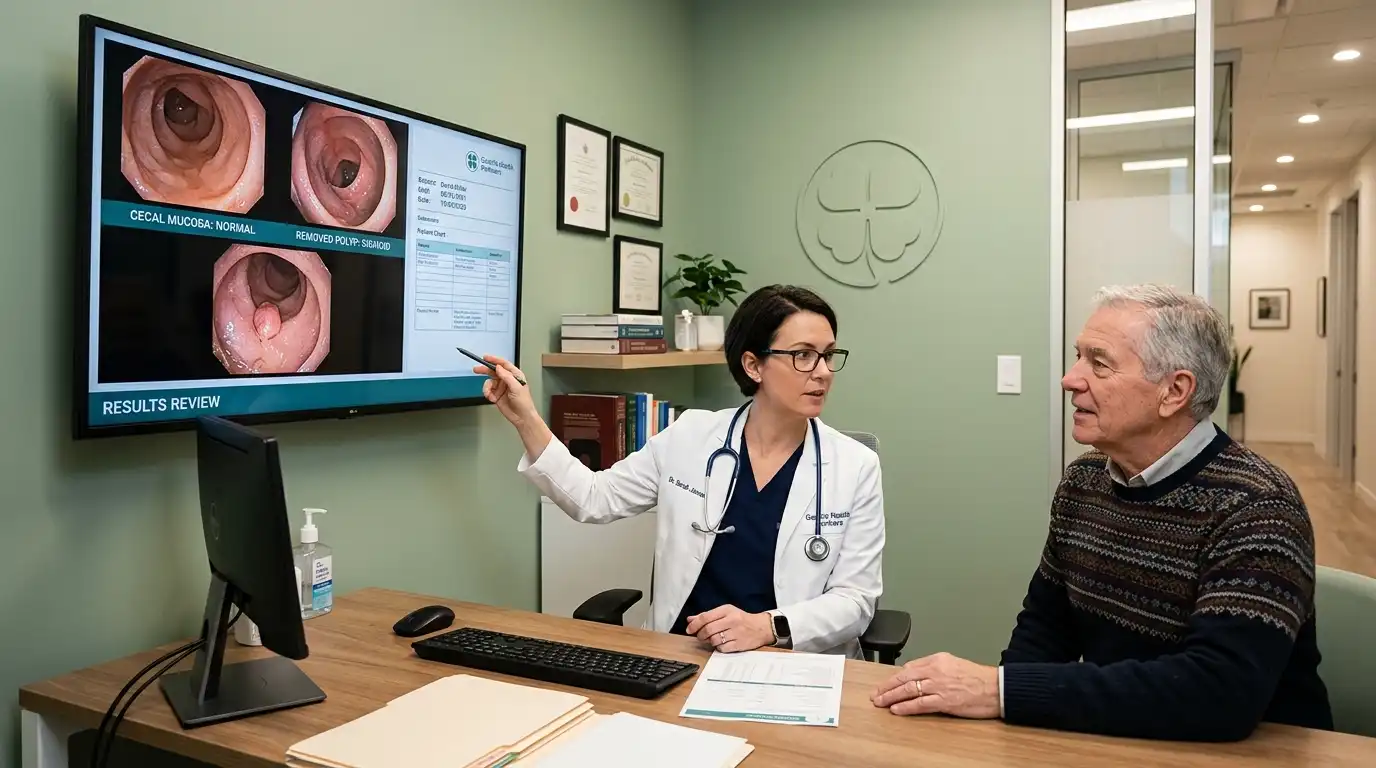
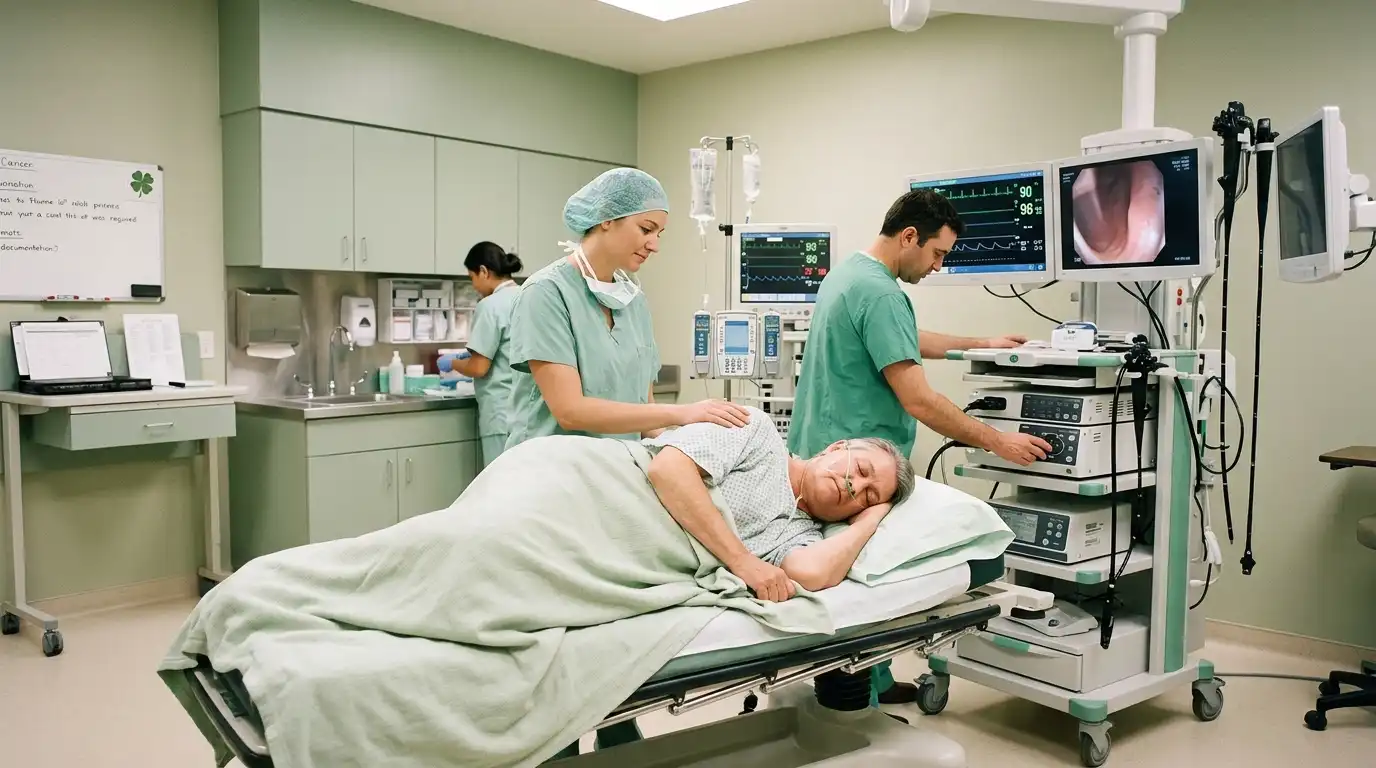
Colonoscopy is performed under sedation in modern medical centers, meaning patients are comfortable and do not feel pain during the procedure. Most people return to normal activities within a short time.
The risks are very low when the procedure is performed in accredited hospitals by experienced specialists.
Why Many International Patients Choose Türkiye for Colonoscopy
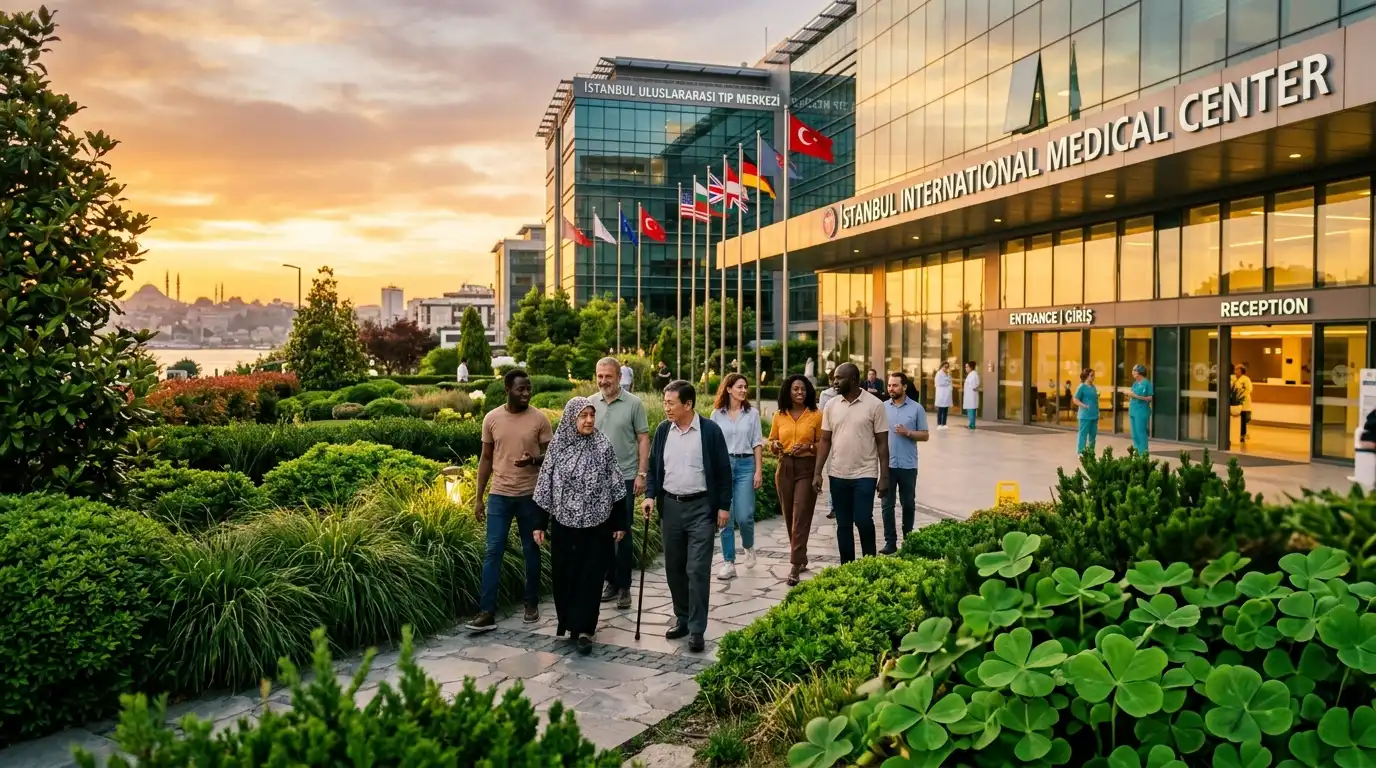
Today, more patients travel abroad for preventive healthcare, not only for treatment. Türkiye has become a leading destination due to:
-
Short waiting times
-
Advanced medical technology
-
Internationally accredited hospitals
-
Experienced gastroenterology specialists
-
Comprehensive patient support
At BB Global Health, we guide patients from the first consultation to follow-up care, ensuring a safe and transparent experience.
The Role of Early Detection in Long-Term Health
Colorectal cancer often develops silently over many years. Regular screening allows doctors to detect and remove precancerous lesions before symptoms appear. Early diagnosis leads to:
-
Higher survival rates
-
Less invasive treatment
-
Lower healthcare costs
-
Better quality of life
Screening is not only about finding disease, it is about protecting your future health.
Personalized Screening Plans with BB Global Health
Every patient is different. Our team collaborates with internationally recognized hospitals in Türkiye to provide:
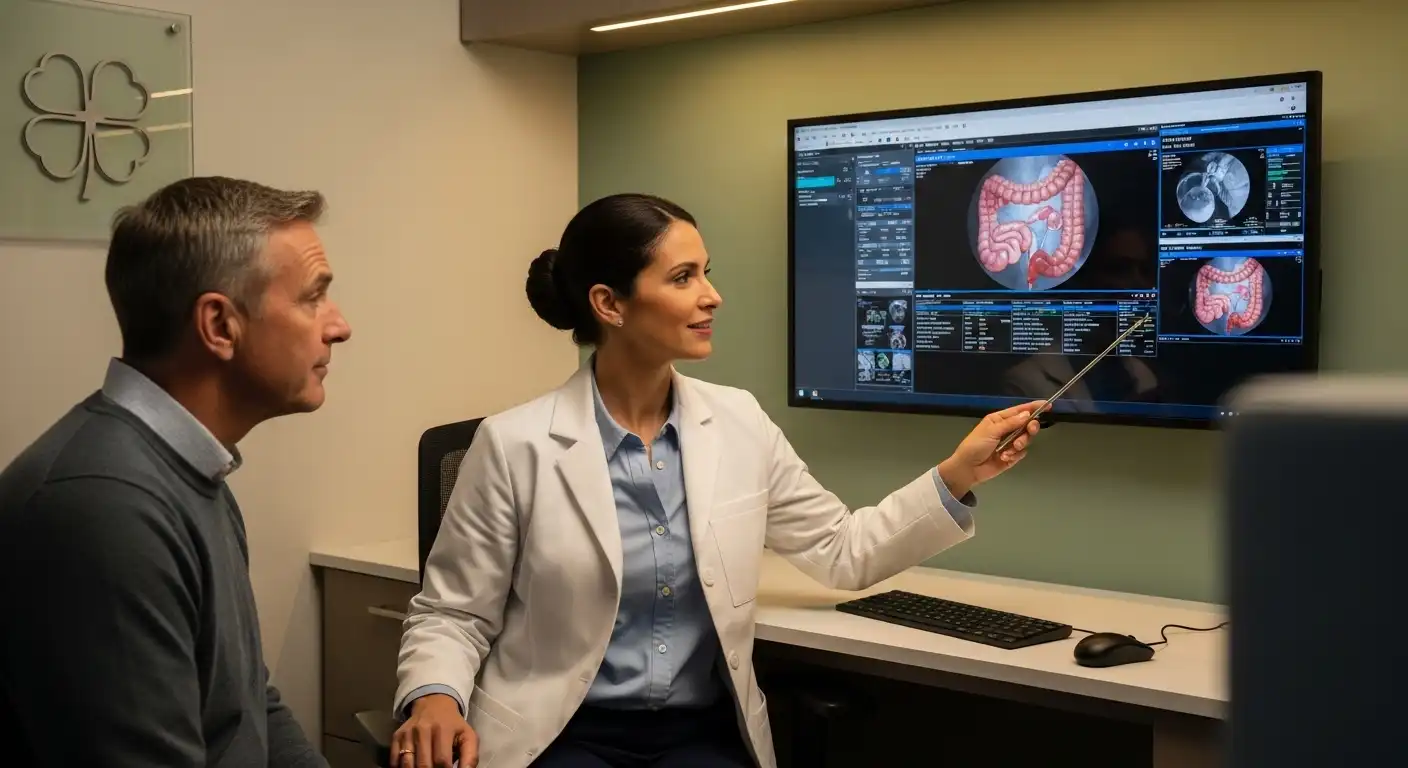
- Personalized risk assessment
-
Advanced screening programs
-
Multidisciplinary medical evaluation
-
Long-term follow-up support
If you are unsure about your risk or screening schedule, our specialists can help you create a tailored preventive care plan.
Take the First Step Toward Prevention
If you are over 45, have a family history of colorectal cancer, or want a preventive health check, now is the time to act.
Contact BB Global Health today to learn more about colonoscopy screening and preventive healthcare in Türkiye.