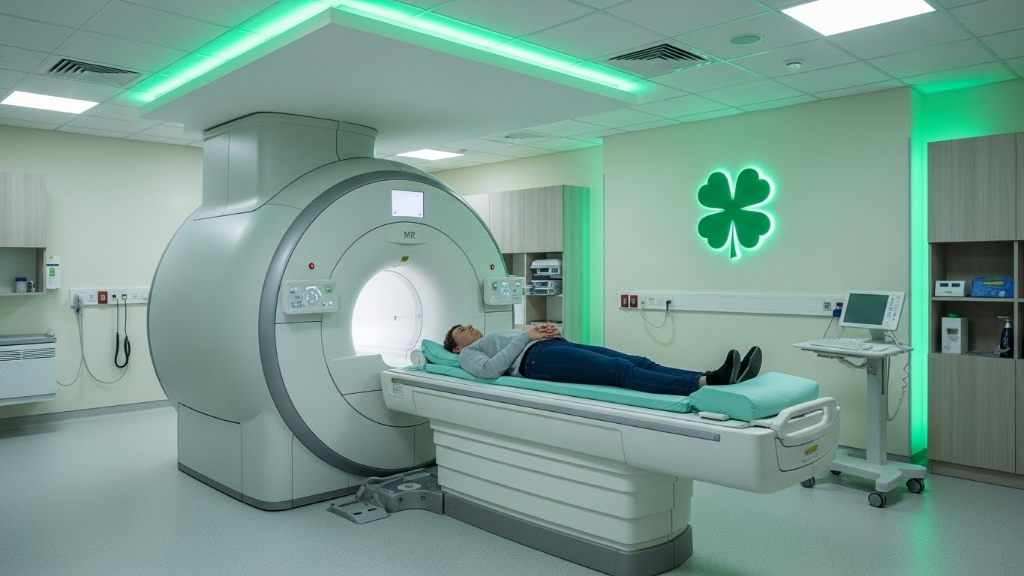
Full Body MRI: What It Can and Cannot Detect
A Full Body MRI is increasingly popular among people who want a comprehensive view of their health. Often promoted as an advanced screening tool, it can provide valuable insights, but it’s important to understand what a full body MRI can detect, what it cannot, and who actually benefits from it.
This guide explains the facts clearly, helping you make an informed decision.
What Is a Full Body MRI?
A Full Body Magnetic Resonance Imaging (MRI) scan uses strong magnetic fields and radio waves to create detailed images of organs, soft tissues, and structures throughout the body, without radiation exposure.
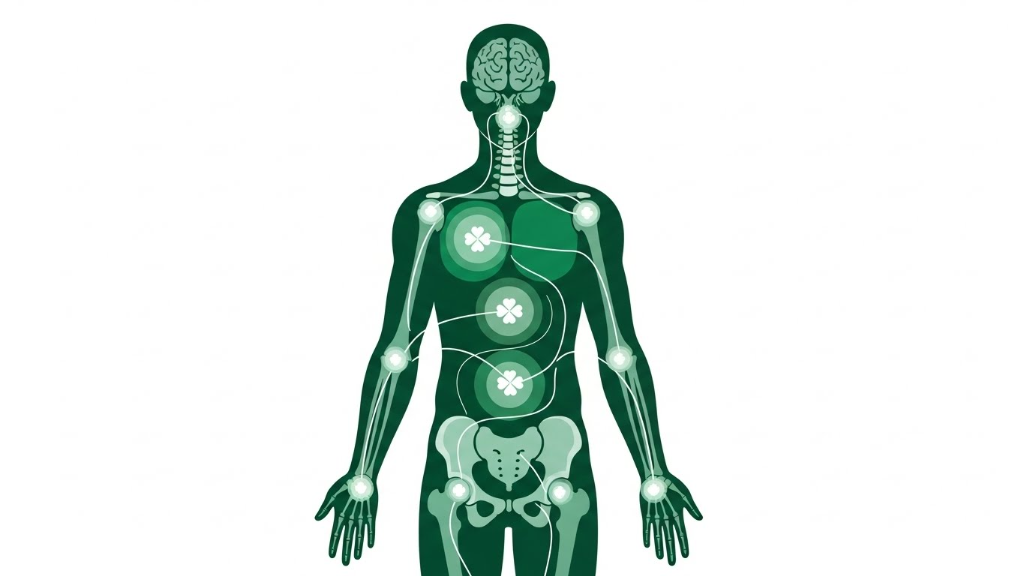
Unlike targeted MRIs that focus on a single area, a full body MRI scans multiple regions in one session, typically including:
-
Brain
-
Neck
-
Spine
-
Abdomen
-
Pelvis
-
Major joints and soft tissues
What Can a Full Body MRI Detect?
A full body MRI is particularly effective at detecting structural and soft-tissue abnormalities, including:
1. Tumors and Masses (Certain Types)
MRI can detect many solid tumors, especially in organs such as:
-
Brain
-
Liver
-
Kidneys
-
Pancreas
-
Adrenal glands
-
Soft tissues
It is especially useful for identifying abnormal masses before symptoms appear.
2. Spine and Joint Conditions
Full body MRI can reveal:
-
Disc herniation
-
Spinal stenosis
-
Degenerative joint disease
-
Inflammatory conditions
This makes it valuable for people with chronic pain or mobility issues.
3. Organ Abnormalities
MRI provides high-resolution imaging of:
-
Liver
-
Kidneys
-
Spleen
-
Pancreas
-
Pelvic organs
It can identify cysts, structural changes, and abnormal tissue growth.

4. Brain and Neurological Findings
MRI is one of the most accurate tools for detecting:
-
Brain lesions
-
Certain vascular abnormalities
-
Early neurological changes
5. Vascular Issues (Without Contrast in Some Cases)
Depending on the protocol, MRI can help visualize major blood vessels and detect aneurysms or vascular malformations.
What a Full Body MRI Cannot Detect
Despite its advantages, a full body MRI is not a universal cancer or disease detector.
1. Microscopic or Early-Stage Cancers
MRI may miss very small tumors or early cellular changes that have not yet caused structural abnormalities.
2. Blood Disorders and Metabolic Diseases
Conditions such as:
-
Anemia
-
Infections
-
Hormonal imbalances
-
Diabetes
cannot be diagnosed by MRI alone and require blood tests.
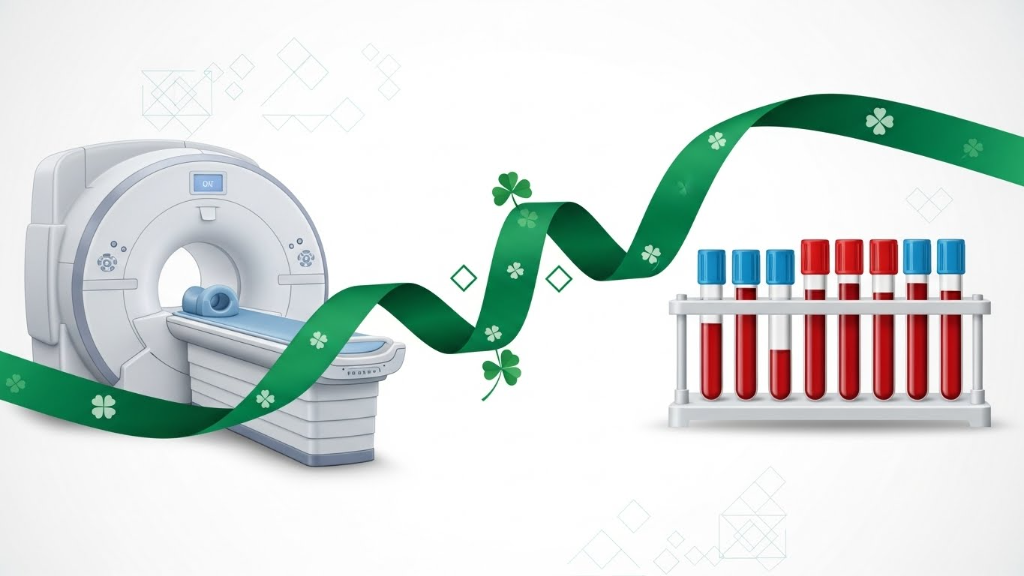
3. Functional or Biochemical Problems
MRI shows structure, not function. It cannot measure:
-
Organ performance
-
Enzyme activity
-
Tumor marker levels
4. Certain Gastrointestinal Conditions
Some stomach and bowel issues are better detected using:
-
Endoscopy
-
Colonoscopy
-
CT scans
5. Definitive Cancer Diagnosis
A full body MRI cannot confirm cancer on its own. Suspicious findings always require further evaluation, such as:
-
Targeted imaging
-
Blood tests
-
Biopsy
Is a Full Body MRI Enough for Cancer Screening?
No, and this is a common misconception.
A full body MRI can be part of a broader screening strategy, but it should never replace:
-
Clinical examination
-
Laboratory tests
-
Age-appropriate cancer screenings
-
Specialist evaluations
The most effective approach combines imaging with medical history, lab work, and professional assessment.
Who Should Consider a Full Body MRI?
A full body MRI may be beneficial for:
-
Individuals with a family history of cancer
-
People with unexplained symptoms
-
Patients seeking a comprehensive baseline health assessment
-
Those with contraindications to radiation-based imaging
-
Individuals advised by a physician as part of a personalized check-up plan
It is not routinely necessary for everyone.
Risks and Limitations to Consider
While MRI is safe, it’s important to know:
-
Incidental findings may cause unnecessary anxiety
-
Not all findings are clinically significant
-
Follow-up tests may be required
-
Interpretation requires experienced radiologists
This is why medical guidance before and after the scan is essential.
A Full Body MRI is a powerful diagnostic tool, but not a standalone solution. Understanding its strengths and limitations is key to using it effectively. The best results come from a personalized screening plan, guided by medical professionals who can interpret findings correctly and recommend next steps.
At BB Global Health, we help patients understand whether a full body MRI is appropriate and how it fits into a comprehensive health evaluation, ensuring clarity, accuracy, and confidence in every decision.