Symptoms, Causes, and When Surgery Is Needed
Gallbladder problems are more common than many people realize. From silent gallstones to painful inflammation, gallbladder conditions can affect digestion, daily comfort, and overall health. Understanding the symptoms and knowing when to seek medical care is essential for early treatment and better outcomes.
What Is the Gallbladder and What Does It Do?
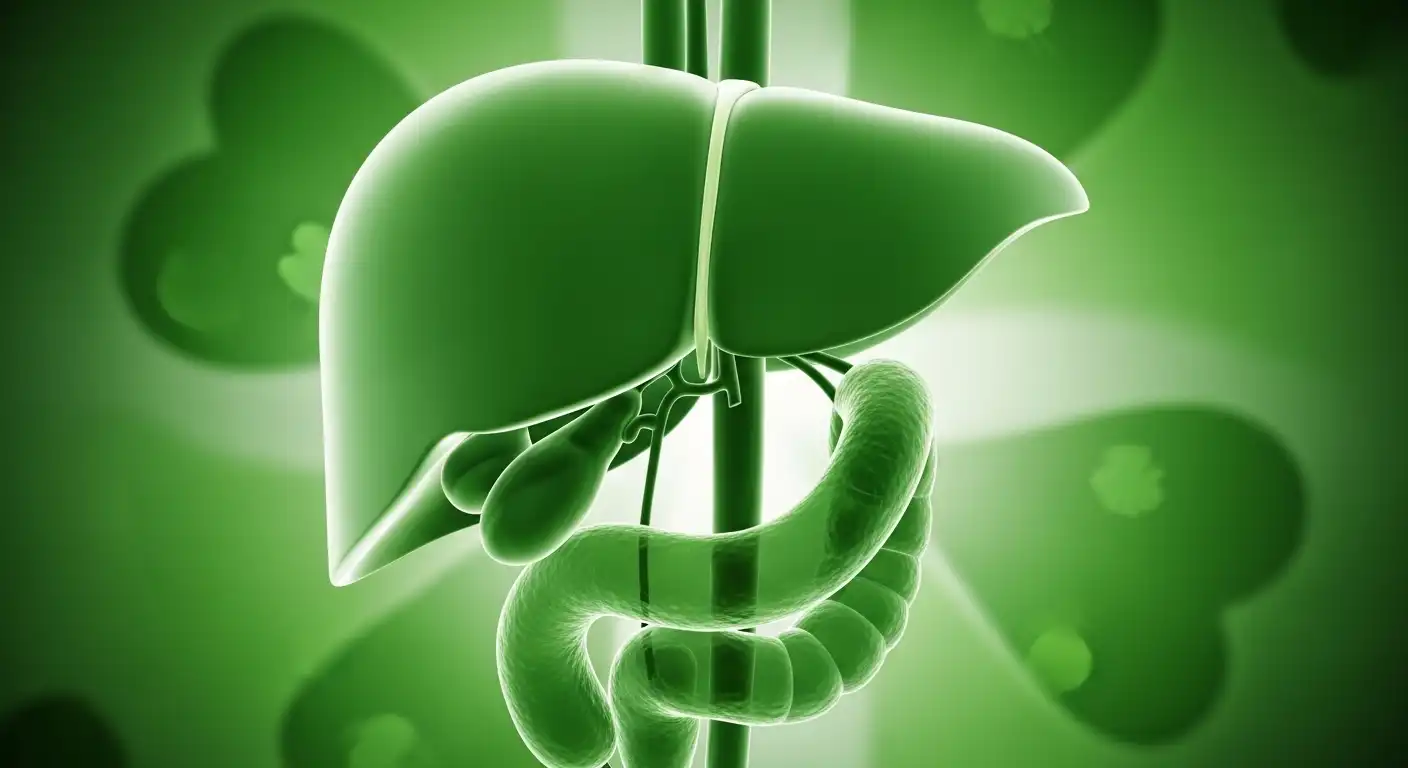
The gallbladder is a small organ located under the liver. Its main role is to store bile, a digestive fluid that helps break down fats. While the gallbladder is not essential for survival, problems with this organ can significantly impact quality of life.
Common Gallbladder Problems
The most frequent gallbladder conditions include:
-
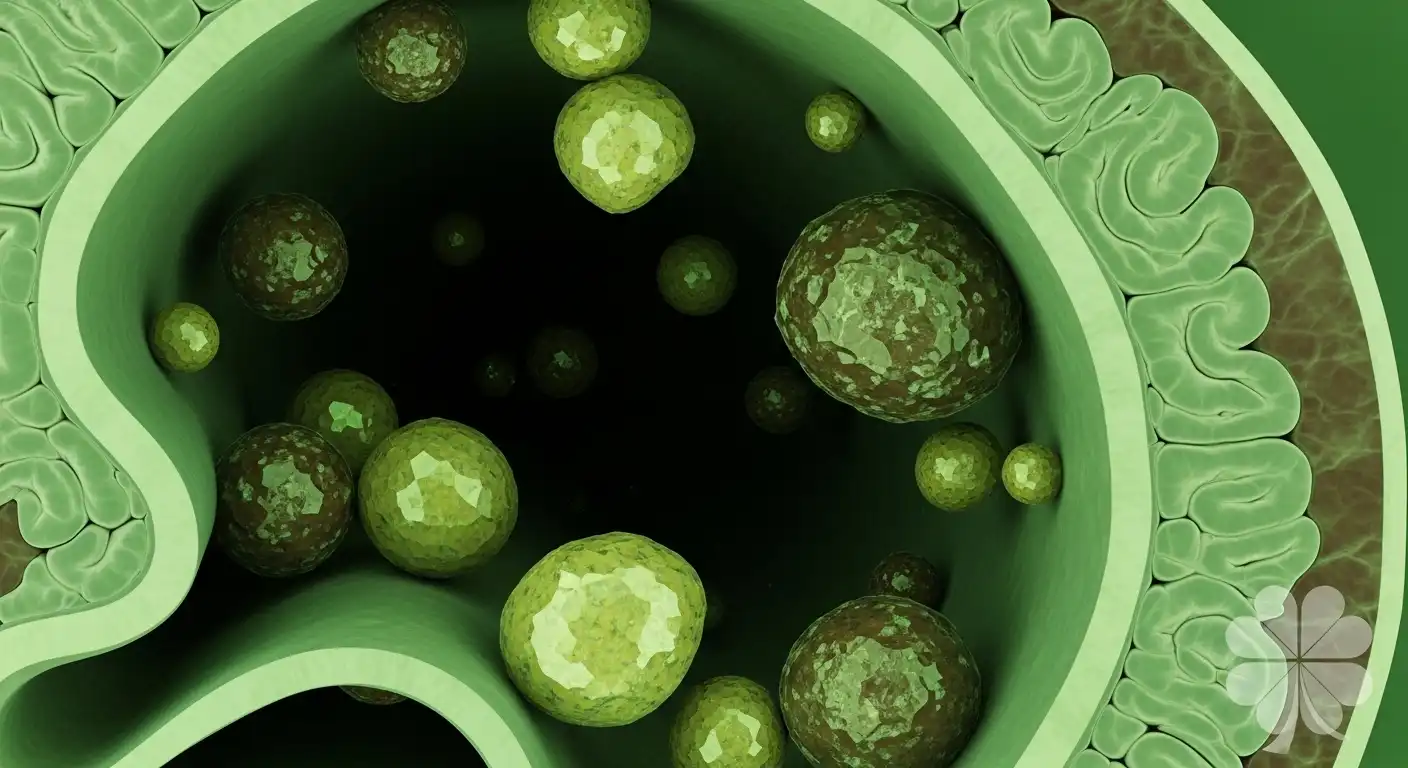
Gallstones (cholelithiasis): Hardened deposits of bile that can block bile flow
-
Gallbladder inflammation (cholecystitis): Often caused by gallstones
-
Biliary colic: Sudden pain due to temporary blockage
-
Gallbladder dysfunction: Poor emptying without visible stones
Some people have gallstones without symptoms, while others experience severe discomfort.
Symptoms You Should Not Ignore
Gallbladder problems often present with digestive-related symptoms, including:
-
Pain in the upper right abdomen
-
Pain after eating fatty or heavy meals
-
Nausea or vomiting
-
Bloating or indigestion
-
Pain that radiates to the back or right shoulder
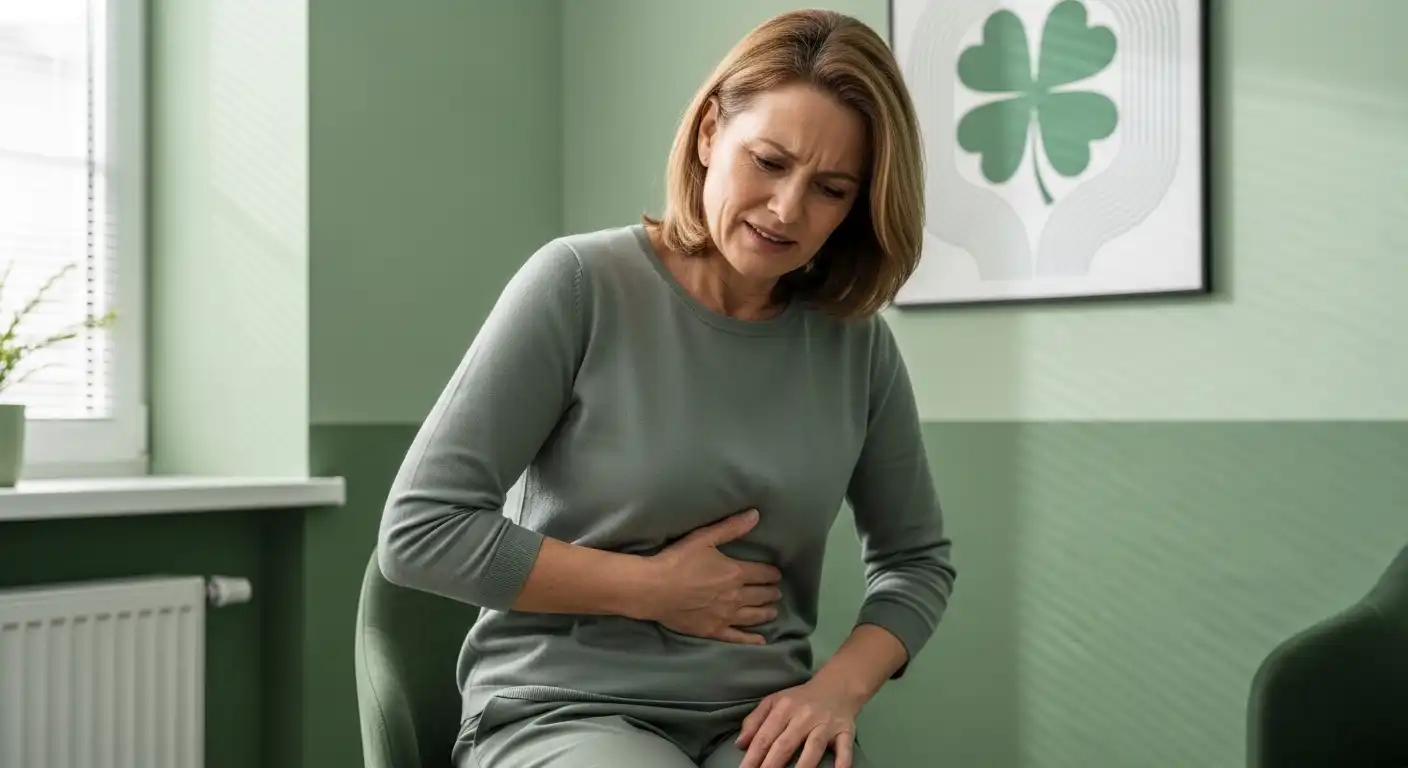
Persistent or worsening symptoms should always be evaluated by a medical professional.
What Causes Gallbladder Problems?
Several factors increase the risk of gallbladder disease, such as:
-
Rapid weight loss
-
Obesity or metabolic conditions
-
Pregnancy
-
High-fat diets
-
Hormonal changes
-
Family history
Lifestyle factors and metabolic health play a significant role in gallbladder function.
Can Diet Affect Gallbladder Health?
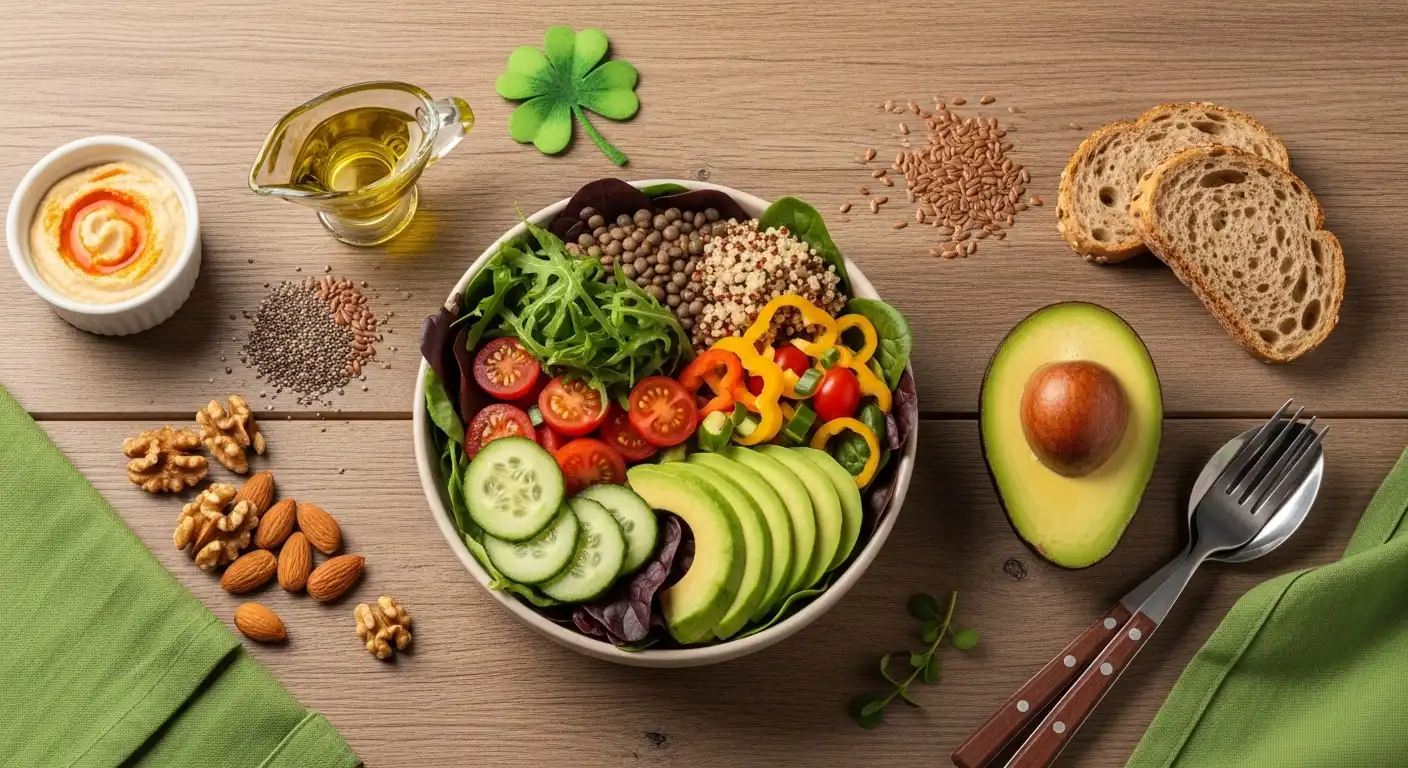
Yes. Diet has a direct impact on gallbladder function. Diets high in saturated fats and low in fiber may increase gallstone formation, while balanced meals with healthy fats, vegetables, and adequate hydration support bile flow and digestion. However, diet alone may not resolve existing gallstones once they become symptomatic.
When Is Gallbladder Surgery Recommended?
Gallbladder removal surgery (cholecystectomy) is typically recommended when:
-
Gallstones cause repeated pain or inflammation
-
Complications such as infection or bile duct blockage occur
-
Symptoms interfere with daily life
Modern gallbladder surgery is usually performed using minimally invasive techniques, allowing for faster recovery and shorter hospital stays.

Life After Gallbladder Surgery
Most patients adapt well after gallbladder removal. The liver continues to produce bile, which flows directly into the digestive system. Temporary dietary adjustments may be recommended, but long-term digestion is generally not affected for most people.
Gallbladder Care and International Treatment Options
For international patients, receiving timely diagnosis and modern surgical care is essential. Access to experienced surgeons, advanced imaging, and minimally invasive techniques can significantly improve recovery and comfort.
At BB Global Health, patients are guided through every step of gallbladder care, from diagnosis and medical evaluation to treatment coordination and follow-up. International patients receive comprehensive support, including hospital coordination and post-treatment guidance.

Gallbladder problems are common, but they are also highly treatable when addressed early. Understanding symptoms and seeking proper medical evaluation can prevent complications and improve long-term digestive health.
If you experience persistent abdominal pain or digestive discomfort, consult a healthcare professional for proper diagnosis and personalized treatment recommendations.