
Heartburn, Reflux, or Something More? When Digestive Symptoms Need Medical Attention
Occasional heartburn or acid reflux is common and often harmless. However, when digestive symptoms become frequent, persistent, or severe, they may signal an underlying condition that requires medical evaluation.
Understanding the difference between temporary digestive discomfort and symptoms that need professional attention is key to protecting long-term gastrointestinal health.
What Is Heartburn and Acid Reflux?
Heartburn is a burning sensation in the chest that occurs when stomach acid flows back into the esophagus. This backward flow is known as acid reflux.
Common causes include:
-
Large or late meals
-
Spicy or fatty foods
-
Caffeine or alcohol
-
Smoking
-
Stress
-
Lying down soon after eating
In many cases, lifestyle adjustments and short-term treatment are enough to manage occasional reflux.

When Reflux Becomes a Medical Condition
If reflux symptoms occur more than twice a week, they may indicate gastroesophageal reflux disease (GERD).
GERD can lead to:
-
Chronic inflammation of the esophagus
-
Difficulty swallowing
-
Damage to the esophageal lining
-
Increased risk of Barrett’s esophagus and esophageal cancer
Persistent reflux should never be ignored, even if symptoms seem mild.
Digestive Symptoms That Need Medical Attention
While heartburn is common, certain symptoms require further evaluation by a specialist.

You should seek medical attention if you experience:
-
Persistent heartburn or reflux despite medication
-
Difficulty or pain when swallowing
-
Unexplained weight loss
-
Chronic nausea or vomiting
-
Chest pain not related to heart conditions
-
Black or bloody stools
-
Ongoing bloating or early fullness
-
Iron deficiency or unexplained anemia
These signs may point to conditions such as ulcers, gastritis, esophageal inflammation, or gastrointestinal cancers.
Could It Be Something More Serious?
Digestive symptoms can sometimes be early indicators of more serious conditions, including:
-
Stomach cancer
-
Esophageal cancer
-
Hiatal hernia
-
Peptic ulcer disease
-
Helicobacter pylori infection
Early-stage gastrointestinal diseases often cause subtle symptoms. This is why timely evaluation is critical.
How Digestive Conditions Are Diagnosed
If symptoms persist, doctors may recommend diagnostic tests such as:
-
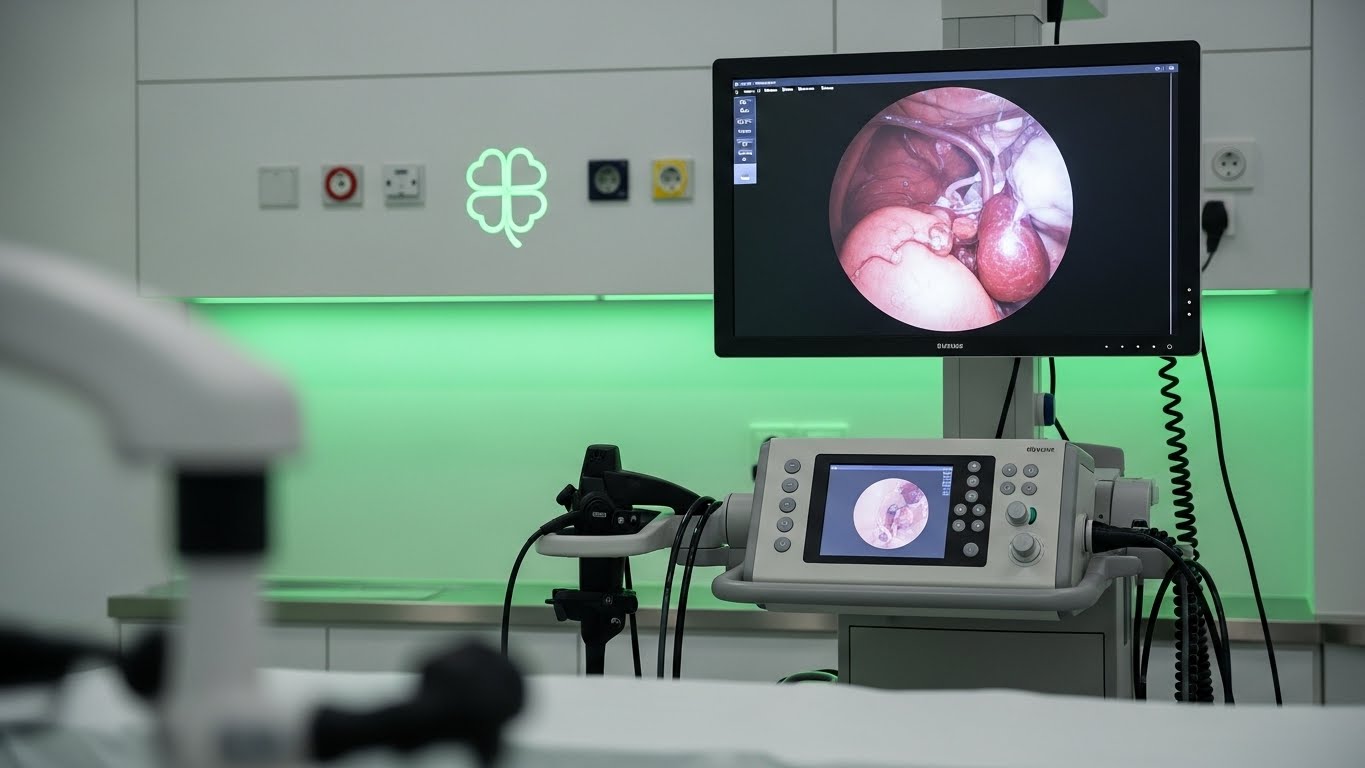
Upper endoscopy (gastroscopy)
-
Imaging studies
-
Blood tests
-
Breath or stool tests
-
Biopsy if needed
These tests help identify inflammation, structural changes, infections, or early malignancies.
Why Early Evaluation Matters
Early diagnosis allows:
-
Less invasive treatment
-
Faster symptom relief
-
Prevention of long-term complications
-
Early detection of serious diseases
-
Better treatment outcomes
Waiting too long can allow manageable conditions to progress.

Digestive Health Care at BB Global Health
At BB Global Health, we provide comprehensive digestive health evaluation for international patients seeking expert care in Türkiye.
Our services include:
-
Specialist gastroenterology consultations
-
Advanced diagnostic procedures, including endoscopy
-
Personalized treatment plans
-
Coordinated care in internationally accredited hospitals
-
Full support for international patients, from consultation to follow-up
We focus on clarity, accuracy, and patient comfort at every step.

Listen to Your Body
Digestive symptoms are your body’s way of signaling when something isn’t right. While occasional heartburn is common, persistent or worsening symptoms should never be ignored.
If you are experiencing ongoing reflux, heartburn, or unexplained digestive discomfort, professional evaluation can provide answers, and peace of mind.
To schedule a consultation or learn more about digestive health care in Türkiye, contact BB Global Health:
+90 530 479 59 44