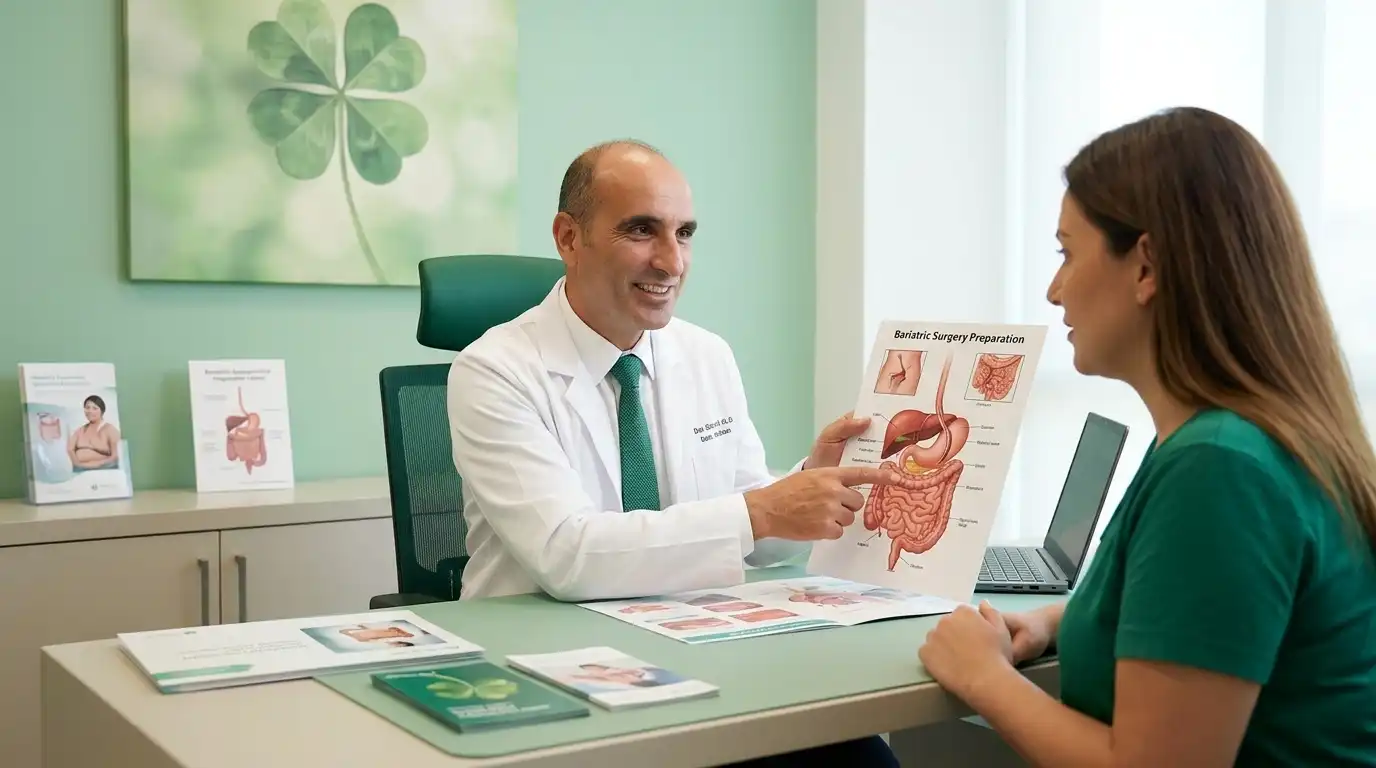
Side Effects After Prostate Surgery: What to Expect & How to Recover
Prostate surgery, including radical prostatectomy and minimally invasive or robotic-assisted procedures, is one of the most effective treatments for localized prostate cancer. While the success rate is high, patients often have questions about what recovery looks like and what side effects are normal.
Understanding what to expect can reduce anxiety, support faster recovery, and help patients make informed decisions. This guide covers the most common side effects after prostate surgery and the steps you can take to recover safely and comfortably.
Understanding Prostate Surgery & Recovery
Prostate surgery involves removing all or part of the prostate gland. Depending on the patient’s condition, surgeons may use:
-
Open surgery
-
Laparoscopic (minimally invasive) surgery
-
Robotic-assisted prostatectomy
Robotic surgery, widely used at top international medical centers, offers several advantages:
-
Smaller incisions
-
Lower complication rates
-
Less pain
-
Faster return to daily activities
Still, like any major surgery, side effects can occur. Being prepared helps patients feel more confident as they move through recovery.
Common Side Effects After Prostate Surgery
1. Urinary Incontinence
Temporary urinary leakage is one of the most common side effects after prostate surgery, especially in the early weeks.
This happens because the prostate sits close to muscles and nerves that control bladder function. Most patients experience improvement within a few weeks to months, and full control often returns over time.
How to manage it:
-
Perform pelvic floor (Kegel) exercises regularly
-
Avoid caffeine and alcohol
-
Stay hydrated but spread fluids throughout the day
-
Use protective pads during early recovery
Your healthcare team may also recommend pelvic floor therapy for additional support.
2. Erectile Dysfunction
Nerves that control erections run along the prostate, and they can be affected during surgery. Even with nerve-sparing procedures, temporary erectile dysfunction (ED) is common.
Recovery varies, some men regain function within months, while others may take longer.
Supportive treatments may include:
-
Medications (PDE5 inhibitors)
-
Vacuum erection devices
-
Penile rehabilitation programs
-
Guided therapy with a urologist
Early intervention often leads to better outcomes.
3. Pelvic Discomfort & Pain
Mild pelvic pain, pressure, or discomfort is expected in the first few weeks. This is typically manageable with prescribed medication and gradually improves as tissue heals.
Tips for relief:
-
Take medications as directed
-
Walk daily to promote circulation
-
Use supportive cushions when sitting
-
Avoid lifting heavy objects
Persistent or severe pain should always be evaluated by your doctor.
4. Fatigue & Low Energy
Fatigue is normal after any major surgery, including prostatectomy. The body is using energy to heal, which can result in slower movement, reduced stamina, and the need for more rest.
How to manage fatigue:
-
Prioritize sleep
-
Take short, gentle walks
-
Avoid overexertion
-
Eat balanced, nutrient-rich meals
Energy levels typically return to normal within several weeks.
5. Changes in Ejaculation
After prostate surgery, ejaculation changes significantly. You may experience “dry orgasm”, climax without semen. This is normal because the prostate and seminal vesicles, which produce most of the semen, are removed or altered.
This change does not affect the ability to experience pleasure or orgasm, though sensations may feel different.
6. Bowel Function Changes
Some men may temporarily experience constipation or bowel irregularities after surgery due to anesthesia, reduced mobility, or pain medications.
Helpful tips:
-
Increase fiber intake
-
Drink plenty of water
-
Use stool softeners if recommended
Most patients return to normal bowel function quickly.
How to Support Your Recovery After Prostate Surgery
1. Follow Post-Operative Instructions Carefully
Your medical team will provide detailed guidance on caring for your incision, managing your catheter, and recognizing warning signs. Following these instructions is essential for a smooth recovery.
2. Start Pelvic Floor Exercises Early
Strengthening pelvic floor muscles is key to improving bladder control. Your doctor may guide you on when to begin, often within days or weeks after surgery.
3. Maintain a Healthy Lifestyle
This includes:
-
Eating a balanced diet rich in vegetables, fruits, and lean proteins
-
Avoiding smoking and limiting alcohol
-
Staying active with short, gentle walks
-
Keeping a healthy weight
A strong lifestyle foundation supports overall healing.
4. Attend All Follow-Up Appointments
Regular follow-ups allow your medical team to:
-
Monitor recovery progress
-
Track PSA levels
-
Adjust treatment or rehabilitation as needed
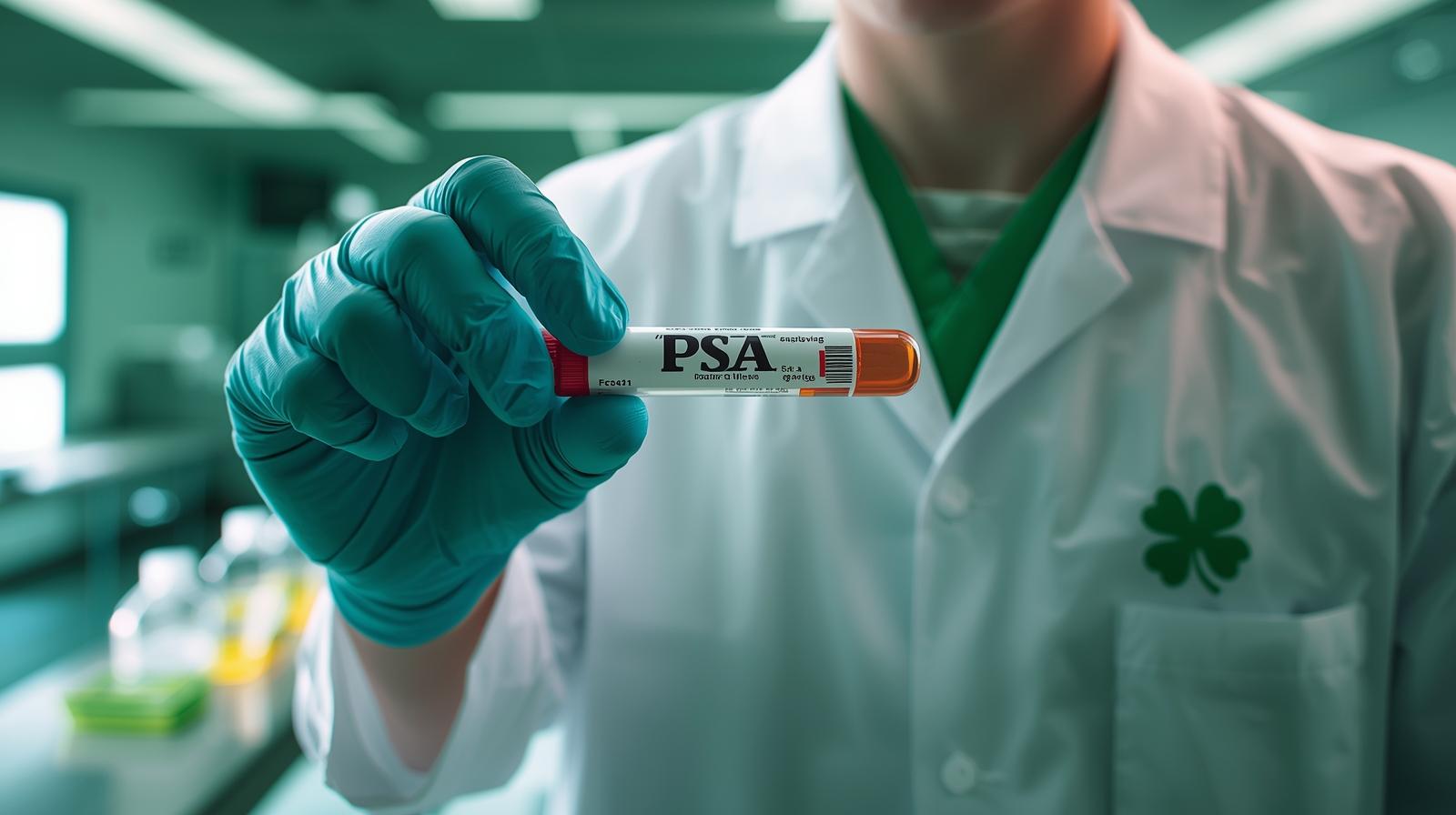
These visits are essential for long-term success.
5. Seek Emotional & Psychological Support
Prostate surgery can affect emotional wellbeing as much as physical health. Patients may experience anxiety, frustration, or concerns about intimacy and identity.

Speaking with a counselor, joining support groups, or discussing concerns with your medical team can make a meaningful difference during recovery.
Prostate Surgery Care at BB Global Health

At BB Global Health, we provide advanced and compassionate prostate cancer treatment for international patients seeking care in Türkiye. Our services include:
-
Robotic-assisted prostate surgery
-
Minimally invasive treatment options
-
Comprehensive post-operative care
-
Pelvic floor rehabilitation support
-
Personalized recovery plans
-
End-to-end travel, translation, and patient coordination
We guide each patient step by step, from diagnosis to recovery, ensuring comfort, safety, and world-class medical expertise.
Start Your Recovery with Confidence
Understanding what to expect after prostate surgery helps patients take control of their healing journey. With the right care and support, most men return to normal activities and achieve excellent long-term outcomes.
For consultation or assistance with prostate cancer treatment, contact BB Global Health:
+90 530 479 59 44