
On-Pump CABG - Off-Pump CABG - LIMA Grafting - Full ICU - All-Inclusive

Coronary Artery Bypass Surgery in Turkey

Open Heart Surgery - Expert Cardiac Surgeons - Full ICU Support

Coronary artery bypass grafting (CABG) restores blood flow to the heart muscle by bypassing blocked or narrowed coronary arteries using vessel grafts - typically the internal mammary artery and saphenous vein. CABG is indicated when angioplasty (stenting) is not feasible or sufficient: in triple-vessel disease, left main coronary stenosis, or diabetes with multi-vessel coronary disease. BB Global Health partner hospitals perform CABG (including off-pump CABG on a beating heart) by senior cardiac surgeons with full cardiac ICU and post-operative care.

At a Glance

4-6 Hours Surgery
7-10 Nights Hospital
10-14 Days Hotel
6-8 Weeks Recovery
Discuss My Coronary Case
Accredited Cardiac Surgery Centres
Specialist Cardiac Surgeons
Full Cardiac ICU
50-60% Below UK Costs
When Is CABG Indicated?
Bypass Surgery vs. Coronary Stenting

When Is CABG Indicated?

The decision between coronary artery bypass grafting (CABG) and percutaneous coronary intervention (PCI - angioplasty and stenting) is one of the most important in cardiovascular medicine, made jointly by cardiac surgeons, interventional cardiologists, and the patient.

CABG is preferred over PCI in:

  • Left main coronary artery stenosis (>50%) - CABG provides more durable protection of the left ventricle
  • Three-vessel coronary artery disease (triple vessel disease) - especially in patients with diabetes where CABG shows survival benefit vs. stenting long-term
  • Complex multi-vessel disease with low SYNTAX score for PCI and high surgical risk score (anatomy favouring surgical revascularisation)
  • Previous PCI failure or re-stenosis in multiple vessels
  • Combined coronary disease with valvular heart disease requiring simultaneous repair

CABG vs. PCI outcomes (major trials):

  • SYNTAX Trial: CABG superior to PCI for triple-vessel and left main disease at 5 years
  • FREEDOM Trial (diabetics): CABG significantly better 5-year survival than PCI in multi-vessel diabetics
  • Left main: EXCEL Trial - similar outcomes at 3 years; CABG benefit emerges at 5+ years

Graft types:

  • Left Internal Mammary Artery (LIMA): Gold standard; longest-lasting graft (90% patent at 10 years); used to bypass the left anterior descending artery (LAD - the most critical coronary vessel)
  • Radial artery: Second arterial graft for additional targets; 80-85% patent at 10 years
  • Saphenous vein graft (SVG): Harvested from leg; widely used for additional bypasses; 60-70% open at 10 years (less durable than arterial grafts)
  • Total arterial revascularisation (bilateral LIMA + radial) provides best long-term results in younger patients

Off-pump CABG (Beating Heart Surgery): In standard CABG, the heart-lung machine (cardiopulmonary bypass) maintains circulation while the heart is stopped. Off-pump CABG is performed on the beating heart using a mechanical stabiliser to hold the local area still during anastomosis. Potential advantages: avoids pump-related neurological complications; suitable for patients with calcified aorta or poor cardiopulmonary reserve. Technical demands are higher - available at our partner hospitals with experienced off-pump surgeons.
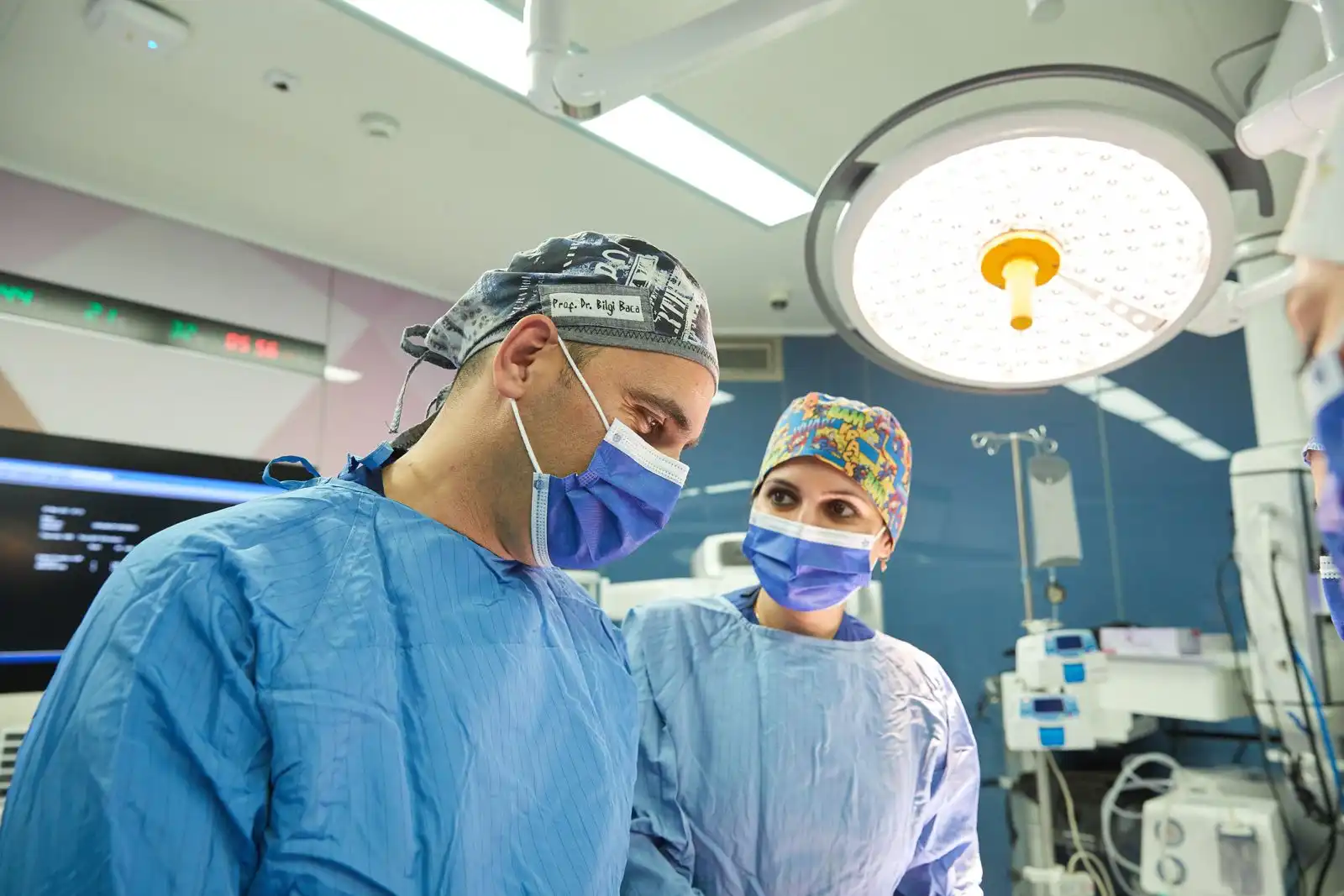
The CABG Procedure and Hospital Course
From Cardiac ICU to Discharge

The CABG Procedure and Hospital Course

Pre-operative assessment:

  • Coronary angiogram (catheterisation): essential for surgical planning - defines vessel anatomy and target bypass sites
  • Echocardiogram: left ventricular function, valve status
  • Carotid duplex ultrasound (assess for carotid disease - relevant to cerebral perfusion on bypass)
  • Pulmonary function tests, creatinine, HbA1c, INR (anticoagulation review)
  • Share all cardiac investigations with BB Global Health before travel

Surgery:

  • General anaesthesia; median sternotomy (sternal bone is divided vertically)
  • Graft vessels harvested simultaneously by second surgeon (LIMA + vein or + radial)
  • Cardiopulmonary bypass established (on-pump) or stabiliser placed (off-pump)
  • Distal anastomoses (connections to coronary arteries beyond the blocks): performed first
  • Proximal anastomoses: grafts attached to the aorta
  • Number of bypasses: typically 2-4 (double, triple, or quadruple bypass)
  • Chest closed over sternal wires; drain placed

Cardiac ICU (Day 0-1):

  • Patient wakes in cardiac ICU; ventilator removed within 4-8 hours usually
  • Arterial line, central venous line, chest drains, urinary catheter, cardiac monitoring
  • IV antibiotic prophylaxis; anticoagulation commenced

Hospital ward (Day 2-7):

  • Physiotherapy from Day 2: sitting, standing, walking progressively
  • Chest drains removed Day 2-3; pacing wires removed Day 3-5
  • Sternal wound care; breathing exercises (incentive spirometry)
  • Discharge Day 7-10 for uncomplicated cases

Post-discharge (in Turkey - hotel stay):

  • 10-14 days hotel recovery before flying home is strongly recommended (sternal stability, wound healing, altitude considerations)
  • Total flight restriction: minimum 10-14 days for medium-distance flights; 4-6 weeks for long-haul
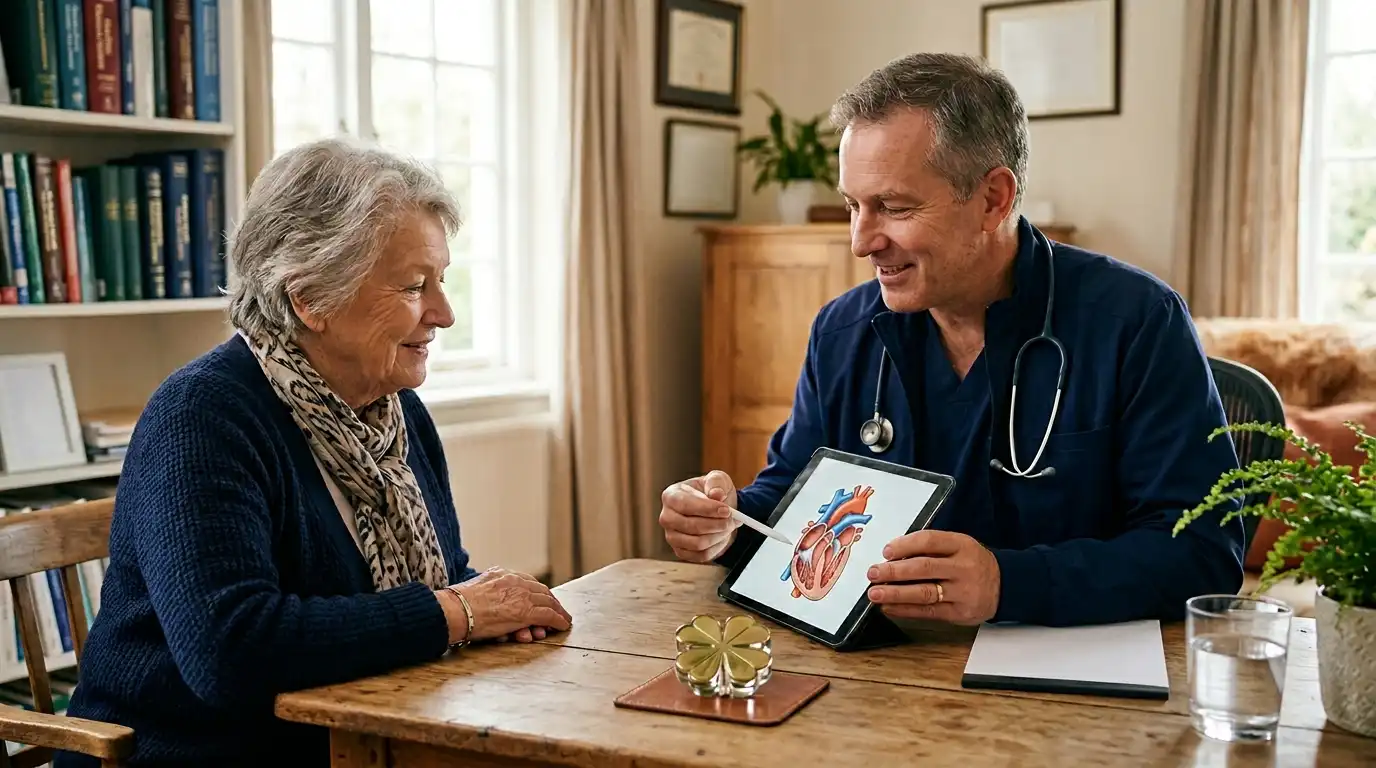
Recovery and Long-Term Outcomes
Cardiac Rehabilitation and Lasting Benefit

Recovery and Long-Term Outcomes

Recovery milestones:

  • Week 1-2: Rest; light household activity; no driving; incision care
  • Week 4: Most patients can drive; light walking programme
  • Week 6: Sternal stability usually complete; restrictions on heavy lifting lift
  • Week 8-12: Return to work (desk jobs); structured cardiac rehabilitation begins
  • Month 3-6: Full physical activity resumed; exercise stress testing

Cardiac rehabilitation: Structured exercise, dietary, psychological, and medication optimisation programme significantly improves outcomes. BB Global Health advises on cardiac rehabilitation resources in home country post-discharge from Turkey.

Long-term outcomes (CABG):

  • Symptom relief: >90% of patients are angina-free at 1 year
  • Survival: in appropriate indications (left main, triple vessel, diabetes), CABG provides survival benefit vs. medical therapy and stenting at 5-10 years
  • LIMA graft patency 10 years: 90-95%
  • SVG patency 10 years: 60-70%
  • Repeat revascularisation rate: 5-10% at 10 years

Medications after CABG:

  • Aspirin (for life) - maintains graft patency
  • Statin (for life) - slows progression of coronary disease
  • Beta-blocker (typically 6-12 months minimum; often long-term for LV dysfunction)
  • ACE inhibitor (for LV dysfunction or diabetes)
  • Blood glucose management (diabetic patients - tight control crucial for graft longevity)

Cost overview: All-inclusive CABG in Turkey: -15,000-25,000 (depending on number of bypasses, off-pump vs. on-pump, ICU duration). UK private sector equivalent: -40,000-80,000.

Senior Cardiac Surgeon - Full ICU Support

Your CABG Journey

Cardiac surgery requires meticulous pre-operative planning and robust post-operative support.

1

Send Cardiac Records

Share coronary angiogram report or images, echocardiogram, cardiac catheterisation report, and current medications.

2

Cardiac Surgeon Assessment

Our partner cardiac surgeon reviews your angiogram remotely and provides a detailed CABG recommendation with graft plan.

3

Pre-Op Workup

Arrival and hospital workup: echocardiogram, lung function, bloods. Cardiac surgery team meeting.

4

Surgery

4-6 hour CABG procedure; transfer to cardiac ICU. Extubation same day or morning after.

5

ICU and Ward Recovery

7-10 night hospital stay with progressive physiotherapy, breathing exercises, and cardiac monitoring.

6

Hotel Recovery and Departure

10-14 night hotel recovery before flight home. Remote follow-up care coordinated by BB Global Health.

Cardiac Surgery Excellence - 50-60% Cost Saving

Why Cardiac Surgery in Turkey?

Turkey has invested significantly in cardiovascular infrastructure over the past two decades.

Speak to Our Team
Senior Specialist Cardiac Surgeons

CABG performed by consultant cardiac surgeons with European or American subspecialty training and high-volume experience.

Full Cardiac ICU

Dedicated cardiac ICU with invasive monitoring, VAD capability, IABP, and 24/7 cardiac surgery cover.

Accredited Cardiac Surgery Centres

JCI-accredited and Ministry of Health certified hospitals with dedicated cardiac surgery theatres.

50-60% Below UK Private Costs

All-inclusive CABG from -15,000 vs. -40,000-80,000 in UK private sector.

Comprehensive Post-Op Support

Hotel recovery managed by BB Global Health before flight home; ongoing cardiac follow-up coordination.

BB Global Health Coordination

Medical record review, pre-trip investigation planning, hospital coordination, and post-discharge support - all managed for you.

Patient Questions

Frequently Asked Questions

Can't find what you're looking for? Our coordination team is available 7 days a week.

Ask Our Team

Uncomplicated CABG typically requires 7-10 nights in hospital, including 1-2 in cardiac ICU. After hospital discharge, we recommend 10-14 nights minimum hotel stay in Turkey before flying home - to allow sternal stability, wound healing, and cardiac readiness for air travel changes in pressure.

Age alone is not a contraindication. Operative risk is assessed using validated scoring systems (EuroSCORE II, STS score) which account for age alongside all other risk factors. Patients over 70 with isolated coronary disease and good ventricular function generally do very well. Your cardiac surgeon will provide a personalised risk assessment.

The number refers to how many coronary arteries are bypassed (2, 3, or 4 coronary targets receive new bypass conduits). More bypasses do not mean greater risk - operative risk is more dependent on heart function, urgency, and comorbidities than bypass number alone.

Yes - anticoagulation is managed pre-operatively. Warfarin is stopped 5 days before; direct oral anticoagulants (apixaban, rivaroxaban) 48-72 hours before. Bridging therapy with heparin may be used for high-risk conditions (mechanical heart valves, recent PE, AF with high stroke risk). Your medication list is reviewed during pre-operative assessment.

No routine return is required. Wound check, blood tests, and ECG are performed in your home country by your local cardiologist or GP. BB Global Health provides full discharge documentation. A remote follow-up consultation with the Turkish cardiac surgeon is arranged at 4-6 weeks. Most patients continue long-term follow-up with their local cardiologist.

Important Notice: BB Global Health is a medical travel coordination company. We facilitate access to internationally accredited hospitals and specialist physicians in Turkey. All medical decisions, diagnoses, and treatment plans are made solely by the treating physicians at our partner institutions. Information on this page is for general guidance only and does not constitute medical advice. Individual outcomes vary. Please consult your physician before making any healthcare decision.

World-Class Cardiac Surgery in Turkey

Share your coronary angiogram and cardiac reports for a remote assessment by our partner cardiac surgeon. All-inclusive CABG packages with full ICU support.

Book an Appointment

Why Choose Our Medical Tourism Services?

Expert medical partner network

JCI-accredited hospital partnerships

Comprehensive patient coordination

Multilingual support team

Free Online Consultation WhatsApp Support