
TURBT - Radical Cystectomy - BCG Therapy - Robotic Surgery - Tumour Board

Bladder Cancer Treatment in Turkey

Expert Uro-Oncology - Personalised Surgical Care

Bladder cancer is the most common malignancy of the urinary tract - the majority presenting as non-muscle-invasive bladder cancer (NMIBC) that is treatable with TURBT (transurethral resection) and surveillance, but requiring careful long-term monitoring. Muscle-invasive bladder cancer (MIBC) requires radical cystectomy (bladder removal) - one of the most complex urological procedures, which BB Global Health partner hospitals perform with robotic assistance. Treatment decisions are made by a multidisciplinary tumour board including urology, oncology, radiology, and pathology.

At a Glance

1-4 Hours Depending on Procedure Surgery
1-7 Nights Hospital
7-14 Days Hotel
2-6 Weeks Recovery
Discuss My Case
Accredited Hospitals
Multidisciplinary Tumour Board
Robotic Cystectomy Available
Advanced Pathology
Bladder Cancer - Types and Staging
Understanding the Stage Determines the Treatment

Bladder Cancer - Types and Staging

Bladder cancer staging is the critical determinant of treatment path - the distinction between non-muscle-invasive and muscle-invasive disease fundamentally changes management.

Cell types:

  • Urothelial (transitional cell) carcinoma: 90-95% of bladder cancers; arises from the urothelium lining the bladder
  • Squamous cell carcinoma: ~5%; associated with chronic irritation or schistosomiasis
  • Adenocarcinoma: rare; may be primary or secondary

Staging:

Stage Description Treatment Approach
Ta Non-invasive papillary: confined to urothelium TURBT + surveillance
Tis (CIS) Carcinoma-in-situ: flat high-grade TURBT + BCG intravesical therapy
T1 Into lamina propria (not yet muscle) TURBT - BCG; re-TURBT for high-risk
T2 Muscle-invasive Radical cystectomy - neoadjuvant chemo
T3-T4 Perivesical fat / adjacent organs Radical cystectomy - neo + adjuvant chemo
N+/M+ Lymph node or metastatic Systemic platinum-based chemotherapy - surgery

Diagnosis:

  • Haematuria (blood in urine) - the cardinal symptom; visible (macroscopic) or microscopic
  • Cystoscopy: direct visualisation of the bladder with biopsy
  • CT urogram: upper urinary tract and bladder staging
  • MRI pelvis (VIRADS score): determines depth of invasion
  • TURBT: both diagnostic and therapeutic for NMIBC
TURBT and Non-Muscle-Invasive Treatment
Resection, BCG, and Surveillance

TURBT and Non-Muscle-Invasive Treatment

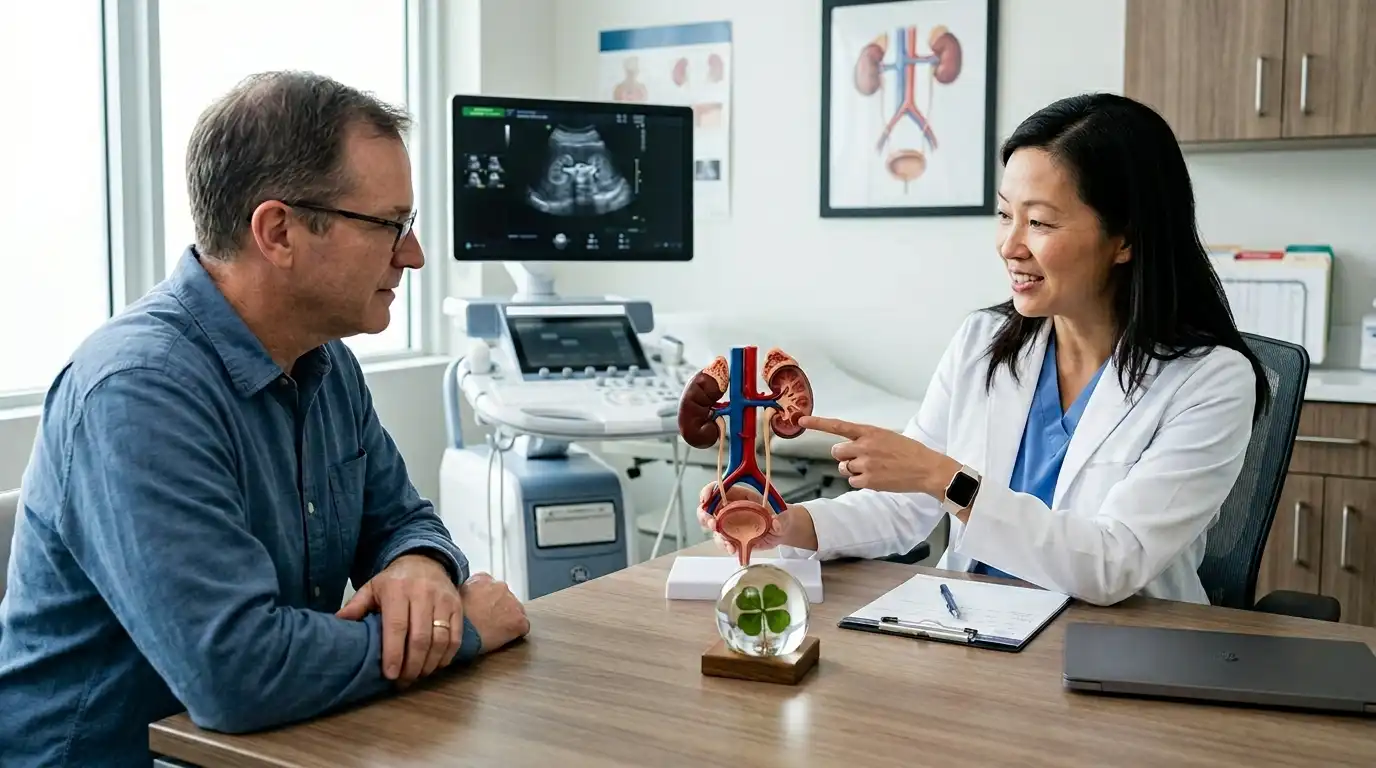
TURBT (Transurethral Resection of Bladder Tumour): The primary treatment for non-muscle-invasive bladder cancer. A resectoscope is passed through the urethra under spinal or general anaesthesia; the tumour is resected using an electric loop with sampling of the muscle layer to confirm invasion depth.

Procedure:

  • 1-2 hours depending on tumour number and size
  • 1-3 night hospital stay
  • Catheter in situ for 24-48 hours post-op
  • Post-TURBT immediate intravesical instillation of mitomycin C (reduces early recurrence)
  • Specimen sent for histopathological analysis and grade/stage confirmation

BCG (Bacillus Calmette-Gu-rin) intravesical therapy: For high-risk NMIBC (high-grade T1, CIS, multiple or recurrent tumours), BCG immunotherapy is instilled weekly into the bladder for 6 weeks (induction course), followed by maintenance courses.

BCG mechanism: BCG is an immune stimulator - causes localised immune activation in the bladder wall that eliminates residual tumour cells and prevents recurrence and progression.

Schedule: Induction 6 weekly instillations; then maintenance schedule - 3 years (EAU guidelines)

Surveillance: NMIBC has a high recurrence rate (50-80% at 5 years depending on risk group) - regular cystoscopy surveillance is mandatory:

  • High-risk: cystoscopy every 3 months for 2 years; every 6 months to year 5; then annually
  • Intermediate risk: every 3-6 months to year 1; then annually
  • Low risk: cystoscopy at 3 months and 12 months; then annually

BB Global Health can coordinate the TURBT in Turkey and then support ongoing surveillance cystoscopy planning (can be performed in home country with result sharing).
Radical Cystectomy for Muscle-Invasive Disease
Bladder Removal and Urinary Diversion

Radical Cystectomy for Muscle-Invasive Disease

Radical cystectomy removes the whole bladder along with pelvic lymph nodes and (in men) the prostate and seminal vesicles; in women the uterus, ovaries, and anterior vaginal wall are typically also removed. It is one of the most complex urological operations.

Surgical approaches:

  • Laparoscopic (keyhole): standard approach; 4-5 port incisions
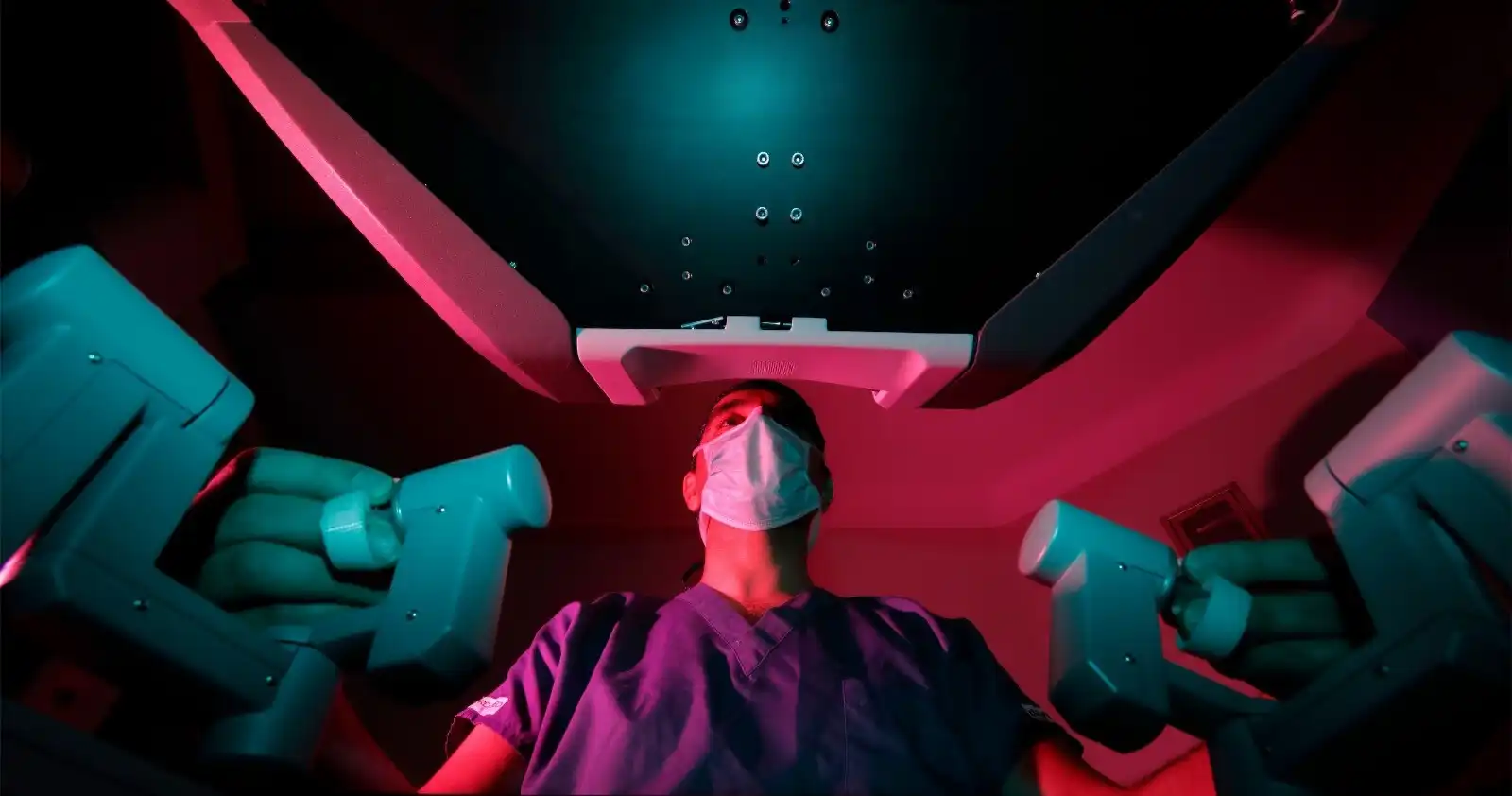
  • Robotic-assisted (da Vinci): enhanced precision; available at BB Global Health partner hospitals
  • Open: large midline abdominal incision; for complex or converted cases

Urinary diversion options: After cystectomy, a new way to pass urine must be created:

Diversion Type Description External Bag? Continent?
Ileal conduit Small bowel segment brought to skin; urostomy bag Yes No
Orthotopic neobladder Ileal pouch connected to urethra; patient voids normally No Mostly
Continent cutaneous pouch Internal reservoir with stoma; self-catheterise No Yes

Neobladder is preferred when technically feasible and patient is motivated - allows voiding without an external bag. Requires pelvic floor rehabilitation post-op.

Outcomes (radical cystectomy):

  • 5-year cancer-specific survival for pT2N0: 60-70%
  • pT3N0: 40-50%
  • Node-positive: 20-30% (chemotherapy significantly improves outcomes)
  • Robotic cystectomy achieves comparable oncological outcomes with lower blood loss and faster recovery

Recovery:

  • Hospital: 5-7 nights
  • Hotel: 10-14 days before flight home
  • Full recovery: 4-6 weeks
  • Follow-up: CT scan at 3 months, 6 months, and annually
Multidisciplinary Review - Personalised Surgical Plan

Your Bladder Cancer Treatment Journey

From tumour board review to post-operative surveillance - BB Global Health coordinates your entire journey.

1

Send Medical Records

Share CT report, pathology (if biopsied), cystoscopy findings, and blood results. Our uro-oncologist and tumour board review your case.

2

Treatment Plan from Tumour Board

Receive a complete personalised treatment recommendation covering staging, surgery type, diversion option (if cystectomy), and chemotherapy if indicated.

3

Pre-Op Assessment

Arrival in Istanbul; hospital admission; pre-op MRI/CT (if updated imaging needed); anaesthesia review.

4

Surgery

TURBT (Day 1, Day 2 departure) or radical cystectomy (Day 1 surgery, 5-7 night stay).

5

Post-Op Stay

7-14 day hotel stay for cystectomy patients; wound healing and urostomy nursing education as needed before travel.

6

Surveillance Coordination

Ongoing surveillance schedule coordinated by BB Global Health - cystoscopy and CT scan timings aligned with home country or Turkey follow-up visits.

Uro-Oncology Excellence - Accessible Cost

Why Bladder Cancer Treatment in Turkey?

Turkey's uro-oncology teams manage high volumes and offer the full range of treatments including robotic surgery.

Speak to Our Team
Multidisciplinary Tumour Board

Every case reviewed by a board of urology, oncology, radiology, and pathology specialists before treatment recommendation.

Robotic Cystectomy

da Vinci robotic radical cystectomy available - less blood loss, faster recovery, precise pelvic nerve preservation.

Accredited Hospital Infrastructure

ICU, interventional radiology, and oncology pharmacy - comprehensive infrastructure for complex surgical oncology.

Significant Cost Advantage

Radical cystectomy (all-inclusive) from -12,000 in Turkey vs. -30,000-50,000 in the UK private sector.

Advanced Pathology

Immunohistochemistry and molecular tumour profiling available for accurate staging and treatment personalisation.

Ongoing Surveillance Support

BB Global Health coordinates long-term surveillance schedule and supports return visits for cystoscopy follow-up.

Patient Questions

Frequently Asked Questions

Can't find what you're looking for? Our coordination team is available 7 days a week.

Ask Our Team

Superficial (non-muscle-invasive) bladder cancer is confined to the inner lining of the bladder and does not invade the muscle wall. It is treated with TURBT and managed with surveillance cystoscopy + BCG therapy for high-risk cases. Invasive bladder cancer has grown into the muscle wall - this requires radical cystectomy (bladder removal) as the standard treatment to achieve cure.

Not necessarily. If you are suitable for a neobladder (an internal bladder reconstruction from bowel), you can pass urine normally without an external bag. Neobladder suitability depends on tumour location, urethra health, and patient motivation for rehabilitation. Ileal conduit (urostomy) is simpler and remains the most common diversion. Your surgeon will discuss which is most appropriate for your specific case.

For muscle-invasive bladder cancer (T2+), cisplatin-based neoadjuvant chemotherapy (before surgery) is recommended for fit patients - it improves 5-year survival by approximately 8%. Not all patients are fit for cisplatin. The tumour board recommendation will specify whether chemotherapy is indicated, which regimen, and whether to give it before or after surgery.

Non-muscle-invasive bladder cancer has a 50-80% recurrence rate and a 10-30% progression rate (to muscle invasion) depending on risk stratification. This is why regular cystoscopy surveillance is mandatory for 5+ years. BCG therapy significantly reduces both recurrence and progression rates in high-risk cases.

Yes - BB Global Health facilitates second medical opinion services. Send your histology slides, CT and MRI reports, and cystoscopy findings for review by our partner uro-oncologist and tumour board. A written second opinion report is provided, with specific treatment recommendation.

Important Notice: BB Global Health is a medical travel coordination company. We facilitate access to internationally accredited hospitals and specialist physicians in Turkey. All medical decisions, diagnoses, and treatment plans are made solely by the treating physicians at our partner institutions. Information on this page is for general guidance only and does not constitute medical advice. Individual outcomes vary. Please consult your physician before making any healthcare decision.

Expert Bladder Cancer Assessment in Turkey

Contact BB Global Health with your pathology results, imaging reports, and cystoscopy findings for a comprehensive second opinion and personalised treatment plan from our uro-oncology tumour board.

Book an Appointment

Why Choose Our Medical Tourism Services?

Expert medical partner network

JCI-accredited hospital partnerships

Comprehensive patient coordination

Multilingual support team

Free Online Consultation WhatsApp Support