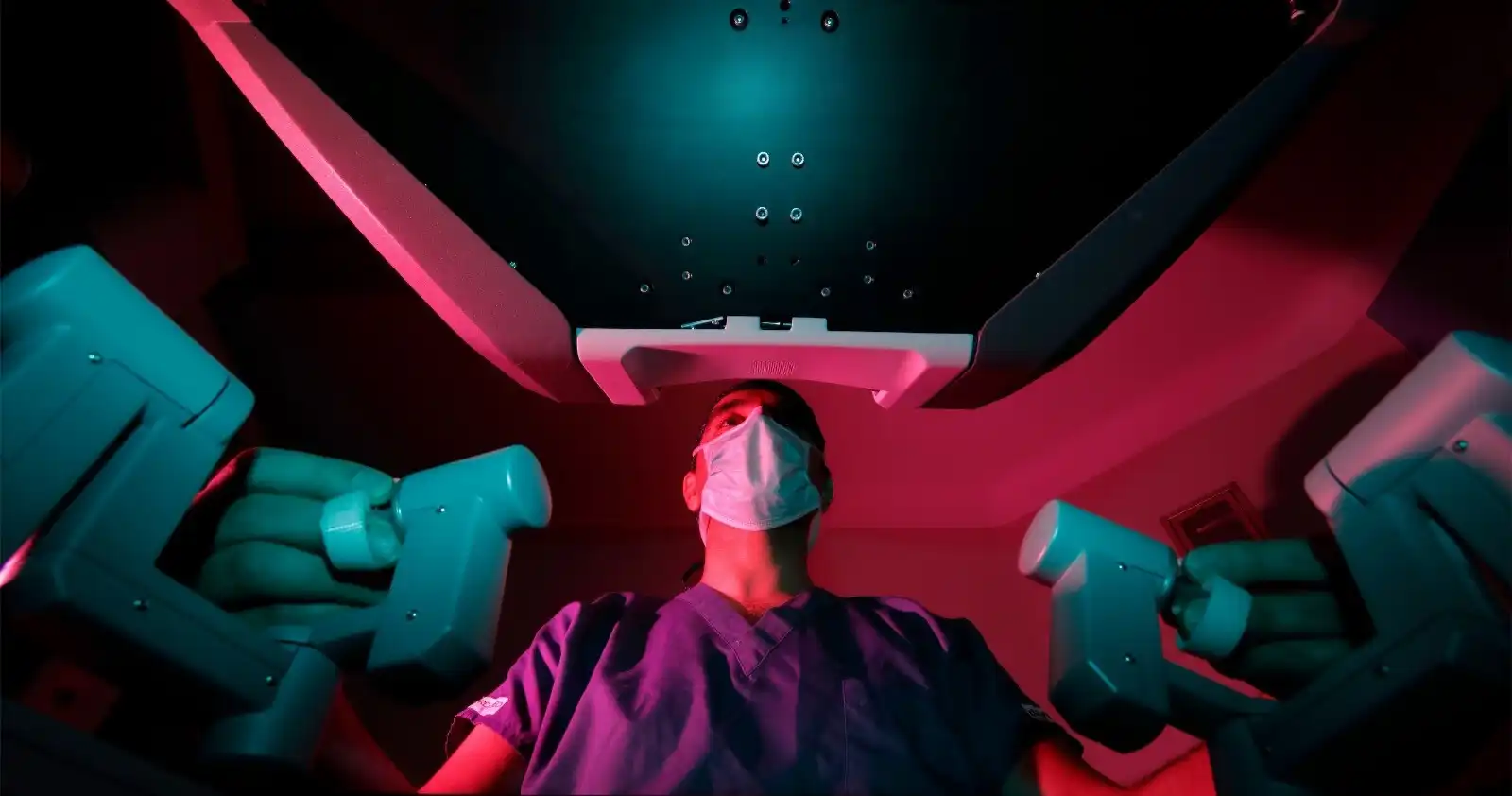
Robotic Prostatectomy - RARP - IMRT - Tumour Board - Active Surveillance

Prostate Cancer Treatment in Turkey

Robotic Prostatectomy - Precision Radiation - Active Surveillance

Prostate cancer is the most common solid tumour in men - with the majority presenting as localised or locally advanced disease amenable to curative intent treatment. The principal curative options are radical prostatectomy (surgical removal of the prostate) and external beam radiotherapy with or without brachytherapy. Active surveillance is appropriate for low-risk disease. BB Global Health partner hospitals offer robotic radical prostatectomy, IMRT/IGRT radiotherapy, and comprehensive uro-oncology multidisciplinary assessment.

At a Glance

2.5-4 Hours (Robotic Prostatectomy) Surgery
2-3 Nights Hospital
7-10 Days Hotel
4-6 Weeks Recovery
Discuss My Prostate Case
Accredited Partner Hospitals
Robotic Da Vinci Surgery
Uro-Oncology Tumour Board
All-Inclusive Package
Prostate Cancer - Understanding Your Diagnosis
Risk Stratification Determines the Treatment Path

Prostate Cancer - Understanding Your Diagnosis

Prostate cancer behaviour ranges from very indolent disease requiring no immediate treatment to aggressive tumours requiring multimodal therapy. PSA level, biopsy Gleason score (ISUP grade), and clinical stage together define the risk group.

Risk stratification (EAU/NCCN):

Risk Group PSA Gleason (ISUP) Clinical Stage Approach
Very low / Low <10 ?6 (Grade 1) T1-T2a Active surveillance; radical treatment if preferred
Intermediate 10-20 7 (Grade 2-3) T2b-T2c Radical prostatectomy OR radiotherapy - ADT
High >20 8-10 (Grade 4-5) T3a Surgery + adjuvant RT; or long-course RT + ADT
Very high / Locally advanced Any Any T3b-T4 Combined modality; ADT + RT - surgery
Metastatic Any Any N1 / M1 Androgen deprivation therapy - systemic agents

Diagnosis - modern multiparametric MRI: mpMRI of the prostate (PI-RADS scoring) before biopsy has become standard - allowing targeted biopsy of suspicious lesions rather than systematic random sampling. This significantly improves significant cancer detection while reducing overdiagnosis of insignificant disease. BB Global Health coordinates remote review of mpMRI and PSA for initial assessment.

Active surveillance: For low-risk prostate cancer, active surveillance avoids the side effects of radical treatment while monitoring closely for progression. Protocol: PSA every 3-6 months; repeat MRI and biopsy at defined intervals. Curative treatment initiated if progression detected. BB Global Health supports active surveillance patients who prefer treatment in Turkey when intervention becomes indicated.
Radical Prostatectomy - Open, Laparoscopic, and Robotic
Surgical Removal of the Prostate

Radical Prostatectomy - Open, Laparoscopic, and Robotic

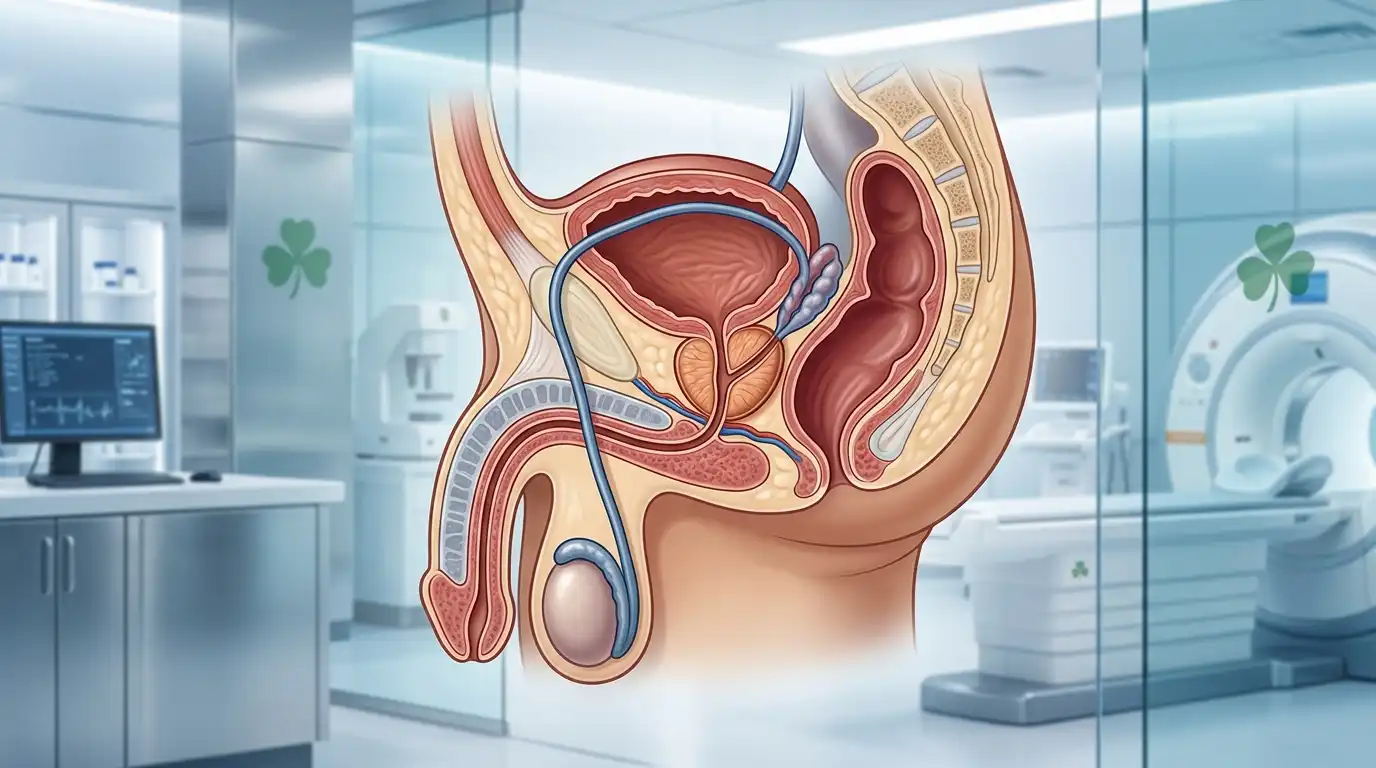
Radical prostatectomy (RP) removes the entire prostate gland along with the seminal vesicles and regional lymph nodes (for intermediate-high risk disease) and aims for negative surgical margins (cancer-free edges).

Approaches:

Open radical retropubic prostatectomy (RRP):

  • 15-20 cm lower abdominal incision; direct anatomical access
  • Less common now where robotic platforms are available
  • Suitable when robotic surgery is unavailable or for very large prostates

Laparoscopic radical prostatectomy:

  • 4-5 port keyhole approach; magnified 2D view
  • Lower blood loss than open; longer learning curve

Robot-assisted radical prostatectomy (RARP, da Vinci):

  • The current standard at high-volume centres worldwide
  • 4-5 robotic arms; 3D magnified HD view; tremor filtration; wristed instruments
  • Allows precise nerve-sparing (critical for erectile function preservation)
  • Lower blood loss; fewer transfusions; shorter catheter time; faster recovery than open
  • Available at BB Global Health partner hospitals (da Vinci Xi)

Nerve-sparing technique: The neurovascular bundles (NVBs) running along the posterolateral prostate govern erectile function. In patients with organ-confined disease and good pre-surgical erections, nerve-sparing RP preserves or partially preserves these nerves. Robotic precision enables safer nerve-sparing vs. open/laparoscopic approaches.

Outcomes (robot-assisted RP):

  • Negative surgical margins (organ-confined): 85-95%
  • 10-year biochemical recurrence-free survival (low-risk): 70-80%
  • Continence recovery -(no pad at 12 months): 85-95%
  • Erectile function recovery at 12 months (nerve-sparing, good pre-op function): 50-70%

Post-operative recovery:

  • Catheter in situ: 7-14 days
  • Hospital: 2-3 nights
  • Light work resumed: Week 3-4
  • Lifting and exercise: Week 6
  • PSA check at 6 weeks (should be undetectable < 0.1 ng/mL)
Radiotherapy and Hormone Therapy
Non-Surgical Curative Options

Radiotherapy and Hormone Therapy

For patients preferring radiotherapy, or for locally advanced disease, external beam radiotherapy (EBRT) with or without androgen deprivation therapy (ADT) is an equally effective curative alternative for localised/locally advanced prostate cancer.

IMRT/IGRT (Intensity-Modulated and Image-Guided Radiotherapy):

  • Precision conformal radiotherapy delivering high doses to the prostate and seminal vesicles while minimising dose to rectum and bladder
  • 20-28 fraction schedules (hypofractionation) deliver treatment in 4-6 weeks
  • Combined with ADT for intermediate-high risk disease (6 months-3 years ADT depending on risk)
  • Available at BB Global Health radiotherapy partner centres

HIFU (High-Intensity Focused Ultrasound):

  • Focal treatment option for localised low-to-intermediate risk disease
  • Ablates prostate tissue using focused ultrasound (focal or hemi-ablation)
  • Preserves surrounding structures; lower incontinence and erectile dysfunction risk than whole-gland therapy
  • Not yet considered standard - discuss with uro-oncologist for appropriateness

Androgen Deprivation Therapy (ADT):

  • For high-risk or metastatic disease; reduces testosterone to castrate levels
  • LHRH agonists (Zoladex/goserelin) or LHRH antagonists (Firmagon/degarelix)
  • Combined with docetaxel chemotherapy or next-generation antiandrogens (enzalutamide, abiraterone) for high-risk localised or metastatic disease

Follow-up after curative treatment:

  • PSA monitoring: every 3 months year 1, every 6 months year 2-5, annually thereafter
  • PSA nadir after radiation: typically 12-18 months to reach lowest level
  • PSA after RP: should be undetectable (< 0.1 ng/mL); persistently detectable or rising PSA = biochemical recurrence
Expert Uro-Oncology - Personalised Treatment Plan

Your Prostate Cancer Treatment Journey

From tumour board review to post-treatment surveillance - BB Global Health coordinates your journey.

1

Send Medical Records

Share PSA history, biopsy report, mpMRI, and CT/bone scan findings. Our uro-oncology tumour board reviews your case.

2

Tumour Board Treatment Recommendation

Receive a comprehensive treatment recommendation: active surveillance, RARP, radiotherapy, or multimodal - with detailed rationale.

3

Pre-Op Assessment

Arrival in Istanbul; hospital pre-op assessment; anaesthesia consultation.

4

Surgery or Radiotherapy

Robot-assisted radical prostatectomy (2-3 night stay) or IMRT radiotherapy course (multiple visits or extended stay).

5

Post-Op Recovery

7-10 day hotel stay after RARP. Catheter management and post-op care before flight home.

6

Biochemical Follow-Up

PSA monitoring coordinated with local GP; results reviewed remotely by BB Global Health uro-oncologist.

Robotic Surgery and Expert Oncology at Accessible Cost

Why Prostate Cancer Treatment in Turkey?

Turkey's uro-oncology teams operate high volumes with robotic platforms and multidisciplinary boards.

Speak to Our Team
Da Vinci Robotic Surgery

Robot-assisted radical prostatectomy with da Vinci Xi - nerve-sparing precision, reduced blood loss, faster recovery.

Multidisciplinary Tumour Board

Every prostate cancer case reviewed by urology, oncology, radiology, and pathology specialists before treatment.

Significant Cost Advantage

Robotic prostatectomy all-inclusive from -9,000-14,000 in Turkey vs. -25,000-45,000 in UK private sector.

Accredited Surgical Facilities

ICU, robotic suite, oncology pharmacy, and pathology laboratory - comprehensive infrastructure.

Advanced Pathology

Immunohistochemistry and molecular profiling for accurate Gleason grading and margin assessment.

BB Global Health Coordination

Long-term PSA follow-up coordination and support for any adjuvant treatment planning.

Patient Questions

Frequently Asked Questions

Can't find what you're looking for? Our coordination team is available 7 days a week.

Ask Our Team

Active surveillance monitors the cancer closely without immediate treatment - appropriate for very low or low-risk prostate cancer where the cancer is likely to grow very slowly and not pose an immediate threat. Radical treatment (prostatectomy or radiotherapy) aims to cure the cancer. The choice depends on risk group, age, health, and patient preference. Our tumour board provides a clear recommendation.

Continence recovery: 85-95% of men achieve pad-free continence by 12 months (leakage is common in the first few weeks as the urethra adjusts). Erectile function: depends on whether nerve-sparing surgery was possible and pre-operative erection quality. With nerve-sparing RARP in men with good pre-op erections: 50-70% recovery at 12 months with PDE5 inhibitors (sildenafil/tadalafil) as rehabilitation aids.

There is no single cut-off - the decision is based on risk stratification combining PSA, Gleason grade, and clinical stage. Low-risk disease (PSA <10, Gleason 6, cT1-T2a) can often be monitored with active surveillance. Intermediate and high-risk disease generally warrants treatment recommendation. The tumour board recommendation is personalised to your specific values.

For most localised prostate cancer, both radical prostatectomy and radiotherapy offer equivalent long-term cancer control. The choice depends on tumour characteristics, patient health, preference for invasive vs. non-invasive treatment, concern about specific side effects, and whether local expertise supports one approach more than the other. The tumour board discusses both options with rationale.

Pre-treatment staging includes CT chest/abdomen/pelvis (for lymph node and distant metastasis assessment) and bone scan (for bone metastases) in intermediate/high-risk patients. PSMA PET-CT, the most sensitive modern staging scan, is increasingly available at BB Global Health partner hospitals and detects recurrence and metastases at much lower PSA levels than conventional scans.

Important Notice: BB Global Health is a medical travel coordination company. We facilitate access to internationally accredited hospitals and specialist physicians in Turkey. All medical decisions, diagnoses, and treatment plans are made solely by the treating physicians at our partner institutions. Information on this page is for general guidance only and does not constitute medical advice. Individual outcomes vary. Please consult your physician before making any healthcare decision.

Expert Prostate Cancer Assessment in Turkey

Share your PSA history, biopsy Gleason report, and MRI findings for a comprehensive tumour board assessment and personalised treatment recommendation.

Book an Appointment

Why Choose Our Medical Tourism Services?

Expert medical partner network

JCI-accredited hospital partnerships

Comprehensive patient coordination

Multilingual support team

Free Online Consultation WhatsApp Support