
Laparoscopic - Robotic - Total - Subtotal - LAVH

Hysterectomy in Turkey

Laparoscopic - Robotic - Total - Subtotal

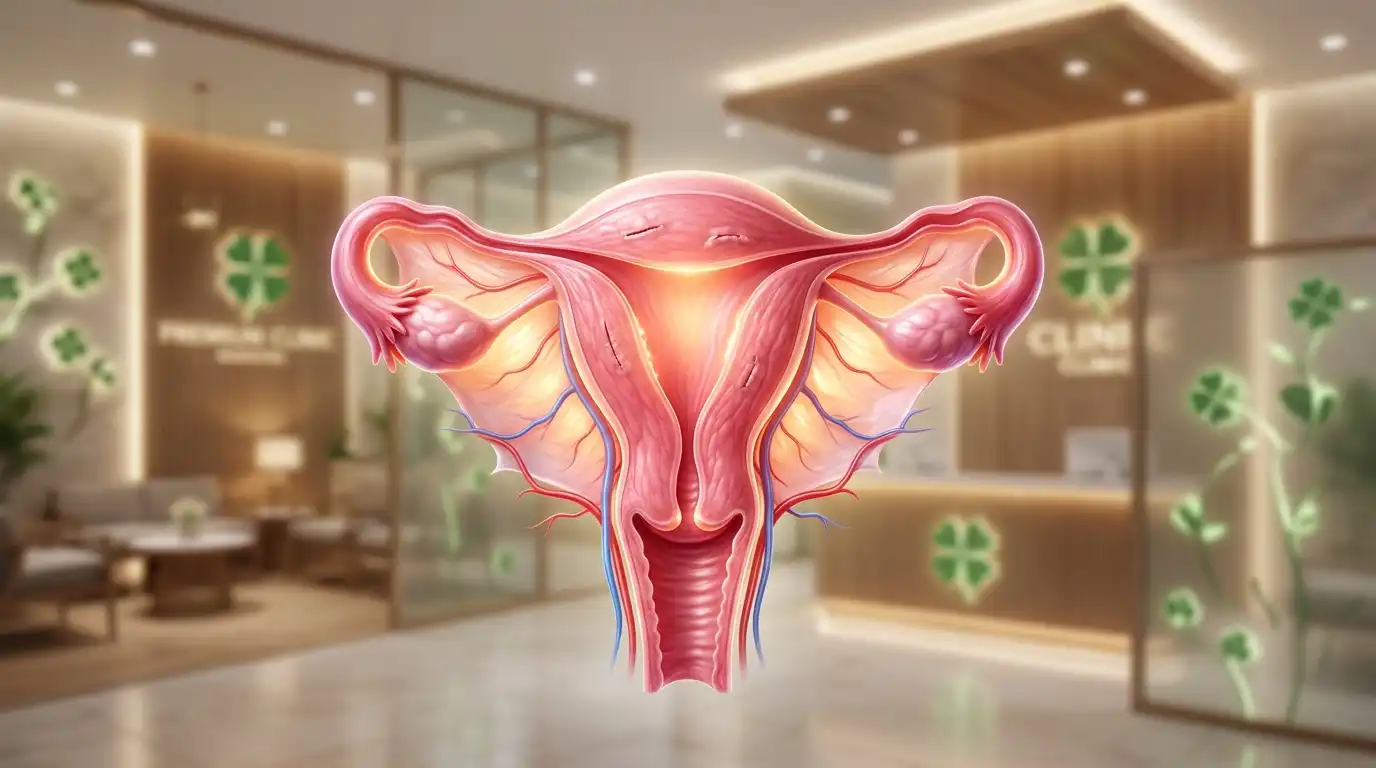
Hysterectomy - surgical removal of the uterus - is the treatment of choice for severe uterine fibroids, endometriosis, uterine prolapse, adenomyosis, and gynaecological malignancies when conservative options have been exhausted. Modern gynaecological surgery strongly favours minimally invasive approaches: total laparoscopic hysterectomy (TLH) and robotic-assisted hysterectomy produce equivalent clinical outcomes to open abdominal hysterectomy with dramatically reduced recovery times, hospital stay, and surgical trauma. BB Global Health partner hospitals have dedicated minimally invasive gynaecology units with experienced laparoscopic surgeons.

At a Glance

1-3 Hours Surgery
1-3 Nights Hospital
5-10 Days Hotel
2-6 Weeks Recovery
Discuss My Gynaecological Condition
Accredited Gynaecology Centres
Specialist Gynaecological Surgeons
Minimally Invasive Surgery
50-60% Below UK Private
Indications for Hysterectomy
When Is Uterine Removal the Best Option?

Indications for Hysterectomy

Hysterectomy is considered when:

  • Conservative treatments (medical therapy, endometrial ablation, UAE/fibroid embolisation, myomectomy) have failed or are not appropriate
  • The condition is significantly impairing quality of life
  • Malignancy is confirmed or highly suspected

Uterine fibroids (leiomyomata): The most common indication. Fibroids causing heavy menstrual bleeding, pelvic pain, pressure symptoms (bladder/bowel), or reproductive failure - especially multiple, large, or intramural fibroids not suitable for myomectomy. Hysterectomy is the definitive treatment and eliminates fibroid recurrence risk.

Endometriosis: Severe endometriosis with pain unresponsive to hormonal treatment and repeated conservative surgery - combined hysterectomy with bilateral salpingo-oophorectomy (BSO) for women who have completed their family and have ovarian endometriosis.

Adenomyosis: Diffuse or focal (adenomyoma) uterine glandular invasion of myometrium - causing severe dysmenorrhoea and heavy bleeding; hysterectomy is the only cure when medical therapy fails.

Uterine prolapse: Significant prolapse (Grade III-IV) causing pelvic floor dysfunction - vaginal hysterectomy - pelvic floor repair.

Abnormal uterine bleeding: Heavy menstrual bleeding uncontrolled by medical treatment or endometrial ablation.

Gynaecological malignancy: Endometrial cancer (most common), cervical cancer (early stage radical hysterectomy), ovarian cancer debulking - discussed under the cancer surgery section.

Surgical Approaches - Laparoscopic, Robotic, Vaginal
Minimally Invasive Is the Standard of Care

Surgical Approaches - Laparoscopic, Robotic, Vaginal

Total Laparoscopic Hysterectomy (TLH): The most common approach for benign gynaecological conditions:

  • 3-4 small (5-10 mm) port incisions; CO- pneumoperitoneum
  • Uterine vessels ligated laparoscopically; uterus detached and removed vaginally (morcellation within bag if safe) or via colpotomy
  • Hospital: 1-2 nights; return to light activity: 1-2 weeks vs. 4-6 weeks open

Robotic-Assisted Hysterectomy (da Vinci):

  • Superior instrument dexterity and 3D visualisation via the da Vinci system
  • Particularly valuable for: large uteri, significant pelvic adhesions, complex endometriosis, and morbidly obese patients where laparoscopic angles are difficult
  • Outcomes equivalent to standard laparoscopy; valuable in complex cases
  • Available at select BB Global Health partner hospitals

Laparoscopic-Assisted Vaginal Hysterectomy (LAVH): Combination approach - laparoscopic upper pedicle ligation; final dissection and uterus removal vaginally. Useful in selected cases.

Vaginal Hysterectomy: For uterovaginal prolapse - uterus removed entirely per vaginum; no abdominal incisions. Often combined with anterior and posterior colporrhaphy (pelvic floor repair) and vault suspension.

Open Abdominal Hysterectomy (TAH/Pfannenstiel):

  • Reserved for: very large uteri (>20 weeks size), known/suspected malignancy with staging requirement, or conversion from laparoscopic approach
  • Longer hospital stay (3-5 nights) and recovery (4-6 weeks)

Subtotal vs. total:

  • Total hysterectomy: Uterus and cervix both removed - standard approach; eliminates need for future cervical smears
  • Subtotal (cervix-sparing): Historically used; cervix preserved; requires ongoing cervical screening; rarely performed today
Recovery After Hysterectomy
Back to Normal Life Quickly

Recovery After Hysterectomy

Hospital stay:

  • Laparoscopic/robotic hysterectomy: 1-2 nights
  • Vaginal hysterectomy: 1-3 nights
  • Open (abdominal) hysterectomy: 3-5 nights

Post-operative course:

  • Day 0-1: Catheter removed next morning; walking same day; light diet
  • Day 1-2: Discharge home or to hotel; oral analgesics
  • Days 3-10 (hotel): Light activity; short walks; no driving; no heavy lifting
  • Weeks 2-6: Gradual return to normal activities; pelvic rest (no intercourse) for 6 weeks

Return to activities:

  • Light work/desk activities: 1-2 weeks (laparoscopic)
  • Driving: 2-3 weeks
  • Full activities: 4-6 weeks
  • Open surgery: 6 weeks for most activities

Hormonal considerations after hysterectomy:

  • If ovaries preserved (hysterectomy without oophorectomy): menstruation stops but menopause is not induced; ovaries continue hormonal function
  • If bilateral oophorectomy (BSO) performed: surgical menopause induced - HRT is recommended unless contraindicated, particularly for women under 50

VTE prevention: Low molecular weight heparin post-op and compression stockings. Flight-safe walking encouraged; flight no earlier than 7-10 days post-laparoscopic; 14 days post-open surgery.

Cost comparison: Laparoscopic hysterectomy Turkey all-inclusive: -5,500-9,000; UK private: -12,000-20,000. Robotic hysterectomy Turkey: -7,000-12,000; UK private: -15,000-28,000.

Laparoscopic Surgery - Rapid Recovery

Your Hysterectomy Journey

BB Global Health coordinates your hysterectomy from imaging review to hotel recovery.

1

Share Ultrasound and Records

Upload pelvic ultrasound, MRI if available, gynaecology letters, hormone tests, and symptom history.

2

Gynaecologist Assessment

Specialist gynaecological surgeon reviews imaging; confirms hysterectomy indication; recommends laparoscopic, robotic, or vaginal approach.

3

Arrive - Pre-Op Day

Hospital admission; blood tests; ECG; gynaecological examination; anaesthesia review.

4

Hysterectomy Surgery

Laparoscopic or robotic hysterectomy (1-3h) under general anaesthesia. Walking begins day 1.

5

Recovery and Hotel

1-3 nights hospital; 5-10 nights hotel recovery before flying.

6

Home Follow-Up Plan

Operative report, histology results coordination, HRT guidance (if applicable), and home GP letter provided.

Minimally Invasive Expertise - Half the Cost

Why Hysterectomy in Turkey?

Specialist laparoscopic and robotic gynaecology surgery at JCI-accredited hospitals.

Speak to Our Team
Minimally Invasive Standard

Total laparoscopic and robotic hysterectomy - minimal scarring, 1-2 night hospital stay, rapid recovery.

Specialist Gynaecological Surgeons

Fellowship-trained gynaecologists with high-volume minimally invasive surgery experience.

50-60% Cost Saving

Laparoscopic hysterectomy from -5,500 in Turkey vs. -12,000-20,000 UK private.

Accredited Gynaecology Centres

JCI-accredited hospitals with dedicated minimally invasive gynaecology units.

No Waiting Lists

Surgery typically within 1 week of enquiry - no 6-18 month NHS waits.

BB Global Health Coordination

Histology results, HRT guidance, home GP letter, and hotel recovery all arranged by our team.

Patient Questions

Frequently Asked Questions

Can't find what you're looking for? Our coordination team is available 7 days a week.

Ask Our Team

Hysterectomy alone (uterus removed, ovaries kept) stops menstruation but does NOT trigger menopause - the ovaries continue producing hormones until their natural lifespan. If bilateral oophorectomy (BSO) is performed at the same time, surgical menopause occurs immediately - HRT is recommended in women under 50 to protect bone density and cardiovascular health.

Yes - uterine artery embolisation (UAE) can effectively shrink fibroids without surgery. Myomectomy (fibroid removal preserving the uterus) is the choice for women wishing to preserve fertility. Endometrial ablation treats heavy bleeding but not fibroids directly. When these approaches have failed or are not appropriate, or when the patient no longer wishes to retain the uterus, hysterectomy is the definitive solution.

Desk/light work: 1-2 weeks after laparoscopic hysterectomy. Pelvic rest (no penetrative intercourse, no tampons) for 6 weeks minimum to allow vault healing. Swimming: after 6 weeks. Heavy manual work: 6 weeks. After vaginal vault has healed at 6 weeks, full sexual activity can resume.

If unexpected endometrial pathology is suspected, frozen section analysis may be performed in theatre. The surgical plan (extent of surgery) is adjusted accordingly. BB Global Health partner hospitals have intraoperative pathology capability and oncology tumour board support for any unexpected malignancy findings.

The ovaries are assessed and retained or removed based on clinical indication. For benign conditions (fibroids, adenomyosis) in pre-menopausal women, ovarian conservation is standard practice - avoiding surgical menopause. BSO is performed when there is bilateral ovarian endometriosis, ovarian cysts suspicious for malignancy, or at patient request in post-menopausal women.

Important Notice: BB Global Health is a medical travel coordination company. We facilitate access to internationally accredited hospitals and specialist physicians in Turkey. All medical decisions, diagnoses, and treatment plans are made solely by the treating physicians at our partner institutions. Information on this page is for general guidance only and does not constitute medical advice. Individual outcomes vary. Please consult your physician before making any healthcare decision.

Expert Gynaecological Surgery in Turkey

Share your pelvic ultrasound and gynaecology history for a free specialist assessment. Laparoscopic and robotic hysterectomy with rapid recovery.

Book an Appointment

Why Choose Our Medical Tourism Services?

Expert medical partner network

JCI-accredited hospital partnerships

Comprehensive patient coordination

Multilingual support team

Free Online Consultation WhatsApp Support