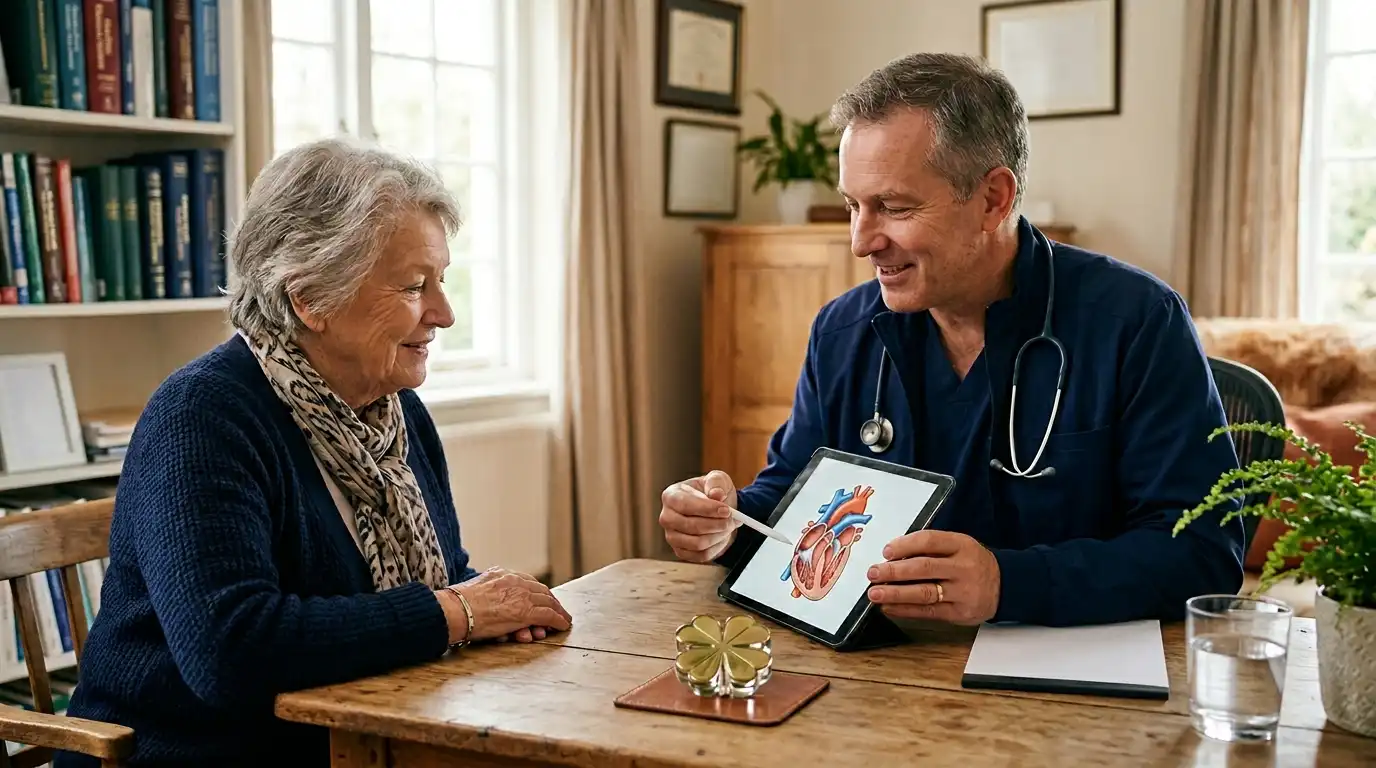
SAVR - TAVI - Mitral Repair - Mechanical - Biological Prostheses

Heart Valve Repair & Replacement in Turkey

Surgical and Transcatheter Valve Solutions

Heart valve disease - whether stenosis (narrowing) or regurgitation (leakage) of the aortic, mitral, tricuspid, or pulmonary valves - can progress to heart failure, arrhythmia, and sudden death if untreated. Modern valve surgery has two major tracks: surgical valve repair or replacement (SAVR) via open heart surgery, and transcatheter approaches (TAVI for aortic valve, MitraClip for mitral) through catheters without open surgery. BB Global Health partner hospitals offer both surgical and transcatheter valve procedures with full cardiac surgical and catheterisation laboratory support.

At a Glance

2-5 Hours Surgery
5-10 Nights Hospital
10-14 Days Hotel
4-8 Weeks Recovery
Discuss My Valve Condition
Accredited Cardiac Surgery Centres
Heart Team Multidisciplinary Approach
Full Cardiac ICU
All-Inclusive Packages
Understanding Heart Valve Disease
Stenosis, Regurgitation, and the Right Treatment

Understanding Heart Valve Disease

Heart valves can fail in two fundamental ways - stenosis (the valve doesn’t open enough, restricting forward flow) or regurgitation (the valve doesn’t close properly, allowing backward flow). Each valve problem and severity level has a defined treatment threshold guided by current ESC and ACC/AHA guidelines.

Aortic valve stenosis: The most common valve condition in adults over 65 - progressive calcification stiffens the aortic valve leaflets. Severe AS (aortic valve area <1.0 cm-, mean gradient >40 mmHg) is a Class I indication for valve replacement when symptomatic (angina, syncope, or heart failure).

Treatment options:

  • TAVI (Transcatheter Aortic Valve Implantation): Via femoral artery catheter; new valve delivered within the diseased valve; no open surgery; preferred for older/higher-risk patients
  • SAVR (Surgical Aortic Valve Replacement): Open heart surgery; preferred for younger patients (mechanical valve longevity) or when anatomy is not suitable for TAVI

Aortic valve regurgitation: Leaky aortic valve - causes volume overload of the left ventricle. Repair is occasionally possible; replacement (biological or mechanical) is the primary surgical option.

Mitral valve stenosis: Predominantly caused by rheumatic heart disease. Percutaneous mitral balloon valvuloplasty (PMBV) is the preferred approach for pliable, non-calcified valves; surgical commissurotomy or replacement for complex cases.

Mitral valve regurgitation:

  • Degenerative (Barlow’s, Fibroelastic deficiency): Repair is the gold standard - repair rate >95% achievable at high-volume centres; avoids anticoagulation and provides superior long-term LV function preservation
  • Functional: Annuloplasty ring; MitraClip (transcatheter) for high-surgical-risk patients
  • Mitral repair vs. replacement is a key decision - our cardiac team has strong mitral repair expertise

Prosthesis choice (for replacement):

  • Mechanical valve: Lifelong anticoagulation (warfarin) required; valve itself lasts a lifetime; preferred in younger patients (<60-65) where durability outweighs anticoagulation inconvenience
  • Biological (tissue) valve: No long-term anticoagulation needed; starts to deteriorate at 10-20 years; preferred in older patients (>65) or those unable to tolerate anticoagulation

Surgical vs. Transcatheter Valve Procedures
Heart Team Decision-Making

Surgical vs. Transcatheter Valve Procedures

The decision between surgical and transcatheter approaches is made by a Heart Team - cardiac surgeon, interventional cardiologist, cardiac anaesthetist, and imaging specialist - reviewing each case together.

SAVR (Surgical Aortic Valve Replacement):

  • Median sternotomy; cardiopulmonary bypass; aortic valve excised and replaced
  • Mechanical or biological prosthesis sewn into the native annulus
  • Highly durable repair; ability to address concomitant coronary disease simultaneously (if CABG also needed)
  • Hospital: 7-10 days; recovery 6-8 weeks

TAVI (Transcatheter Aortic Valve Implantation):

  • Catheter-based; valve delivered via femoral artery (most common) or transapical (through the LV apex) route
  • Self-expanding (Medtronic Evolut) or balloon-expandable (Edwards SAPIEN) systems
  • No open-chest surgery; typically conscious sedation or light GA
  • Hospital: 3-5 days; recovery 2-3 weeks
  • Now approved for intermediate and low surgical risk in addition to high risk
  • Available at BB Global Health partner hospitals with full cath lab infrastructure

Minimally Invasive Cardiac Surgery (MICS): For valve surgery, minimally invasive approaches are available at select centres:

  • Right mini-thoracotomy (5 cm incision in the right chest): for mitral and aortic valve surgery without full sternotomy
  • Robotically-assisted valve surgery (limited centres)
  • Advantages: less pain, faster recovery, better cosmesis, equivalent outcomes in experienced hands

MitraClip: Transcatheter mitral valve repair using an edge-to-edge clip - for high-risk surgical patients with severe mitral regurgitation. Delivered via transseptal catheter approach. Available at partner interventional cardiology centres.
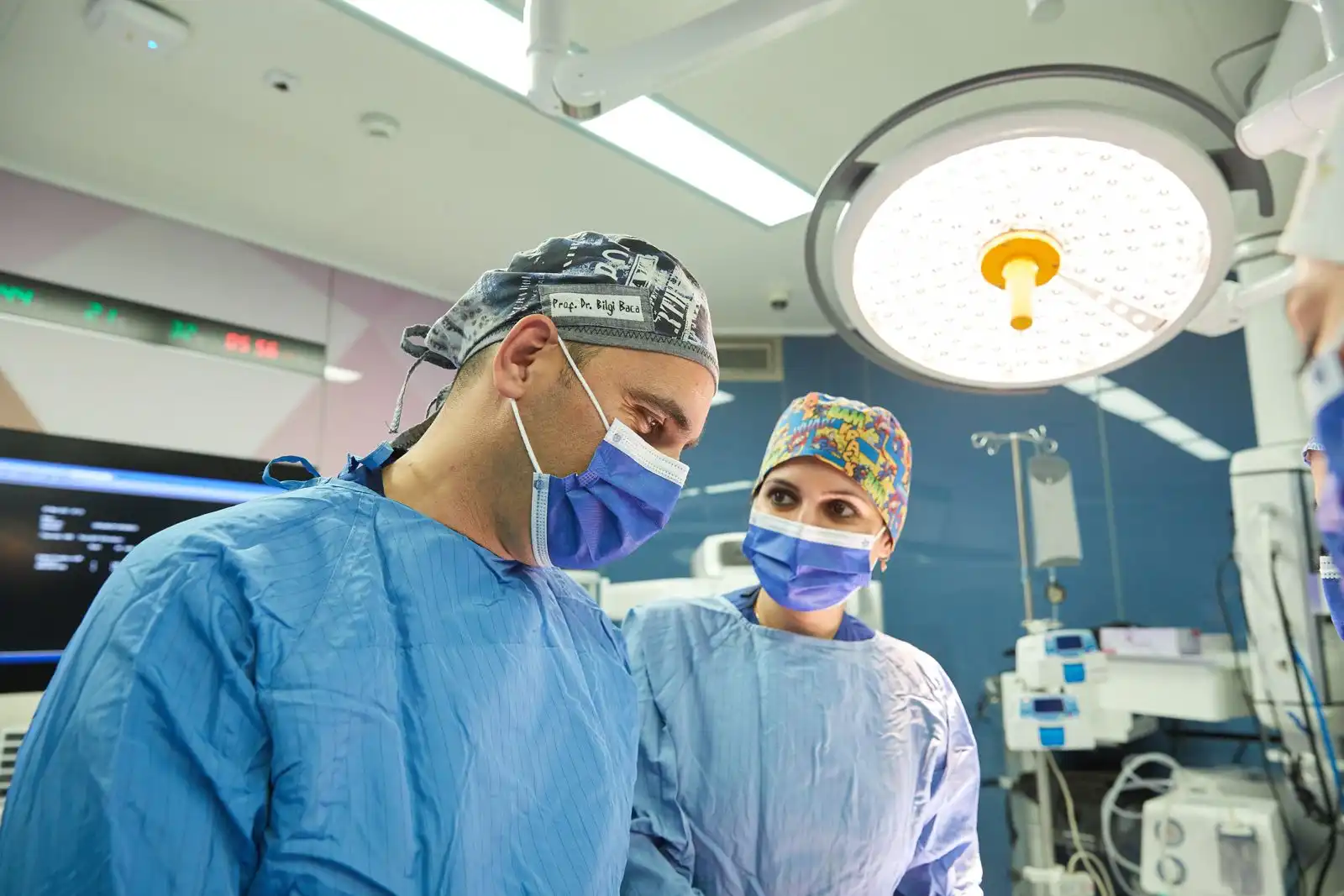
Recovery and Long-Term Care
From ICU to Heart Rehabilitation

Recovery and Long-Term Care

Hospital course (SAVR):

  • Day 0: Cardiac ICU; ventilator removed within 8-12 hours
  • Day 2-4: Transfer to cardiac ward; physiotherapy programme starts
  • Day 5-7: Sternal wound healing assessment; anticoagulation initiated (mechanical valve - INR target 2.5-3.5)
  • Day 7-10: Discharge to hotel for final recovery before flight home

Anticoagulation (mechanical valve):

  • Warfarin initiated after mechanical valve replacement with INR monitoring
  • Target INR depends on valve position and patient risk factors: aortic mechanical valve INR 2.0-3.0; mitral mechanical valve 2.5-3.5
  • INR monitoring arranged with local GP or anticoagulant clinic in home country
  • BB Global Health provides full anticoagulation protocol and target INR documentation for seamless transition to home anticoagulation management

Biological valve patient:

  • Aspirin only for 3-6 months post-op; no long-term anticoagulation needed
  • Annual echocardiogram monitoring

Long-term outcomes:

  • SAVR for severe AS: 10-year survival comparable to age-matched population when treated before significant LV dysfunction
  • Mitral valve repair durability: 90% of repairs remain free of re-operation at 15 years at high-volume centres
  • TAVI at 5 years: comparable to SAVR for all-cause mortality and stroke

Cost overview: SAVR all-inclusive Turkey: -15,000-25,000; TAVI Turkey: -20,000-30,000 (implant cost is significant). UK private: -35,000-65,000 (SAVR); -50,000-90,000 (TAVI).

Heart Team Expertise - Comprehensive Support

Your Valve Surgery Journey

Valve surgery requires careful pre-operative planning by a dedicated Heart Team.

1

Share Cardiac Records

Share echocardiogram report, CT scan (if available for TAVI planning), coronary angiogram, and current medications for remote cardiac review.

2

Heart Team Assessment

Receive a Heart Team recommendation: TAVI vs. SAVR vs. mitral repair, prosthesis type, and risk stratification.

3

Pre-Op Assessment in Hospital

CT TAVI planning scan (for TAVI cases), echocardiogram, coronary angiogram (if not recent), anaesthesia review.

4

Valve Procedure

SAVR (2-5 hours open) or TAVI (catheter, 1-2 hours). Cardiac ICU then ward.

5

Hospital and Hotel Recovery

7-10 nights hospital; 10-14 nights hotel recovery before flying home.

6

Anticoagulation and Follow-Up

Full anticoagulation management documentation provided; remote follow-up by BB Global Health with home country cardiologist handover.

Heart Team Experience - Major Cost Advantage

Why Valve Surgery in Turkey?

Turkey's cardiac surgery centres have invested in TAVI, robotic, and minimally invasive platforms.

Speak to Our Team
Multidisciplinary Heart Team

Cardiac surgeon + interventional cardiologist joint assessment - European Heart Team model.

Full Range of Options

SAVR, TAVI, minimally invasive valve surgery, MitraClip, combined CABG + valve - full capability at partner hospitals.

50-60% Cost Saving

All-inclusive SAVR from -15,000 in Turkey vs. -35,000-65,000 in UK private.

Full Cardiac ICU

Dedicated cardiac ICU with invasive monitoring, IABP, and 24/7 cardiac surgery cover.

Accredited Hospitals

JCI-accredited centres with cardiac surgery programmes and documented outcomes.

BB Global Health End-to-End Care

Medical record review, trip planning, anticoagulation documentation, and home cardiologist handover coordinated by BB Global Health.

Patient Questions

Frequently Asked Questions

Can't find what you're looking for? Our coordination team is available 7 days a week.

Ask Our Team

TAVI is now approved for all surgical risk categories including low risk. The Heart Team assessment determines the most appropriate approach based on: patient age and life expectancy, anatomy (CT of the aortic annulus and access vessels), surgical risk score (EuroSCORE II, STS), concomitant heart conditions (coronary disease, other valve disease), and patient preference. Many patients over 70 are excellent TAVI candidates; younger patients with longer life expectancy still typically benefit more from surgical valve solutions.

Mechanical valves require lifelong anticoagulation with warfarin. Biological (tissue) valves typically require only 3-6 months of antiplatelet therapy (aspirin) - no long-term warfarin. TAVI patients take dual antiplatelet therapy for 3-6 months then aspirin alone. The anticoagulation plan is provided in full with your discharge documentation.

Yes - combined CABG and valve surgery is routinely performed in a single operation. This is often the case for patients with aortic stenosis and coronary disease, or mitral regurgitation and coronary disease. The combined operation takes 4-7 hours but avoids two separate open-heart procedures.

Mechanical valves: 30-40+ years (essentially permanent, but require lifelong anticoagulation). Biological (tissue) valves: typically 10-20 years before structural deterioration requires re-intervention. In older patients, a biological valve change at age 65 may last the rest of their life. In younger patients (under 55), mechanical valves are usually preferred for longevity.

Yes - patients with prosthetic heart valves require antibiotic prophylaxis before certain dental procedures (tooth extraction, scaling, oral surgery) to prevent infective endocarditis. BB Global Health provides a European Society of Cardiology endocarditis prophylaxis card and documentation after discharge.

Important Notice: BB Global Health is a medical travel coordination company. We facilitate access to internationally accredited hospitals and specialist physicians in Turkey. All medical decisions, diagnoses, and treatment plans are made solely by the treating physicians at our partner institutions. Information on this page is for general guidance only and does not constitute medical advice. Individual outcomes vary. Please consult your physician before making any healthcare decision.

Expert Heart Valve Care in Turkey

Share your echocardiogram and cardiac reports for a free Heart Team assessment. Surgical and transcatheter valve solutions available with full ICU support and all-inclusive packages.

Book an Appointment

Why Choose Our Medical Tourism Services?

Expert medical partner network

JCI-accredited hospital partnerships

Comprehensive patient coordination

Multilingual support team

Free Online Consultation WhatsApp Support