Blastocyst Culture - PGT-A - Timelapse - Vitrification - 40-60% Savings

IVF Treatment in Turkey

In Vitro Fertilisation - Blastocyst Culture - PGT-A Genetic Screening

IVF in Turkey combines world-class embryology, specialist reproductive endocrinologists, and state-of-the-art fertility laboratories - at 40-60% less than UK private IVF costs. BB Global Health partner fertility clinics are equipped with advanced time-lapse embryo monitoring (Timelapse incubators), next-generation sequencing PGT-A, vitrification cryopreservation, and personalised stimulation protocols - giving international patients access to the same laboratory technology used at leading London fertility clinics.

At a Glance

10-14 Day Cycle Surgery
Day Case Hospital
14-18 Days Hotel
2-3 Days Post-Transfer Recovery
Discuss My IVF Journey
Accredited Fertility Clinics
Advanced Embryology Laboratory
PGT-A Genetic Screening Available
40-60% Below UK Costs
The IVF Process
From Ovarian Stimulation to Embryo Transfer

The IVF Process

IVF involves controlled ovarian stimulation to produce multiple oocytes (eggs), laboratory fertilisation, embryo culture to blastocyst stage, and transfer of the highest quality embryo into the uterus.

Step 1 - Initial investigation and protocol planning:

  • Baseline bloods: AMH (ovarian reserve), FSH/LH/E2 (Day 2-3), TSH, prolactin, full blood count, infectious disease screening
  • Antral follicle count (AFC) by transvaginal ultrasound
  • Semen analysis: concentration, motility, morphology (Kruger strict criteria); DNA fragmentation (SDF) if indicated
  • Fertility specialist consultation: diagnosis, stimulation protocol selection, realistic outcome discussion

Step 2 - Ovarian stimulation (Days 1-12 approximately):

  • Gonadotrophin injections (FSH/LH) - recombinant or urinary; self-administered subcutaneously
  • Protocol tailored to ovarian reserve: low-AMH patients use gentle minimal stimulation or mini-IVF; high-responders use antagonist protocols to reduce OHSS risk
  • Monitoring: serial transvaginal ultrasound and serum E2 every 2-3 days to assess follicular development
  • Trigger injection (hCG or GnRH agonist) when follicles reach 17-18 mm

Step 3 - Oocyte retrieval (Egg Collection):

  • Trans-vaginal ultrasound-guided follicle aspiration under IV sedation or general anaesthesia - typically 15-30 minutes
  • Day case: 2-4 hours total; discharge same day
  • Oocytes graded by embryologist in the laboratory immediately

Step 4 - Fertilisation:

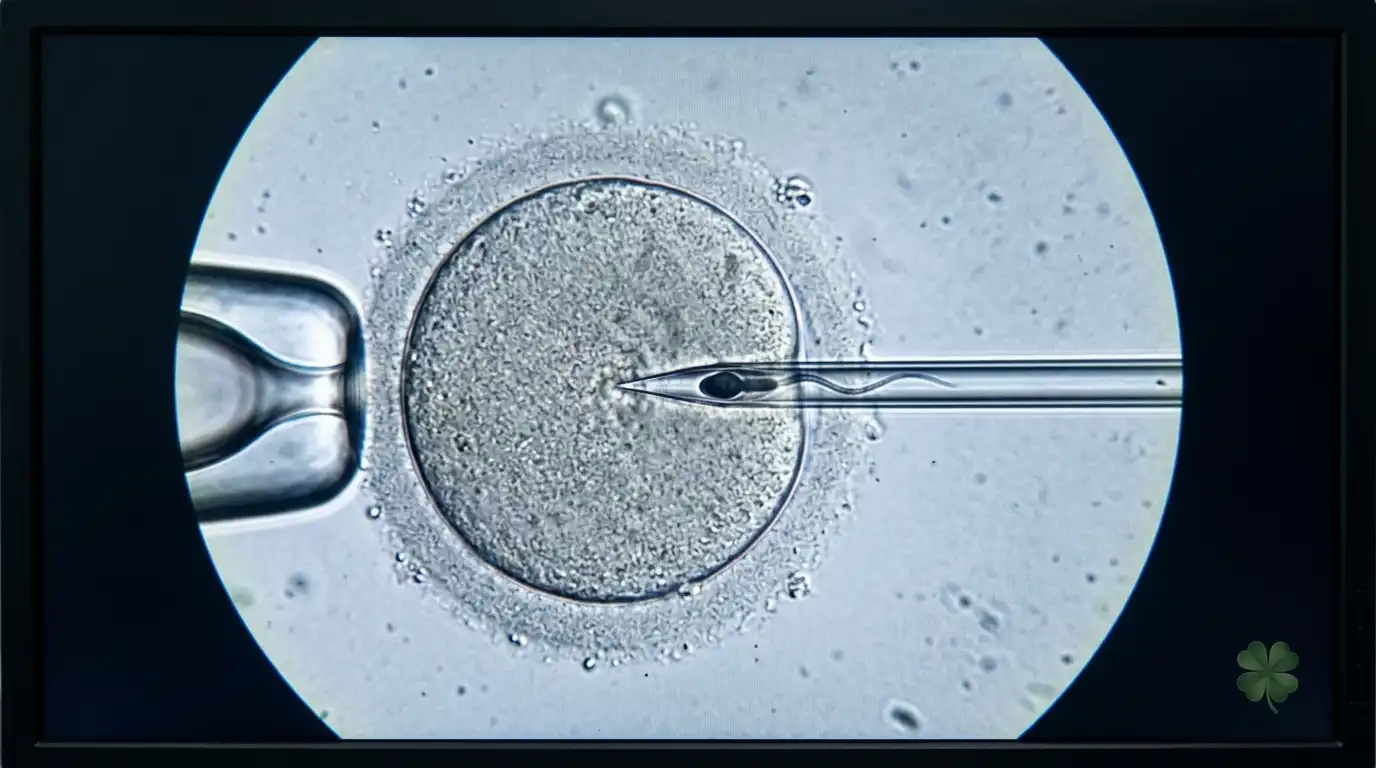
  • Standard IVF (sperm placed with oocyte in culture) or ICSI (intracytoplasmic sperm injection) for male factor or poor previous fertilisation
  • Fertilisation confirmed at 16-18 hours (2 pronuclei = zygote)

Step 5 - Embryo culture (Days 1-5/6):

  • Embryos cultured in individual time-lapse incubators (EmbryoScope) - continuous monitoring without disturbance
  • Cleavage stage (Day 3) or blastocyst stage (Day 5/6) assessment
  • Blastocyst culture preferred: higher implantation rates; allows PGT-A biopsy; better selection
  • Blastocyst morphology grading: ICM grade A/B/C + TE grade A/B/C (Gardner grading)

Step 6 - PGT-A (optional, recommended for age >37 or recurrent failure):

  • Trophectoderm biopsy of 5-8 cells from blastocyst - NGS analysis
  • Identifies euploid (chromosomally normal) embryos - single euploid embryo transfer (SET) - significantly reduced miscarriage rates (from ~25% to ~5% per transfer)
  • Results in 7-10 days; embryos vitrified while awaiting results

Step 7 - Embryo transfer:

  • Fresh transfer: Day 3 (cleavage) or Day 5 (blastocyst) - same stimulation cycle
  • Frozen embryo transfer (FET): cryopreserved embryo thawed and transferred in a prepared cycle - equal or higher success rates vs. fresh for most patients
  • Ultrasound-guided transfer under mild sedation; 5-minute procedure; bed rest 15-30 minutes
  • Luteal support: progesterone pessaries/injections - oestrogen until 12 weeks if positive

Step 8 - Pregnancy test:

  • Blood beta-hCG: 10-14 days post-transfer
  • Positive: confirmatory scan at 6-7 weeks; handover to obstetric care

Success Rates and Laboratory Technology
What to Expect from IVF in Turkey

Success Rates and Laboratory Technology

Realistic success rates per embryo transfer:

Age Group Blastocyst SET (own eggs) With PGT-A (euploid SET)
Under 35 45-55% 60-70%
35-37 35-45% 55-65%
38-40 25-35% 50-60%
41-42 15-25% 45-55%
43+ 10-18% 40-50% (with donor egg if euploid unavailable)

Success rates are per embryo transfer (not per cycle started) with blastocyst graded ?BB by Gardner criteria. Clinic-specific SART-equivalent data provided on request.

Laboratory technology at partner clinics:

  • EmbryoScope+ (Timelapse incubation): Continuous non-invasive embryo monitoring - time-lapse photography every 5 minutes documents cell division patterns; AI-assisted embryo selection algorithms
  • Vitrification cryopreservation: Ultra-rapid freezing - survival rates >98% vs. 60-70% with slow-freeze; all surplus blastocysts vitrified
  • Next-generation sequencing (NGS) PGT-A: 24-chromosome analysis - identifies all aneuploidies (both numerical and structural)
  • ERA (Endometrial Receptivity Analysis): Gene expression test for personalised window of implantation - recommended for recurrent implantation failure (?3 failed transfers)
  • IMSI (Intracytoplasmic Morphologically Selected Sperm Injection): High-magnification sperm selection (6,600- vs 400- standard ICSI) for severe male factor

Who is IVF most suitable for:

  • Bilateral tubal occlusion or tubal damage
  • Severe male factor infertility (combined with ICSI)
  • Advanced reproductive age (?37 years)
  • Unexplained infertility unresponsive to IUI
  • Ovulatory dysfunction (PCOS) not responding to oral induction
  • Same-sex female couples
  • Single women using donor sperm
IVF Costs in Turkey
All-Inclusive Transparent Pricing

IVF Costs in Turkey

Base IVF package (own eggs + own sperm): -2,500-4,500 per cycle - typically includes stimulation monitoring (ultrasounds + bloods), egg collection, standard fertilisation, embryo culture to blastocyst, fresh or frozen transfer, luteal support, and UK/EU patient coordination.

Optional additions (priced separately):

  • ICSI: +-400-600
  • PGT-A (per blastocyst biopsied): +-200-400 per embryo; minimum panel fees apply
  • ERA test: +-600-900
  • Vitrification (embryo freezing): +-500
  • FET (frozen transfer) cycle: +-800-1,200 (not including medications)

Comparison with UK:

Procedure Turkey UK Private
IVF with ICSI (own eggs) -2,500-4,500 -5,000-8,000
IVF + PGT-A -4,000-7,000 -8,000-15,000
Egg donation IVF -5,000-9,000 -12,000-20,000
Frozen embryo transfer -800-1,200 -2,000-3,500

Medications are not included in the above - gonadotrophin medications cost approximately -500-1,200 in Turkey (vs. -1,500-3,000+ in the UK).

What the package covers: All clinical fees, embryology laboratory, ultrasound monitoring, egg collection procedure, anaesthesia, embryo culture, transfer - and BB Global Health coordination including airport transfers, hotel recommendations, interpreter service, and home clinic handover documentation.

Remote Planning to Successful Transfer

Your IVF Journey to Turkey

A fully supported IVF experience combining specialist medical care with seamless international coordination.

1

Send Your Test Results

AMH, AFC, sperm analysis, any previous IVF or fertility records - share for a personalised cycle plan.

2

Fertility Specialist Review

REI specialist reviews results; prescribes stimulation protocol; quote provided; questions answered.

3

Start Injections at Home

Stimulation injections in your home country for Days 1-4; travel to Turkey for monitoring from Day 5.

4

Monitoring and Egg Collection

Ultrasound monitoring in Istanbul; trigger injection; egg collection under sedation - day case.

5

Embryology and Transfer

Fertilisation, blastocyst culture (Days 1-5); transfer of best embryo; vitrification of surplus blastocysts.

6

Home and Pregnancy Test

Fly home Day 5-7 post-transfer; blood hCG test at home clinic at Day 10-14; positive result - scan arranged.

Advanced Embryology - Specialist REI Surgeons - Major Cost Savings

Why IVF in Turkey?

Access to the same laboratory technology as leading fertility clinics - at a fraction of UK cost.

Speak to Our Team
Advanced IVF Laboratory

EmbryoScope timelapse, vitrification, NGS PGT-A, and ERA - the same technology used at top UK fertility centres.

Specialist REI Clinicians

Reproductive Endocrinology and Infertility specialists with dedicated fertility subspecialty training.

40-60% Cost Savings

IVF with ICSI from -2,500 vs. -5,000-8,000 UK. Medications also significantly cheaper in Turkey.

PGT-A Available

24-chromosome genetic screening of blastocysts - transfer only euploid embryos for maximum success.

Accredited Clinics

Partner fertility clinics hold Turkish Ministry of Health accreditation with published clinical outcome data.

End-to-End Coordination

Protocol planning, travel booking, Turkish medication procurement, home clinic letter - all handled for you.

Patient Questions

Frequently Asked Questions

Can't find what you're looking for? Our coordination team is available 7 days a week.

Ask Our Team

Most IVF cycles require 8-12 days in Turkey - from egg collection through to blastocyst transfer. Some patients start injections at home and only travel for monitoring from around Day 5 onwards. With PGT-A, embryos are biopsied and frozen while results are awaited (7-10 days) - you travel home and return for the frozen transfer in a subsequent cycle (1-3 days in Turkey for the FET).

With blastocyst culture and single euploid embryo transfer (PGT-A tested), expected clinical pregnancy rates are 60-70% per transfer under age 35. Without PGT-A, 45-55% under 35. Rates decline with age for own-egg IVF - egg donation IVF success rates remain consistently 60-70% regardless of recipient age because donor eggs are from young, screened donors.

Fresh samples are ideally produced at the clinic on the day of egg collection. Cryopreserved sperm samples can be transported from UK sperm banks if needed (with appropriate regulatory documentation). For couples where the male partner cannot travel, legal requirements for sperm import to Turkey must be confirmed in advance - our team can advise on the process.

Cycle cancellation (poor response) occurs in approximately 5-10% of stimulated cycles. Poor ovarian response - particularly in low-AMH women - means fewer follicles and sometimes no eggs retrieved. Your fertility specialist will discuss realistic expectations before the cycle. In this scenario, mini-IVF (minimal stimulation) or mild IVF protocols may be offered in a subsequent cycle. Fees for cancelled cycles are partially refundable depending on stage - full policy provided before booking.

Egg donation is permitted under Turkish law with specific regulations - including anonymous donation. Partner clinics work within the Turkish legal framework for egg donation IVF. Screened, anonymous egg donors undergo psychological screening, genetic karyotyping, and infectious disease testing. Matching is based on physical characteristics and blood group. For patients requiring egg donation, please see our dedicated egg donation IVF page, or contact us for a personalised assessment.

Important Notice: BB Global Health is a medical travel coordination company. We facilitate access to internationally accredited hospitals and specialist physicians in Turkey. All medical decisions, diagnoses, and treatment plans are made solely by the treating physicians at our partner institutions. Information on this page is for general guidance only and does not constitute medical advice. Individual outcomes vary. Please consult your physician before making any healthcare decision.

IVF Treatment in Turkey

Send your AMH, AFC, and semen analysis for a free personalised IVF assessment from a specialist reproductive endocrinologist.

Book an Appointment

Why Choose Our Medical Tourism Services?

Expert medical partner network

JCI-accredited hospital partnerships

Comprehensive patient coordination

Multilingual support team

Free Online Consultation WhatsApp Support