Why Screening Age Matters
Colorectal cancer is the third most common cancer worldwide, and it is also one of the most preventable. The reason is simple: most colorectal cancers develop slowly from precancerous polyps, and removing those polyps during a colonoscopy can prevent the disease entirely. But prevention only works if screening happens at the right time, and many people are uncertain about when that should be.
Current data shows that early-stage diagnosis is achieved in only about 40 percent of cases, which means the majority of colorectal cancers are found later than they should be. Understanding the right age to begin screening is one of the most effective ways to change this statistic.
When Should You Start?
For many years, the standard recommendation was to begin colonoscopy screening at age 50. However, as the incidence of colorectal cancer has increased in younger populations, major health organizations have updated their guidelines. The American Cancer Society now recommends that screening begin at age 45 for individuals at average risk.
This change reflects the reality that colorectal cancer is no longer a disease that primarily affects older adults. Cases in people under 50 have risen significantly, and screening at 45 rather than 50 can make a meaningful difference in catching the disease early.

Who Needs to Start Earlier
While age 45 is the current standard for average-risk individuals, some people need to begin screening much earlier. If you have a family history of colorectal cancer or polyps, a personal history of inflammatory bowel disease, or certain genetic conditions such as Lynch syndrome, your screening may need to start in your 30s or even earlier.
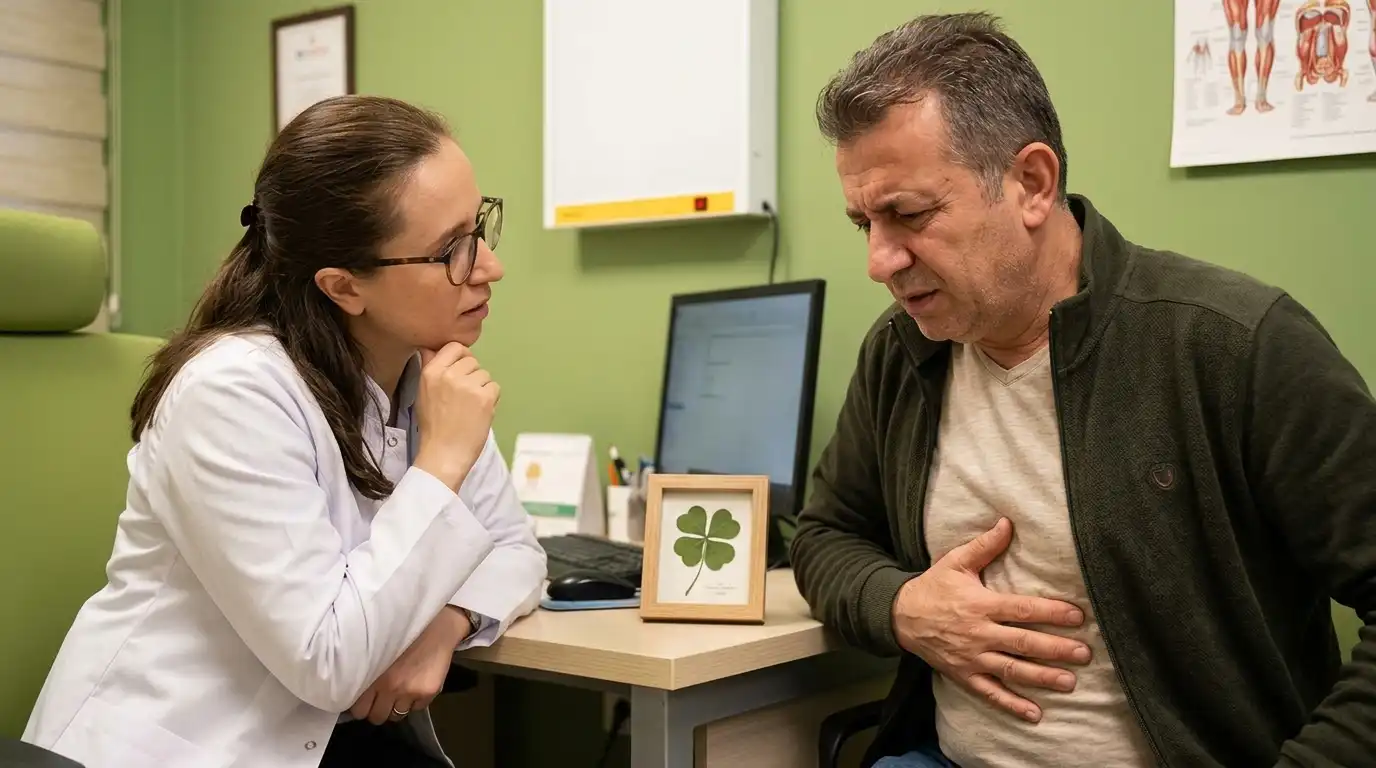
The key is to have an honest conversation with your doctor about your personal and family medical history. Screening guidelines exist for populations, but the right timing for an individual depends on their specific risk profile.
How Often Should You Repeat Screening
For people with normal colonoscopy results and no additional risk factors, screening is typically repeated every ten years. If polyps are found, the interval shortens to three to five years depending on the type and number of polyps. Patients with higher risk profiles may need more frequent surveillance.
The schedule is determined by your gastroenterologist based on your findings and overall risk. Following that schedule is important because colorectal cancer develops slowly, and a well-timed screening program catches it at a stage where treatment is most effective.
Take Screening Seriously
Colonoscopy is not something most people look forward to, but it is a short procedure that can save your life. The discomfort is minimal, the risks are very low when performed in accredited centers, and the peace of mind that comes with a clear result is invaluable.
For more information about colorectal health and screening, see our guide on colorectal cancer prevention and screening or contact our team to schedule a consultation.