
What Is Obesity Surgery?
Obesity surgery, also called bariatric surgery, is designed for people who have not been able to achieve lasting weight loss through diet, exercise, or medication alone. These procedures work by changing the anatomy of the digestive system, either by reducing how much food the stomach can hold, altering how nutrients are absorbed, or both. The goal is not just a smaller number on the scale but a meaningful improvement in the metabolic conditions that often accompany severe obesity, such as type 2 diabetes, hypertension, and sleep apnea.

Who Is a Candidate?
Deciding whether bariatric surgery is appropriate involves more than just checking a BMI number, though that is where most evaluations begin. Generally, candidates have a BMI of 40 or higher, or a BMI between 35 and 40 with significant obesity-related health conditions such as diabetes or heart disease. Just as important is a history of genuine attempts at weight loss through conventional methods and a readiness to commit to the lifelong dietary and lifestyle changes that surgery demands. Psychological preparedness matters too; surgery provides a powerful tool, but lasting results depend on the person using it.
Understanding the Main Procedures
Gastric Sleeve (Sleeve Gastrectomy)
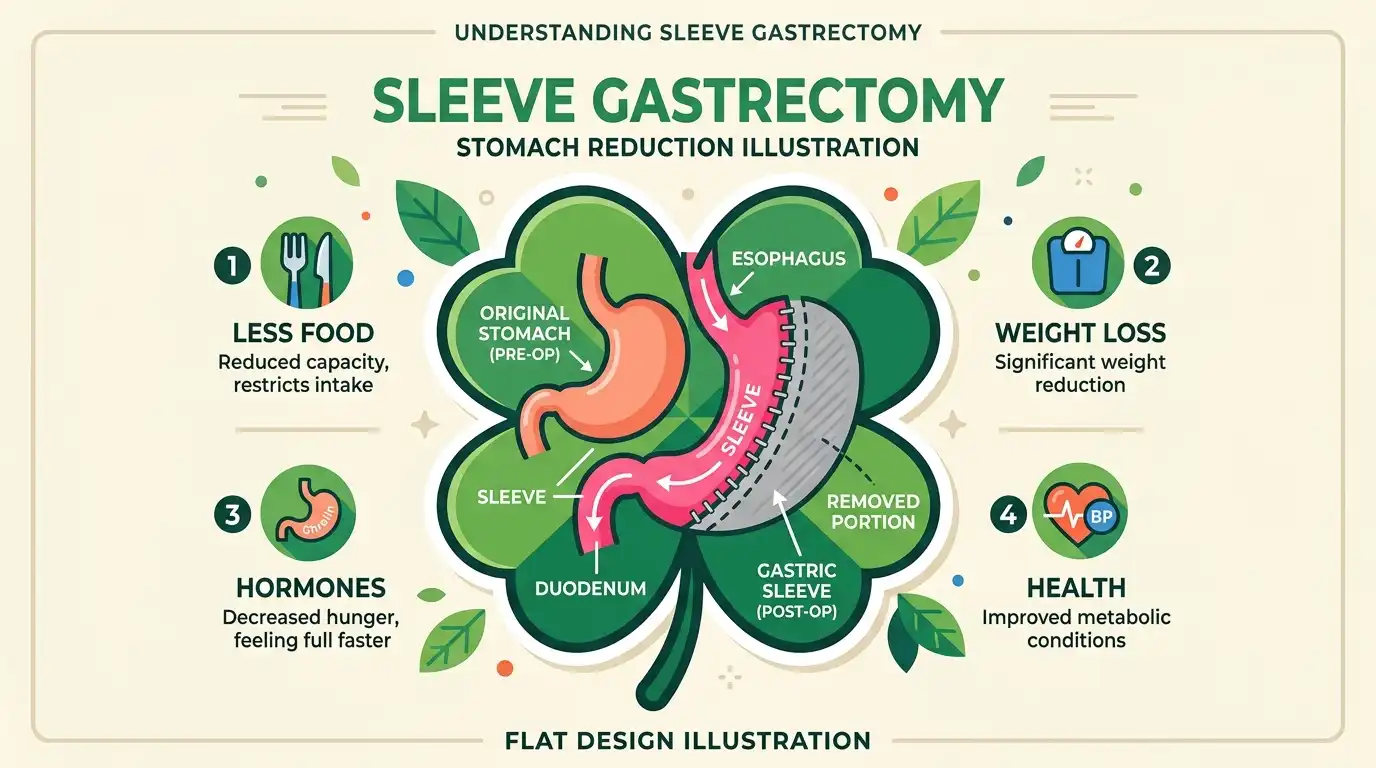
The gastric sleeve is the most commonly performed bariatric procedure worldwide, and for good reason. The surgeon removes approximately 80 percent of the stomach, leaving a narrow tube or sleeve that holds significantly less food. Beyond simple restriction, removing that portion of the stomach also reduces the production of ghrelin, the hunger hormone, which helps patients feel less driven to eat. The procedure takes about an hour and does not involve rerouting the intestines, which keeps the risk profile relatively low while delivering substantial weight loss.
Gastric Bypass (Roux-en-Y)
Gastric bypass surgery combines restriction with a moderate degree of malabsorption. The surgeon creates a small pouch at the top of the stomach and connects it directly to the middle portion of the small intestine, bypassing the rest of the stomach and the first part of the small bowel. This means patients eat less and absorb fewer calories from what they do eat. Gastric bypass produces rapid weight loss and often leads to dramatic improvements in type 2 diabetes, sometimes within days of surgery. However, it requires more rigorous long-term nutritional follow-up because the altered anatomy affects how the body absorbs vitamins and minerals.
Adjustable Gastric Band
The gastric band involves placing a silicone ring around the upper part of the stomach, creating a small pouch that fills quickly during meals. It is the least invasive option and can be adjusted or reversed. Weight loss is slower and more gradual than with sleeve or bypass, and patients need regular follow-up visits to have the band tightened or loosened. While it has fallen out of favor somewhat compared to sleeve gastrectomy, it remains an option for selected patients.
Biliopancreatic Diversion with Duodenal Switch
This is the most powerful procedure in terms of both weight loss and metabolic improvement, but also the most surgically complex. It combines a sleeve gastrectomy with a significant intestinal bypass. Patients typically lose the most weight and experience the highest rates of diabetes resolution. The trade-off is a greater risk of nutritional deficiencies and a longer recovery period, making it suitable for a more select group of patients with severe metabolic disease.
Preparing for Surgery
Preparation for bariatric surgery is thorough by design. Patients undergo a comprehensive medical evaluation, nutritional counseling, and a psychological assessment to confirm readiness. Most surgeons require a preoperative diet lasting two to four weeks, designed to shrink the liver and make the operation safer. During this period, patients are also expected to stop smoking, establish a basic exercise habit, and learn the staged dietary progression they will follow after surgery. This preparation phase is not bureaucratic; it directly affects surgical safety and long-term success.

Recovery and Life After Surgery
Recovery follows a carefully staged path, starting with clear liquids and progressing through pureed foods to soft solids and eventually a regular, healthy diet over several weeks. Physical activity resumes gradually, with walking encouraged almost immediately and more strenuous exercise introduced after surgical healing is complete. The most important element of long-term success is adherence to the new dietary reality: small portions, high protein, limited carbohydrates, and consistent vitamin and mineral supplementation. Regular follow-up appointments track weight loss, nutritional status, and any emerging issues.
Benefits Beyond the Scale
While the number on the scale is the most visible outcome, the metabolic benefits of bariatric surgery are often more medically significant. Many patients see their type 2 diabetes resolve or dramatically improve within weeks. Obstructive sleep apnea, joint pain, and cardiovascular risk markers improve in parallel with weight loss, and the psychological benefits of regaining mobility and health can be profound.

Understanding the Risks
Bariatric surgery is major abdominal surgery, and complications, while uncommon, can include bleeding, infection, leaks from staple lines, and nutritional deficiencies that develop over time if supplementation is neglected. Dumping syndrome, where food moves too quickly into the small intestine causing nausea and discomfort, affects some bypass patients. The single most important predictor of avoiding complications is choosing an experienced surgical team in a properly accredited facility.
For personalized information about whether bariatric surgery is right for you, contact our team or learn more about our obesity surgery services.