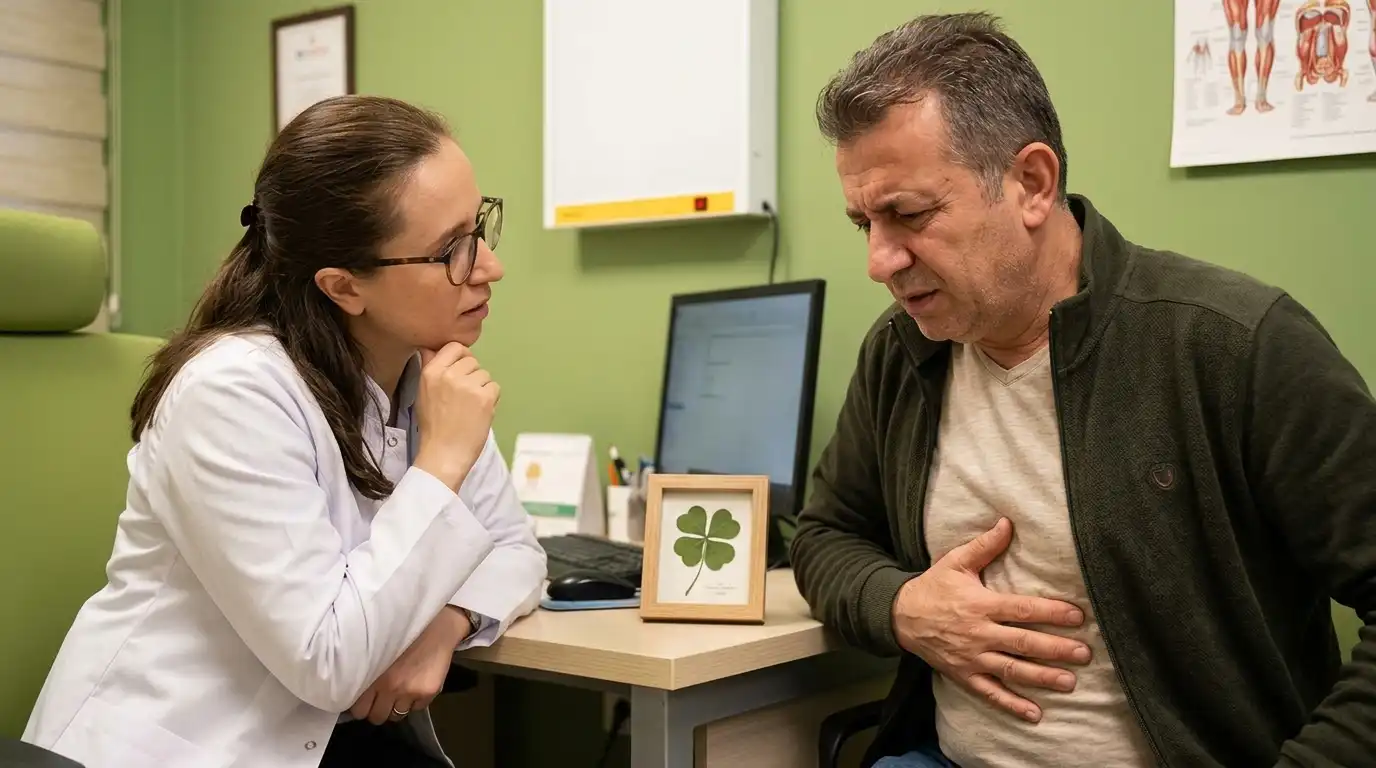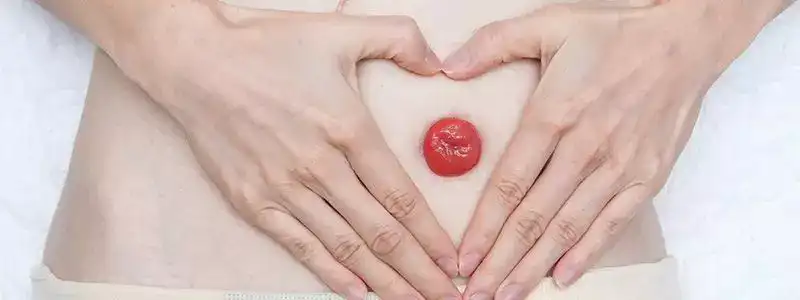
Having a stoma may seem daunting at first, but with the right knowledge and support, most people adapt well and continue living a full, active life. This guide covers everything from nutrition and hygiene to travel and emotional well-being.
Nutrition and Diet After Stoma Surgery
The first week after surgery is critical as your intestines adapt to the new system. This period is especially important for patients with an ileostomy (small bowel stoma), who may experience significant fluid and electrolyte loss which can affect the kidneys. Staying well-hydrated is essential.
Eating Timeline After Surgery
Unless there are specific complications, most patients can begin eating six hours after surgery. Initially, a liquid and soft diet is recommended for the first two days, followed by a gradual return to solid foods if tolerated.
Long-Term Dietary Guidelines
After discharge, your dietary plan should be individualized. General recommendations include:
- Smaller, more frequent meals (5-6 per day)
- Avoid solid foods for at least 4 hours before bedtime
- Maintain regular mealtimes to promote stoma function and reduce gas
- Drink 6-8 glasses of fluid daily
In the early stages, a low-fiber diet rich in protein, vitamins, and minerals is ideal. Avoid gas-producing or high-sugar foods such as dairy, raw fruits and vegetables, and fatty meals. Introduce new foods one at a time and monitor for any digestive issues.
Bowel Obstruction Warning Signs
Watch for signs of bowel obstruction, which can occur with foods like raw fruits (except banana), seeds, celery, popcorn, dried fruits, mushrooms, and cabbage. If symptoms arise, try warm baths, drink warm fluids, or gently massage the stoma area. Contact your doctor immediately if vomiting or severe pain occurs.
For colostomies (large bowel stomas), fewer dietary restrictions are typically needed.
Odor Management
Stoma appliances are designed with charcoal filters to manage odor. However, leaks, clogged filters, or improper cleaning can cause unpleasant smells. Deodorizing drops and timely pouch changes help maintain comfort.
Certain foods (cheese, onions, eggs, beans, asparagus) may increase odor. To reduce it, try incorporating yogurt, parsley, cranberry juice, or ayran into your diet.
Emotional Adjustment
How you perceive your stoma plays a big role in adapting to life with it. Remember: your stoma is there to protect your health. Try to take responsibility for your own stoma care unless there is a physical or psychological barrier. Stoma products are designed for self-care, and most people adapt within a few weeks. If needed, seek support from your stoma nurse or a mental health counselor.
Physical Activity and Exercise
After surgery, only activities that heavily strain the abdominal muscles (like weightlifting) should be avoided, as they increase the risk of hernias. Start light exercise such as walking, swimming, or guided core strengthening two weeks post-op if your condition allows.
Returning to Work
You may return to work after your follow-up visit if your doctor sees no issues. Bring extra stoma supplies and a change of clothes to feel more confident at work.
Bathing and Personal Hygiene
You can shower with or without the stoma pouch. If you have an ileostomy, it is better to keep the pouch on during bathing. For colostomies, either option is fine. Soap and water will not damage your stoma.
Practical tips:
- Avoid scrubbing the stoma
- Change your pouch after bathing
- Do not use oily creams around the stoma
- Dry the skin thoroughly before reapplying the pouch
- Bathe when your stoma is least active
Clothing
Do not change your style. Just avoid tight belts or clothing that may press against or injure the stoma.
Travel and Holidays
Travel is absolutely possible once you feel well and can manage your care. For air travel, avoid carbonated foods and drinks to minimize gas buildup, and empty your pouch before flying. Carry extra supplies in your hand luggage.
Sexuality and Intimacy
A stoma does not prevent a healthy sexual life. While you may experience some discomfort or fatigue after surgery, these are temporary. Open communication with your partner and healthcare team helps maintain intimacy and emotional well-being.
Pregnancy and Family Planning
Having a stoma does not prevent pregnancy, but you should consult your doctor if planning to conceive. Adhesions or prior treatments may require special consideration. During pregnancy, stoma shape and size may change, so different products might be needed.
Medications
Always inform your doctor or pharmacist that you have a stoma. Some medications may not be fully absorbed, especially with an ileostomy. For example, birth control pills may need dosage adjustments.
Religious Practices
According to the Turkish Directorate of Religious Affairs, having a stoma does not prevent religious rituals such as prayer or ablution. Stool or gas in the pouch does not invalidate your worship. Fasting is possible, but consult your doctor beforehand to avoid dehydration and other health risks.
Get Expert Stoma Care Support in Turkey
- General Surgery in Turkey - Specialist surgical teams for stoma-related procedures
- Why Is a Stoma Necessary? - Understanding when and why a stoma is needed
- Contact BB Global Health - Speak with our patient coordinators about stoma care support