Why Colorectal Health Matters
The colon and rectum do far more than most people realize. Together they absorb water and electrolytes from digested food, house the beneficial bacteria that influence immunity and metabolism, form and store waste, and act as a barrier against harmful pathogens. When this system works well, it contributes quietly to overall health. When it does not, the effects can range from daily discomfort to life-threatening disease. Despite its importance, colorectal health often receives less attention than heart health or other more visible aspects of wellness, which is unfortunate because many colorectal conditions are highly preventable or treatable when caught early.

Common Conditions and Their Impact
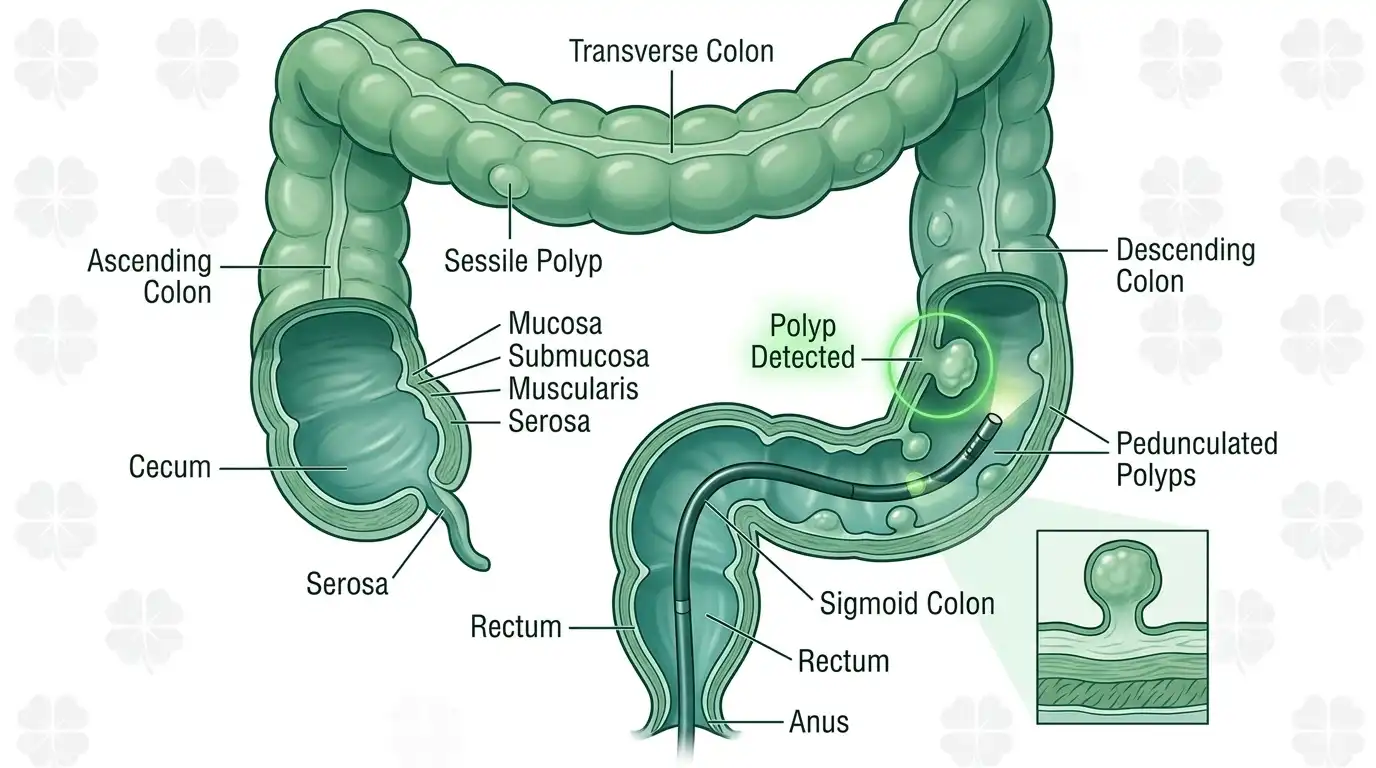
Colorectal cancer is the third most common cancer worldwide, and it almost always begins as a small precancerous polyp that can be removed during a routine colonoscopy long before it becomes dangerous. When detected at an early, localized stage, the five-year survival rate exceeds 90 percent. The tragedy is that far too many cases are found late, when treatment is more difficult and outcomes are worse.
Beyond cancer, inflammatory bowel disease, including Crohn’s disease and ulcerative colitis, causes chronic inflammation of the digestive tract that can significantly affect quality of life. These conditions require ongoing specialist management and, because the long-term cancer risk is elevated, regular surveillance. Diverticular disease, where small pouches form in the colon wall, affects more than half of people over age 60 and is strongly linked to low-fiber diets. Even common hemorrhoids, while rarely dangerous, can cause enough discomfort and bleeding to warrant medical attention.
Symptoms That Should Not Be Ignored
The digestive system is remarkably good at signaling when something is wrong, but people often dismiss the signs. A change in bowel habits that persists for more than a few weeks, blood in the stool whether bright red or dark, persistent abdominal cramps or pain, or the feeling that the bowel never quite empties completely all deserve a conversation with a doctor. Unexplained weight loss and persistent fatigue, sometimes caused by slow, unnoticed blood loss leading to anemia, are particularly concerning and should never be attributed to aging or stress without proper investigation.
Screening Saves Lives
Current guidelines recommend that people at average risk begin colorectal cancer screening at age 45. Colonoscopy remains the gold standard because it allows the doctor to visualize the entire colon and remove polyps during the same procedure. It is recommended every ten years for those with normal findings. Less invasive alternatives include annual fecal immunochemical testing and stool DNA testing every three years. For those with a family history of colorectal cancer or conditions like inflammatory bowel disease, screening starts earlier and happens more frequently.

Prevention Through Daily Choices
The strongest evidence for colorectal cancer prevention points to diet and lifestyle. A diet rich in fiber from fruits, vegetables, and whole grains, combined with limited red and processed meat, supports colon health. Regular physical activity, maintaining a healthy weight, and avoiding tobacco and excessive alcohol all independently reduce risk. These are not abstract recommendations; they represent the accumulated findings of decades of epidemiological research, and their effect is substantial when applied consistently.
Modern Treatment Approaches
When a colorectal condition requires intervention, today’s options bear little resemblance to surgery of the past. Minimally invasive laparoscopic and robotic-assisted procedures allow for smaller incisions, less pain, and faster recovery. Enhanced recovery protocols get patients back on their feet sooner. For cancer patients, targeted therapies and immunotherapy have expanded treatment options well beyond traditional chemotherapy. For those who need a stoma, modern appliances and dedicated stoma care nurses make living with one far more manageable than most people expect.
For a personalized colorectal health assessment or to schedule a screening, contact our team or learn more about our colorectal surgery services.