How Oncologic Surgery Differs from General Surgery
Removing a cancerous tumor is not the same as removing a non-cancerous mass. The difference is not just technical but philosophical. Oncologic surgery follows strict principles designed to maximize the chance of a cure and minimize the risk of the cancer returning. These principles guide every decision the surgeon makes, from where to cut to how much tissue to remove.
When surgery is performed for a benign condition, the surgeon’s goal is simply to remove the problem while preserving as much healthy tissue as possible. In cancer surgery, the goal is more complex. The surgeon must remove the tumor completely while also ensuring that no microscopic cancer cells are left behind, which means removing a margin of healthy tissue around the tumor and often removing nearby lymph nodes as well.

Preserving the Integrity of the Tumor
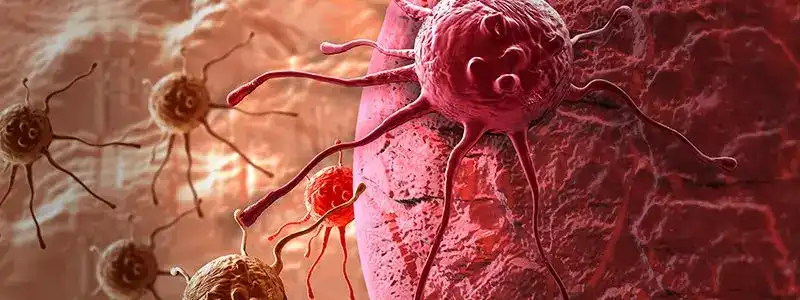
The first key principle of oncologic surgery is to avoid disturbing the tumor during the operation. Ideally, the tumor is not touched directly at all. This is because any disruption to the tumor, whether by handling it or cutting into it, can cause cancer cells to spill into the surrounding tissue or the bloodstream. Once cancer cells escape in this way, they can spread to other parts of the body, potentially turning a curable situation into a metastatic one.
Surgeons achieve this by operating around the tumor rather than directly on it, using careful dissection techniques that keep the tumor mass intact until it is removed entirely.
Removing a Margin of Healthy Tissue
To ensure that no cancer cells remain after the tumor is removed, the surgeon takes out a border of healthy tissue surrounding the tumor alongside the tumor itself. This area is called the surgical margin. In some cases, this means that otherwise healthy structures or organs near the tumor may also need to be removed, not because they are diseased but because the margin of safety requires it.
The pathologist examines the removed tissue after surgery to confirm that the margins are clear. If cancer cells are found at the edge of the removed tissue, it means the margin is positive and additional treatment may be needed.
Lymph Node Removal
In many types of cancer, the lymph nodes near the tumor must also be removed. These nodes are often the first place cancer spreads to, and examining them serves two important purposes. First, it helps determine the stage of the disease more accurately, which guides decisions about additional treatments such as chemotherapy or radiation. Second, removing involved lymph nodes reduces the risk of the cancer recurring in the local area.
Why Experience Matters
Cancer surgery is not just any surgery. It requires experience, precision, and strict adherence to oncologic principles. A poorly planned or poorly executed cancer surgery can compromise the patient’s chance of recovery in ways that cannot be undone by additional treatments afterward.
For patients seeking cancer surgery abroad, choosing a surgical team with specific expertise in oncologic procedures is one of the most important decisions they will make. At BB Global Health, our surgical teams are experienced in the principles of oncologic resection and work within a multidisciplinary framework that includes tumor board review for every case.
For more information about cancer surgery options in Turkey, contact our team or explore our cancer surgery services.