
Cancer Screening vs. Cancer Diagnosis: What’s the Difference?

Cancer screening and cancer diagnosis are two important parts of cancer care, but they serve different purposes. While screening aims to identify potential signs of cancer before symptoms appear, diagnostic testing investigates suspicious findings or symptoms to determine whether cancer is present.
Understanding this difference can help patients make informed decisions about their health, recognize when further testing may be necessary, and navigate the medical process more effectively.
What Is Cancer Screening?
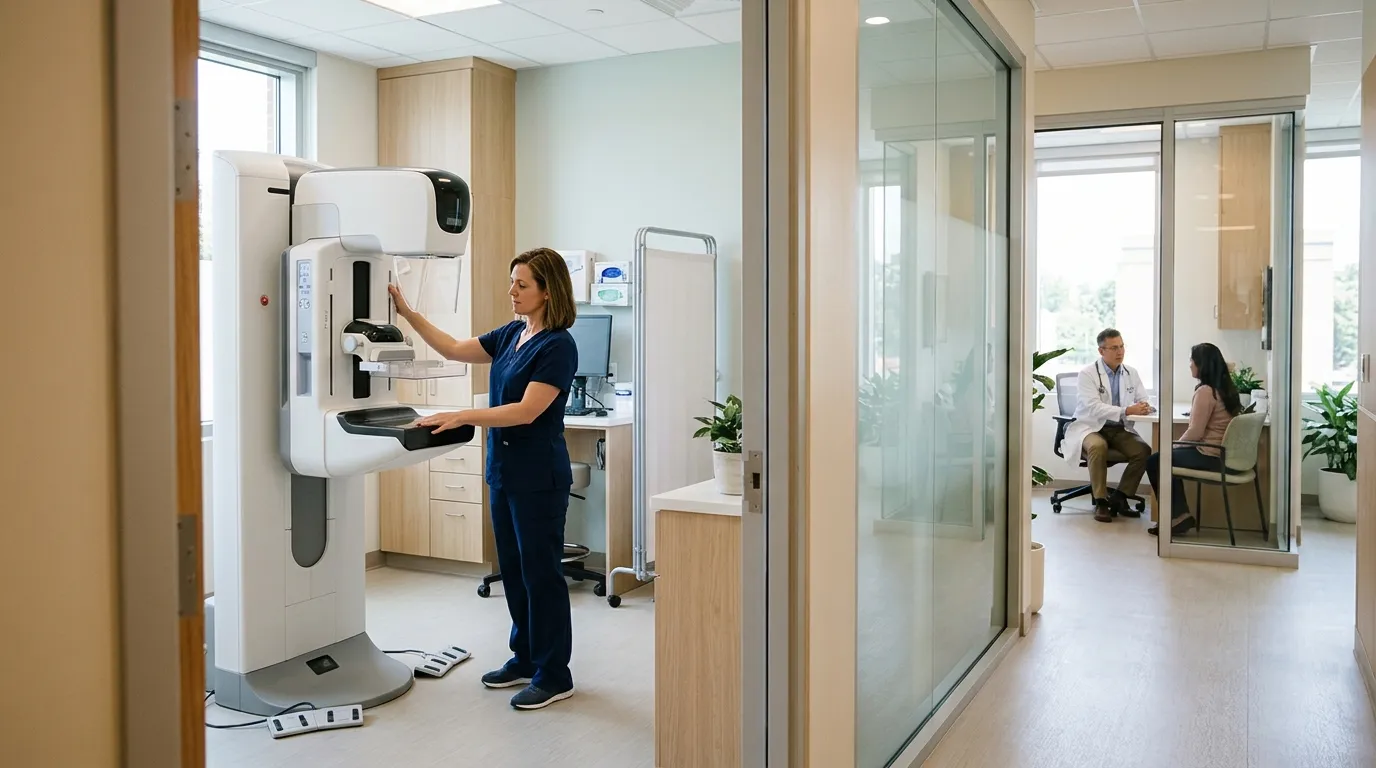
Cancer screening involves medical tests performed on individuals who do not have symptoms of cancer. Its primary purpose is to identify certain cancers or precancerous changes at an early stage, when treatment may be more effective.
Depending on a person’s age, medical history, family history, and individual risk factors, healthcare professionals may recommend different screening methods.
Common examples include:
- Mammography: Used to screen for breast cancer, particularly in women within recommended age groups.
- Colonoscopy: Used to identify colorectal cancer and detect or remove certain precancerous polyps.
- Pap Smear and HPV Testing: Used to identify cervical cell changes or high-risk HPV infections associated with cervical cancer.
- Low-Dose CT Scan: Recommended for certain individuals at higher risk of lung cancer, particularly those with a significant smoking history.
Not every screening test is appropriate for every individual. The type of screening, starting age, and testing frequency should be determined according to established medical guidelines and personal risk factors.
What Is Cancer Diagnosis?

Cancer diagnosis refers to the medical process used to determine whether cancer is present.
Unlike screening, which is typically performed before symptoms develop, diagnostic testing is often recommended when a patient experiences concerning symptoms, receives an abnormal screening result, or has a suspicious finding during a medical examination.
The diagnostic process may involve:
- Imaging Tests: Such as ultrasound, MRI, CT scans, or diagnostic mammography to examine suspicious areas.
- Blood and Laboratory Tests: Used to investigate certain abnormalities and support clinical evaluation.
- Endoscopic Examinations: Including colonoscopy or gastroscopy to examine internal organs and obtain tissue samples when necessary.
- Biopsy: A procedure in which tissue or cells are collected and examined to determine whether cancer is present.
A biopsy is often required to confirm a cancer diagnosis, although the diagnostic approach depends on the suspected cancer type and individual medical circumstances.
Cancer Screening vs. Cancer Diagnosis: Key Differences
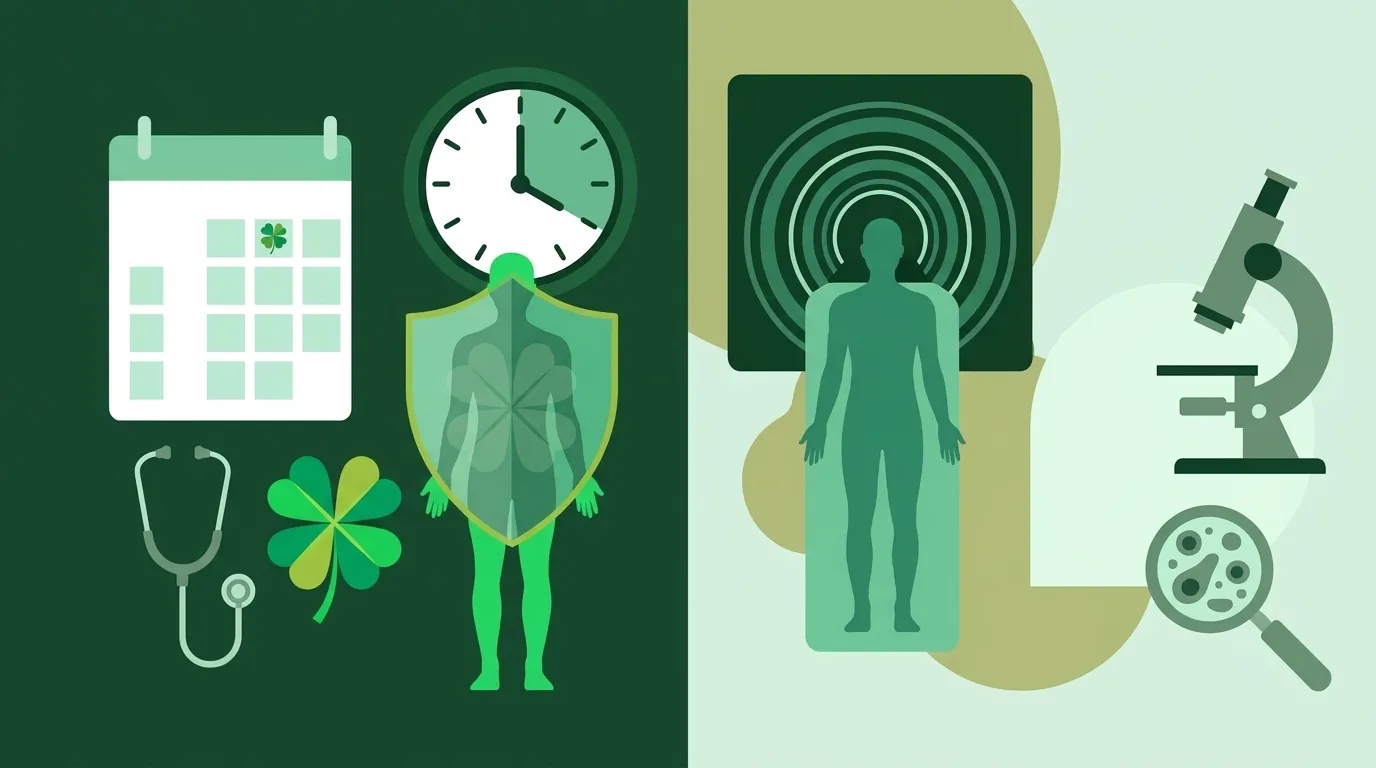
| Cancer Screening | Cancer Diagnosis |
|---|---|
| Performed before symptoms appear | Investigates symptoms or suspicious findings |
| Aims to detect potential disease early | Aims to determine whether cancer is present |
| Recommended according to age and risk factors | Recommended based on clinical findings |
| May indicate the need for further testing | May establish or rule out a diagnosis |
| Usually part of preventive healthcare | Part of a targeted medical evaluation |
Although both processes may involve similar medical technologies, their objectives are different.
An abnormal screening result does not automatically mean cancer is present. It indicates that further evaluation may be necessary.
Similarly, a normal screening result does not guarantee that cancer is absent.
What Happens After an Abnormal Screening Result?
Receiving an abnormal screening result can be concerning, but many abnormal findings are caused by noncancerous conditions.
The next steps depend on the type of screening test, the findings, and the patient’s medical history.
For example, an abnormal mammogram may lead to additional breast imaging or a biopsy. A positive stool-based colorectal cancer screening test generally requires a follow-up colonoscopy.
Further diagnostic evaluation helps healthcare professionals determine the nature of the finding and whether treatment or continued monitoring is necessary.
Completing recommended follow-up examinations is an essential part of the screening process.
Why Are Both Screening and Diagnosis Important?
Screening and diagnosis work together to support early cancer detection and appropriate medical care.
For certain cancer types, effective screening programs can reduce cancer-related deaths by identifying disease at an earlier stage. Some screening procedures can also detect precancerous changes before cancer develops.
However, screening is not available or recommended for every type of cancer, and unnecessary testing can sometimes lead to false-positive results, additional procedures, or overdiagnosis.
Diagnostic examinations are equally important, particularly when symptoms develop. Persistent or unexplained symptoms should be evaluated by a healthcare professional rather than waiting for a routine screening appointment.
The most appropriate approach depends on each person’s medical needs, individual risk profile, and clinical findings.
How BB Global Health Supports Your Medical Journey

At BB Global Health, we understand that navigating cancer screening and diagnostic procedures can involve several medical appointments, examinations, and specialist consultations.
Our team supports international patients by coordinating access to appropriate medical services at our contracted healthcare institutions in Istanbul.
From preventive check-up programs and specialist consultations to diagnostic evaluations and follow-up planning, our goal is to help patients navigate each stage of their healthcare journey through clear communication and coordinated medical arrangements.
Whether you are considering a routine screening or require further evaluation following an abnormal result, understanding the purpose of each examination is an important first step.