Family History and Cancer Risk: When Should Screening Start Earlier?
When it comes to cancer prevention and early detection, family medical history can provide important information about an individual’s risk. While many cancers develop without a known family history, having relatives who have been diagnosed with certain types of cancer may increase the likelihood of developing the disease.
For some individuals, this means that routine cancer screening may need to begin earlier or be performed more frequently than standard recommendations suggest.
Understanding how family history influences cancer risk can help patients and healthcare professionals develop a more personalized approach to preventive care.

How Does Family History Affect Cancer Risk?
Cancer can develop due to a combination of genetic, environmental, and lifestyle factors. In some families, certain inherited genetic changes may increase the risk of developing specific cancers.
However, not all cancers that occur within the same family are hereditary.
According to the National Cancer Institute, approximately 5–10% of cancers are associated with inherited harmful genetic changes.
Other factors, including shared environmental exposures, lifestyle habits, and age, may also contribute to cancer patterns within families.
A family history of cancer does not mean that an individual will necessarily develop the disease. Instead, it provides information that healthcare professionals can use when evaluating personal risk and recommending appropriate screening methods.
Which Family History Patterns May Indicate Higher Risk?
Not every family history of cancer requires changes to routine screening recommendations. However, certain patterns may suggest an increased risk and warrant further evaluation.
These include:
- Cancer diagnosed at an early age: A close relative diagnosed with certain cancers before age 50 may indicate an increased likelihood of hereditary risk.
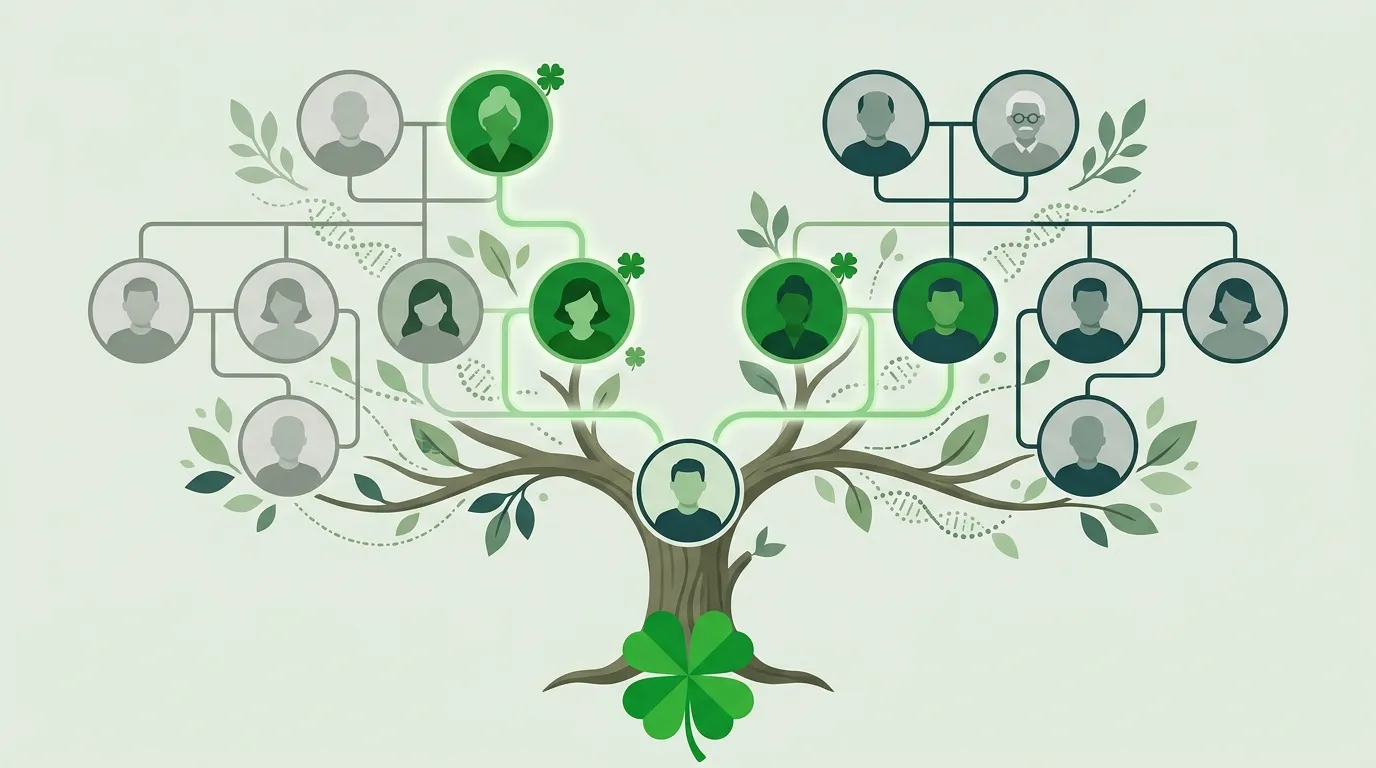
- Multiple relatives with the same cancer: Several family members diagnosed with similar cancers, particularly on the same side of the family, may suggest a shared risk factor.
- Related cancer types within a family: Some inherited conditions are associated with more than one type of cancer, such as breast and ovarian cancer or colorectal and endometrial cancer.
- Rare cancer diagnoses: Certain uncommon cancers, including breast cancer in men, may raise suspicion of an inherited cancer predisposition.
- Known inherited genetic changes: A family member with a confirmed cancer-associated genetic variant may indicate the need for genetic counseling or testing in other relatives.
Both maternal and paternal family histories are relevant when evaluating inherited cancer risk.
When Should Cancer Screening Start Earlier?
The recommended starting age for cancer screening depends on the type of cancer, personal medical history, and individual risk factors.
For individuals at average risk, screening generally follows established age-based recommendations. However, people with a significant family history may require a different approach.

1. Breast Cancer Screening
A family history of breast cancer, particularly in a parent, sibling, or child, may influence screening recommendations.
Women with a strong family history or certain inherited genetic changes, such as harmful variants in BRCA1 or BRCA2, may require earlier screening or additional imaging examinations.
Depending on the individual’s risk assessment, healthcare professionals may recommend:
- Mammography at an earlier age than usual
- Breast MRI in addition to mammography
- More frequent clinical evaluations
- Genetic counseling when hereditary cancer risk is suspected
The decision to begin screening earlier should be based on a comprehensive medical evaluation rather than family history alone.
2. Colorectal Cancer Screening
Colorectal cancer is another condition in which family history can significantly influence screening recommendations.
For adults at average risk, several major guidelines recommend beginning colorectal cancer screening at age 45.
However, individuals with a first-degree relative diagnosed with colorectal cancer, particularly at a younger age, may need to begin screening earlier.
In some cases, screening may be recommended at age 40 or 10 years before the age at which the youngest affected first-degree relative was diagnosed, whichever comes first. The appropriate starting age and frequency depend on the specific family history and clinical guidelines being followed.
A colonoscopy may be preferred because it allows healthcare professionals to examine the colon directly and remove certain precancerous polyps.
3. Ovarian and Other Hereditary Cancer Risks
Some inherited genetic conditions are associated with increased risks of several cancer types.
For example, harmful BRCA1 and BRCA2 variants can increase the risk of breast and ovarian cancers, while Lynch syndrome is associated with colorectal, endometrial, and certain other cancers.
Individuals with a family history suggestive of these conditions may benefit from genetic risk assessment and specialist consultation.
Importantly, routine ovarian cancer screening has not been shown to reduce mortality in average-risk women, and there is no established effective screening approach for many high-risk individuals. Management may therefore involve genetic counseling, individualized surveillance discussions, and preventive options where appropriate.
What Is Genetic Counseling, and When Is It Recommended?
Genetic counseling helps individuals understand whether their personal or family medical history suggests an inherited predisposition to cancer.
During the consultation, a qualified healthcare professional reviews family cancer patterns, relevant medical information, and whether genetic testing may be appropriate.
Genetic testing is not necessary for everyone with a family history of cancer.
When recommended, testing may help identify inherited genetic changes associated with increased cancer risk and guide decisions about screening or preventive care.
A genetic test result does not predict with certainty whether someone will develop cancer. Results should always be interpreted by qualified healthcare professionals.

What Information Should You Share With Your Doctor?
Knowing your family’s medical history can make preventive healthcare discussions more informative.
Before a consultation, it may be helpful to collect the following information:
- Which family members have been diagnosed with cancer
- The types of cancer diagnosed
- The approximate ages at diagnosis
- Whether multiple relatives have experienced similar cancers
- Any known hereditary cancer syndromes or genetic test results
Even when complete information is unavailable, sharing what is known may help healthcare professionals assess individual risk.
Why Personalized Cancer Screening Matters
Cancer screening is not a one-size-fits-all process.
Two individuals of the same age may have different screening needs depending on family history, genetic predisposition, previous medical findings, and other risk factors.
For some patients, standard screening intervals may be appropriate. For others, earlier examinations or additional diagnostic methods may be recommended.
Personalized screening aims to identify individuals who may benefit from closer monitoring while avoiding unnecessary procedures and testing.
Regular discussions with healthcare professionals can help ensure that screening decisions remain appropriate as personal health circumstances and medical recommendations change.

How BB Global Health Supports Your Preventive Healthcare Journey
At BB Global Health, we recognize that understanding individual cancer risk and identifying appropriate screening options can involve several medical consultations and examinations.
Our team supports international patients by coordinating access to medical services through our contracted healthcare institutions in Istanbul.
Whether you are considering routine cancer screening, seeking a specialist consultation due to family history, or requiring additional medical evaluation, we help coordinate the necessary appointments and healthcare arrangements.
Understanding your family medical history is an important step toward making informed decisions about preventive care.