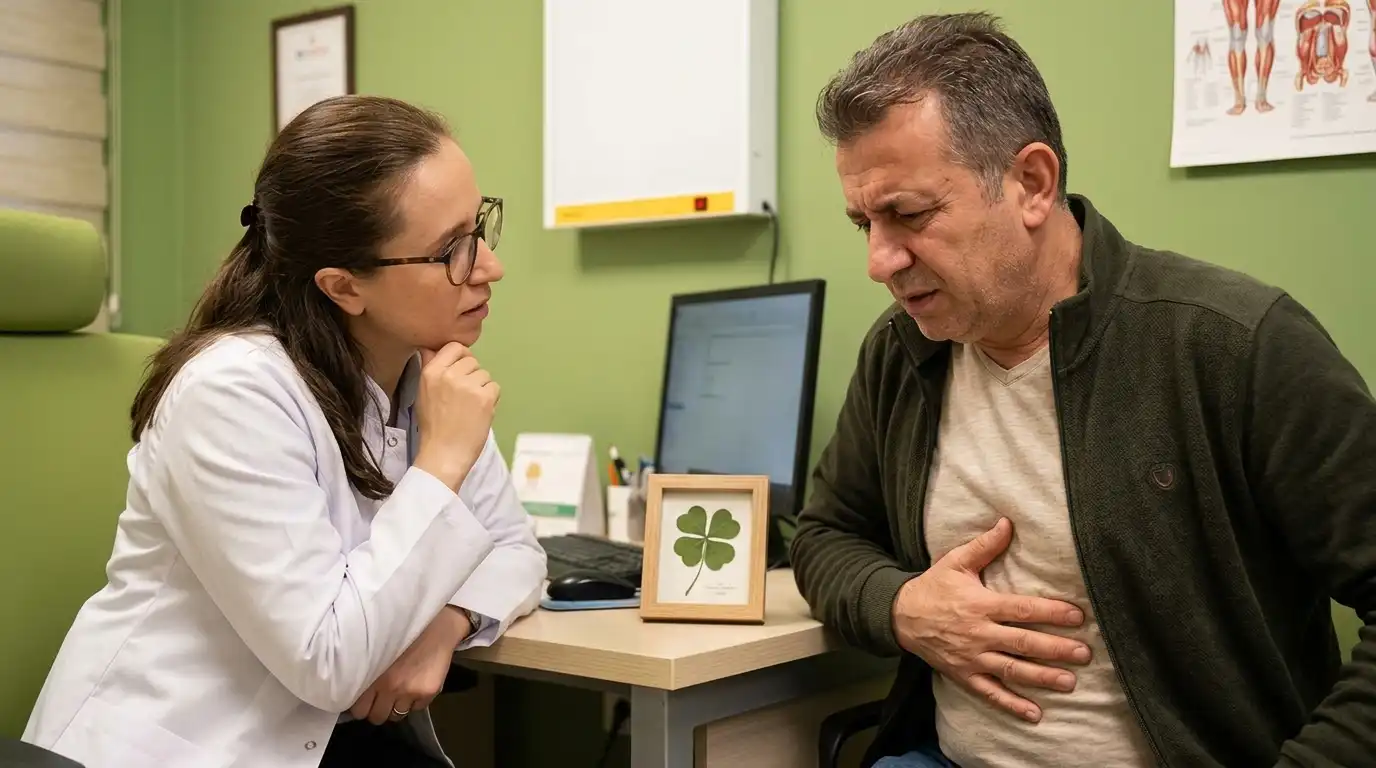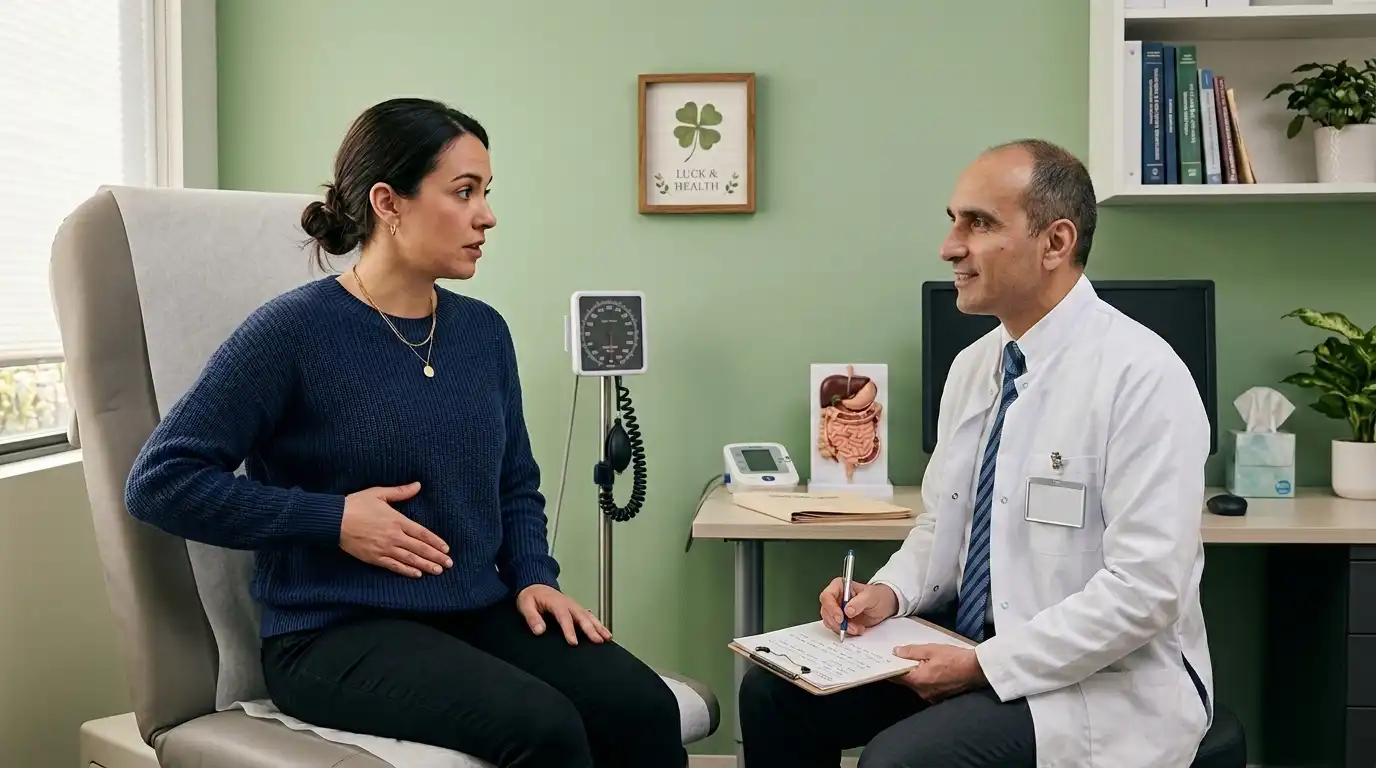
Colon cancer is often associated with older adults. However, colorectal cancer can also occur before the age of 50, and rates of early-onset colorectal cancer have been increasing in younger adults.
The National Cancer Institute reports that colorectal cancer incidence among adults under 50 has risen substantially over recent decades. Younger patients may also experience delays between the first symptoms and diagnosis.
This makes it especially important not to dismiss persistent digestive symptoms simply because you are young.
What Is Early-Onset Colorectal Cancer?
Early-onset colorectal cancer generally refers to cancer of the colon or rectum diagnosed before the age of 50. Although colorectal cancer is still more common at older ages, increasing cases among younger adults have made awareness of early symptoms particularly important.
Researchers are continuing to investigate why this increase is occurring. Genetics may play a role in some cases, but not every younger patient diagnosed with colorectal cancer has a known inherited cancer syndrome.
What Are the Symptoms of Colon Cancer in Young Adults?
Possible warning signs can include rectal bleeding or blood in the stool, persistent abdominal pain, unexplained changes in bowel habits, ongoing diarrhea or constipation, iron-deficiency anemia, unexplained fatigue and unintended weight loss.
Research highlighted by the National Cancer Institute identified four particularly important warning signs associated with early-onset colorectal cancer: abdominal pain, rectal bleeding, diarrhea and iron-deficiency anemia.
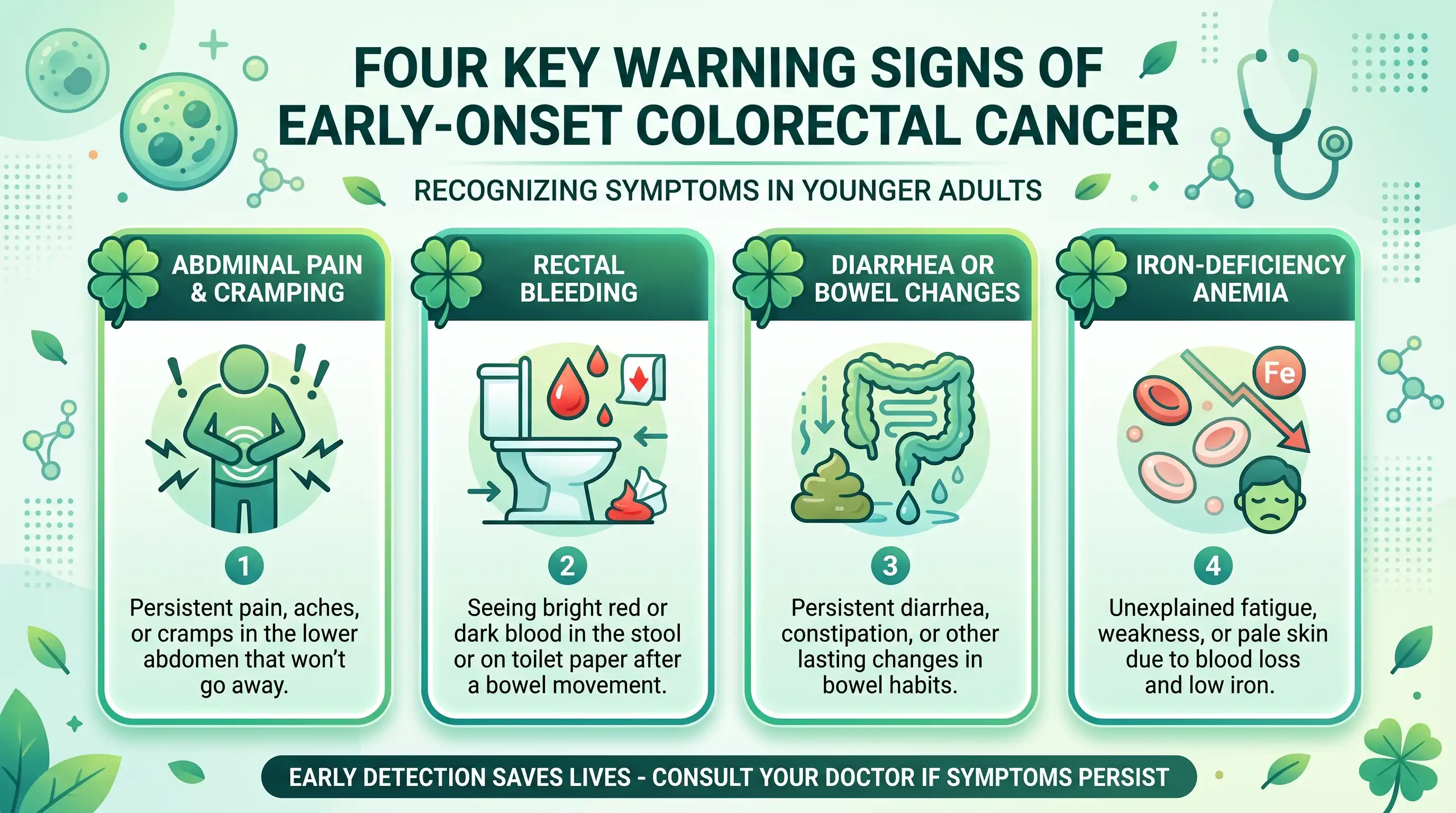
These symptoms do not automatically mean that someone has colon cancer. Many common gastrointestinal conditions can cause similar complaints. What matters is whether symptoms are persistent, recurrent, unexplained or changing.
Is Blood in the Stool Always Colon Cancer?
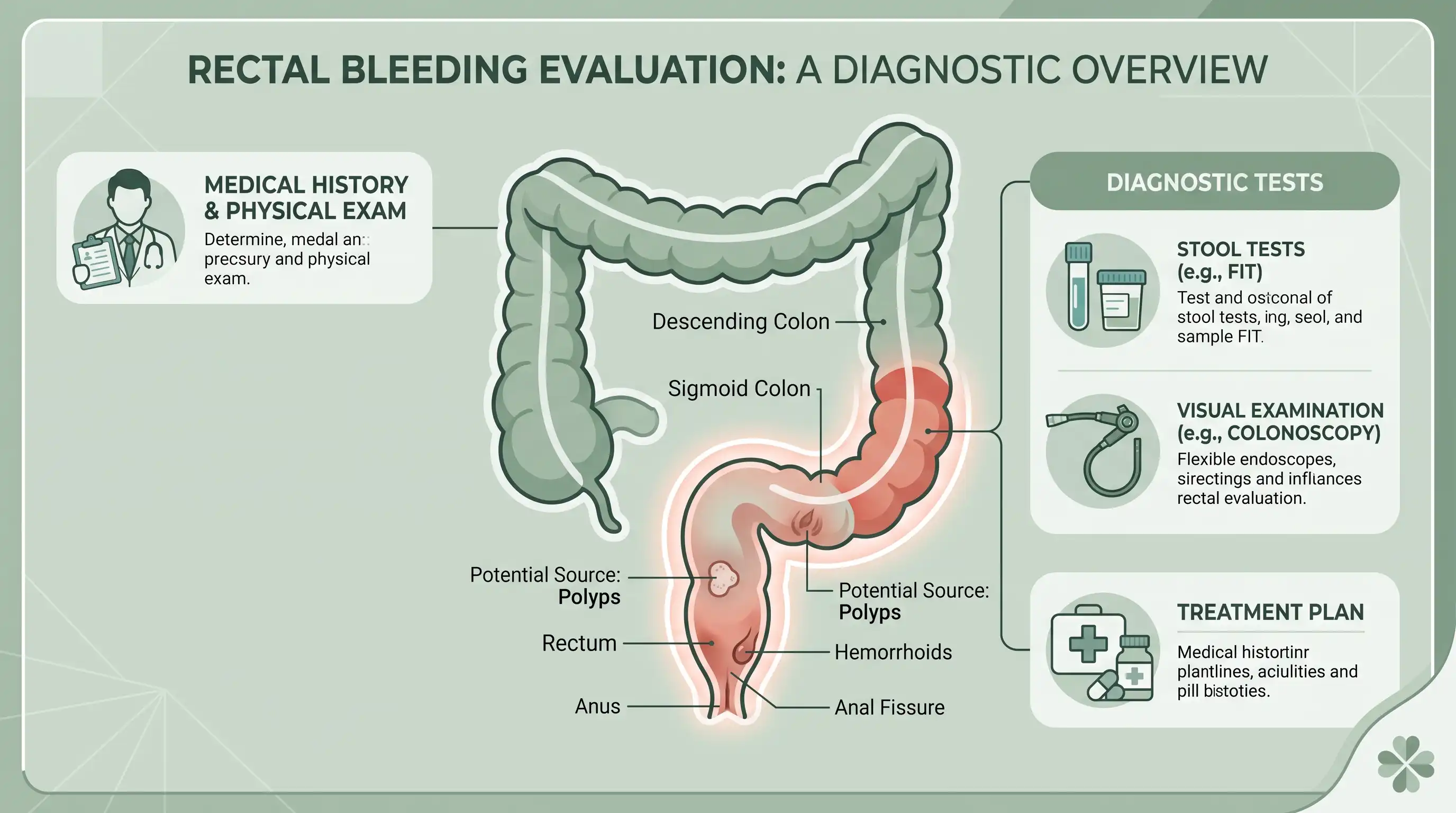
No. Rectal bleeding can have many causes, including hemorrhoids and other gastrointestinal conditions. However, visible blood in the stool should not simply be ignored, particularly when it keeps happening or occurs together with abdominal pain, changes in bowel habits, anemia or unexplained weight loss.
NCI research found rectal bleeding to be one of the warning signs most strongly associated with early-onset colorectal cancer. A medical evaluation can determine whether further testing is needed.
Can You Have Colon Cancer Without Symptoms?
Yes. Colorectal cancer and precancerous polyps can sometimes develop without noticeable symptoms, particularly at an early stage.
That is one reason colorectal cancer screening is important. Screening can identify abnormal growths before they become cancerous and can also detect cancer at an earlier stage, when treatment may be more effective.

When Should You See a Doctor?
Persistent bowel changes deserve attention at any age. If you repeatedly notice blood in your stool, unexplained abdominal pain, lasting changes in bowel habits or symptoms of anemia, speak with a doctor rather than waiting for them to disappear.
Being under 50 does not rule out colorectal cancer. Early evaluation does not mean assuming the worst, it means identifying the cause of the symptoms and deciding whether additional tests such as blood tests, imaging or colonoscopy are necessary.
BB Global Health coordinates international patients with experienced gastrointestinal and colorectal surgery teams in licensed partner healthcare institutions in Istanbul.

References
- National Cancer Institute (NCI). Possible Signs of Colorectal Cancer in Younger Adults — abdominal pain, rectal bleeding, diarrhea and iron-deficiency anemia as important warning signs.
- National Cancer Institute. Why Is Early-Onset Cancer on the Rise? — current research into increasing early-onset cancers and colorectal cancer warning signs.
- National Cancer Institute. Why Is Colorectal Cancer Rising Rapidly among Young Adults? — trends in colorectal cancer among adults younger than 50.
- Centers for Disease Control and Prevention (CDC). Talking With Your Doctor About Colorectal Cancer Screening — colorectal cancer symptoms including blood in the stool, bowel changes, abdominal pain, unexplained weight loss and anemia.
- CDC. Reducing Risk for Colorectal Cancer — role of screening in detecting and removing precancerous polyps.