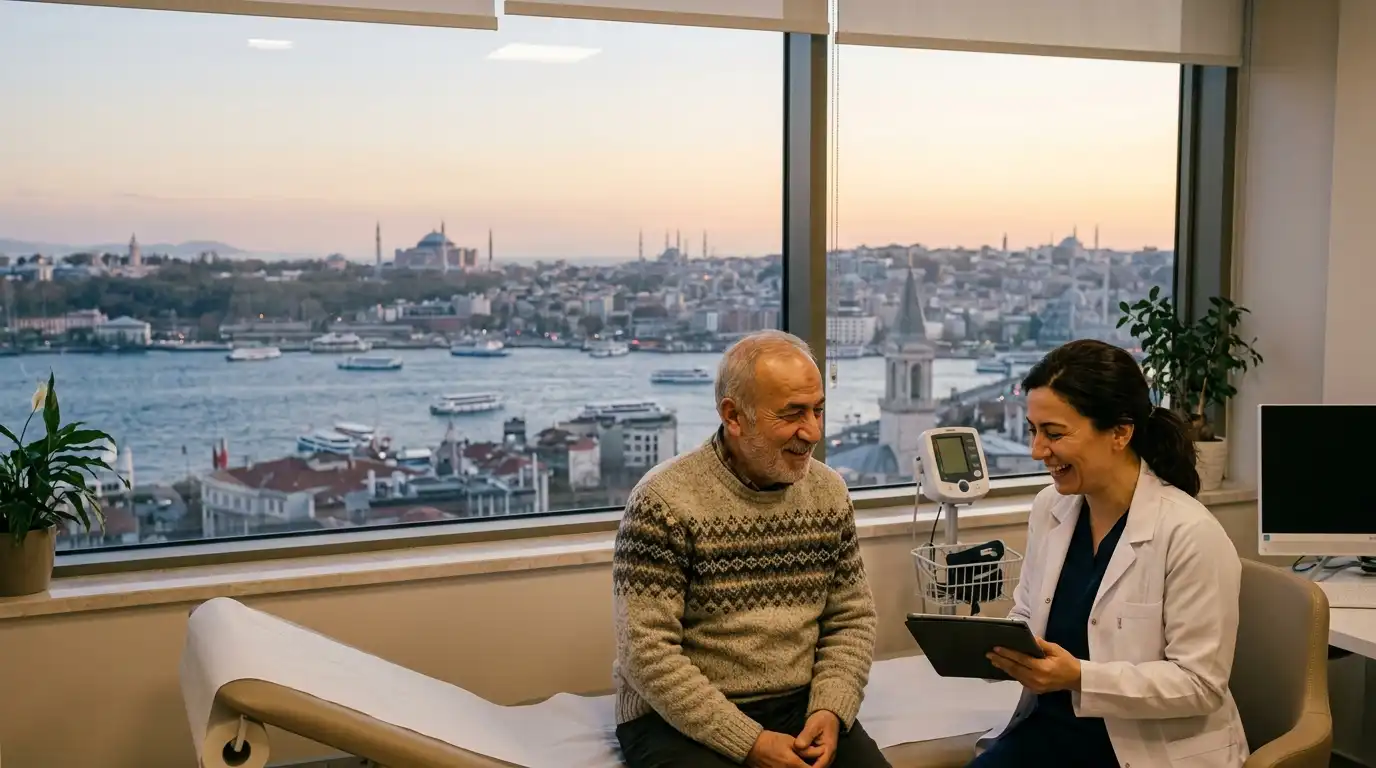
Is Surgery Abroad Safe? What International Patients Should Check First
Choosing to have surgery abroad is a major decision. For many international patients, treatment in another country can offer access to experienced specialists, advanced medical technologies, and well-equipped hospitals.
However, surgery abroad should never be planned only around convenience, cost, or travel arrangements. Patient safety, medical evaluation, doctor experience, hospital standards, and follow-up care should always come first.
So, is surgery abroad safe?
The answer depends on how carefully the treatment journey is planned and which medical team, hospital, and coordination service are involved.

Why Patients Consider Surgery Abroad
Many patients look for surgery abroad when they want access to experienced doctors, shorter waiting times, advanced treatment options, or a second opinion before making a final decision.
Türkiye has become one of the countries preferred by international patients for many medical fields, including obesity surgery, general surgery, robotic surgery, cancer surgery, hernia surgery, gallbladder surgery, plastic surgery, dentistry, and other treatments.
But before choosing surgery in Türkiye or any other country, patients should understand what makes the process safe and reliable.
Start With a Proper Medical Evaluation
The first step before any surgery abroad should be a proper medical evaluation. A safe treatment plan cannot be created only from a short message or a simple photo. The medical team should review your diagnosis, medical history, test results, imaging reports, current medications, and previous treatments.
Depending on your condition, this may include:
- Medical reports
- Blood test results
- CT, MRI, ultrasound, or endoscopy results
- Pathology reports, if available
- Previous surgery records
- Current medications
- Your existing diagnosis and treatment recommendation

This information helps the specialist understand whether surgery is necessary, which treatment option may be suitable, and whether traveling for treatment is appropriate for your case.
Check the Doctor’s Experience
One of the most important factors in surgery abroad is the experience of the doctor who will evaluate and perform the procedure. Patients should feel comfortable asking about the surgeon’s medical background, years of experience, areas of focus, and experience with similar cases.
This is especially important for complex procedures such as colon cancer surgery, rectal cancer surgery, obesity surgery, hernia repair, gastrointestinal surgery, and robotic surgery. Advanced technology can support surgical precision, but the experience of the surgical team remains one of the most important parts of safe treatment planning.
Check the Hospital or Healthcare Institution
Before planning surgery abroad, patients should also check where the treatment will take place.
A reliable healthcare institution should have modern medical infrastructure, appropriate surgical units, intensive care support when needed, experienced medical staff, and clear patient safety protocols.
For international patients, it is also important that treatment is provided at institutions authorized for health tourism.
Hospital quality matters not only during the operation, but also before and after surgery. Pre-operative tests, anesthesia evaluation, post-operative care, nursing support, infection control, and emergency response systems are all part of a safe surgical process.

Do Not Base the Decision Only on Price
Cost is naturally one of the questions patients ask when considering surgery abroad. However, price should never be the only reason for choosing a doctor, hospital, or country.
A very low price may not always include important parts of the treatment journey, such as proper medical evaluation, hospital stay, anesthesia, follow-up care, transfers, translation support, or possible additional medical needs.
Safe surgery abroad requires a complete and transparent plan. Patients should understand what is included, what is not included, and what kind of support they will receive before, during, and after treatment.
Understand the Treatment Plan Clearly
Before traveling for surgery, patients should know what the planned treatment includes. This means understanding:
- Why the surgery is recommended
- Which surgical method may be used
- Whether minimally invasive or robotic surgery may be possible
- How long the hospital stay may be
- How many days they may need to stay in Türkiye
- What recovery may look like
- What follow-up care is needed
- What possible risks should be discussed
A clear treatment plan helps patients avoid confusion and make more informed decisions.
Ask About Follow-Up Care
Follow-up care is one of the most important parts of safe surgery abroad.
A patient’s treatment journey does not end when the operation is completed. Recovery, wound care, nutrition, medication use, physical activity, warning signs, and long-term medical monitoring may all be part of the process depending on the procedure.
For example, patients undergoing obesity surgery need long-term nutritional follow-up and lifestyle guidance. Patients having colon cancer surgery may need pathology results, oncology planning, or continued monitoring. Hernia surgery patients may need guidance on movement, lifting, and recovery.
Before choosing surgery abroad, patients should ask how follow-up communication will be managed after they return home.
Make Sure Communication Is Clear
Clear communication is essential for international patients.
Patients should understand who they can contact, how questions will be answered, how medical documents will be shared, and whether translation support will be available during hospital visits. When communication is unclear, patients may feel stressed, confused, or unsupported.
A reliable medical coordination team helps bridge the gap between the patient, doctor, hospital, hotel, transfer team, and follow-up process.
Check Travel, Hotel, and Transfer Planning
For surgery abroad, medical care is only one part of the journey. International patients also need safe and organized travel planning.
Before traveling, patients should know:
- Who will meet them at the airport
- Where they will stay
- How far the hotel is from the hospital
- How hospital transfers will be organized
- When appointments and tests are scheduled
- Who will assist them during the process
- What happens after discharge

Reliable hotels, trusted transfers, and organized scheduling help patients feel more comfortable and supported during their stay.
Why Patient Coordination Matters
Patient coordination plays a key role in making surgery abroad safer and easier to follow.
At BB Global Health, the process begins before the patient arrives in Türkiye. Medical reports are reviewed, the appropriate specialist is consulted, and the treatment journey is planned according to the patient’s condition and needs.
Patient coordination may include:
- Medical report review
- Doctor consultation planning
- Hospital appointment coordination
- Travel planning support
- Hotel and transfer organization
- Translation and communication support
- Follow-up communication after treatment
This helps international patients understand each step of the process and avoid feeling alone in another country.
Red Flags to Watch Out For
Before choosing surgery abroad, patients should be careful if they notice certain warning signs. These may include:
- Being promised guaranteed results
- Being asked to book surgery without medical evaluation
- Lack of clear information about the doctor or hospital
- Unclear pricing or hidden costs
- No discussion of risks or recovery
- No follow-up plan
- Pressure to make a quick decision
- Poor communication or unanswered questions
Safe medical care should always include proper evaluation, realistic expectations, and transparent communication.
Surgery Abroad in Türkiye: What Makes the Difference?
Türkiye offers many advantages for international patients, including experienced specialists, advanced hospitals, modern surgical technology, and strong health tourism infrastructure.
However, the most important factor is choosing the right medical team and coordination process. The safest treatment journeys are not rushed. They are planned carefully, based on medical information, doctor evaluation, hospital quality, and patient needs.
Whether the patient is considering obesity surgery, hernia surgery, colon cancer surgery, gallbladder surgery, robotic surgery, or another treatment, the process should always begin with a careful medical review.
Before traveling for treatment, patients should ask questions, share their medical reports, understand the treatment plan, and make sure follow-up care is included in the process.
At BB Global Health, we help international patients connect with experienced doctors and partner healthcare institutions in Türkiye. Our team supports patients from the first medical evaluation to hospital coordination, travel planning, and follow-up communication.