Treatment in Türkiye:
How Patient Coordination Works Step by Step
Planning treatment in another country can feel overwhelming at first. Patients often have many questions before making a decision.
- Which doctor should I contact?
- Which hospital will I go to?
- How do I share my medical reports?
- How many days should I stay in Türkiye?
- Who will help me with appointments, transfers, and communication?
- What happens after treatment?
This is where patient coordination becomes an important part of the healthcare journey.
For international patients, treatment in Türkiye should not begin with confusion. It should begin with a clear medical evaluation, organized planning, and a team that guides the patient step by step.
What Is Patient Coordination?
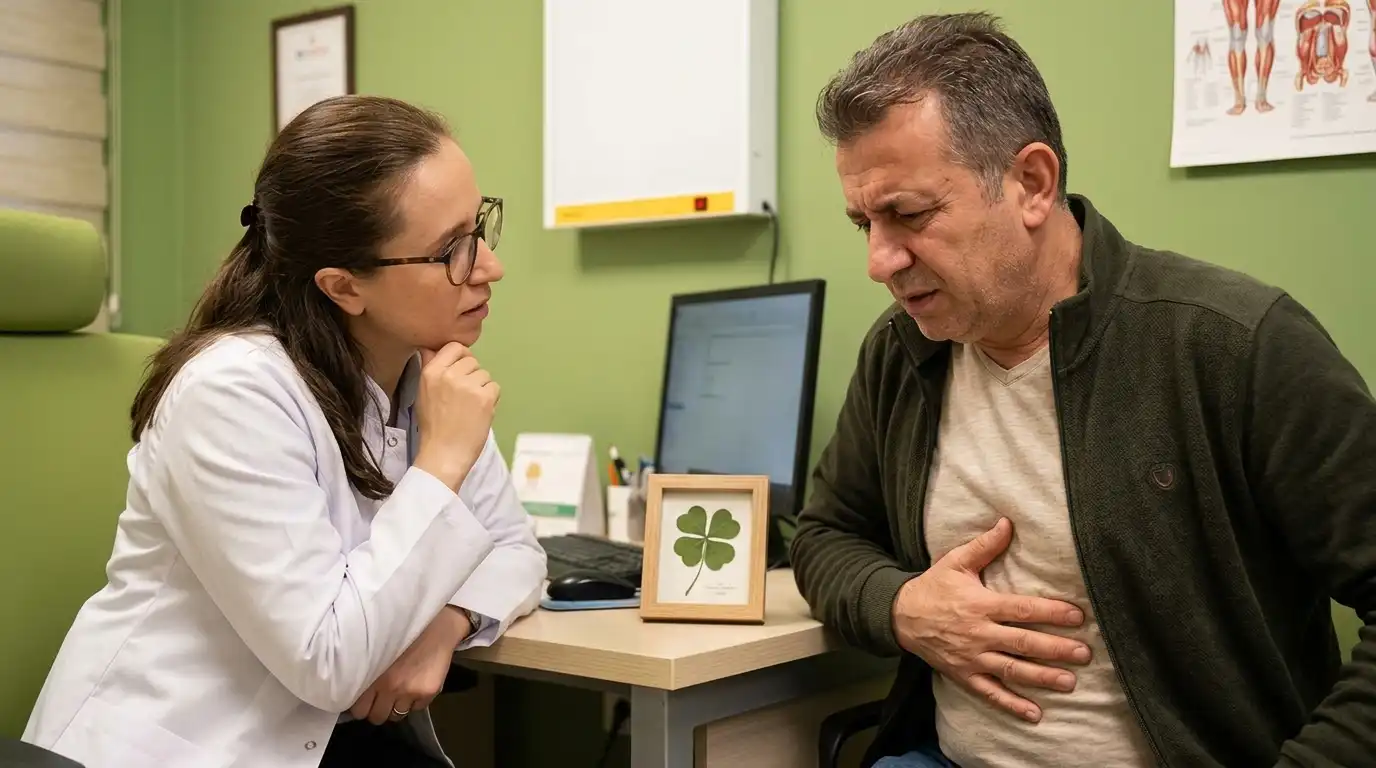
Patient coordination is the process of helping patients organize and understand their treatment journey before, during, and after their stay in Türkiye.
It is not only about scheduling an appointment. It includes communication between the patient, doctor, hospital, hotel, transfer team, and medical support team.
A patient coordinator helps make the process easier to follow by explaining what is needed, collecting medical documents, arranging appointments, organizing travel-related details, and supporting communication throughout the journey. For international patients, this support can make a major difference.
Step 1: The First Message
The treatment journey often begins with one simple message.
A patient may contact BB Global Health because they have been diagnosed with a condition, advised to have surgery, or are looking for a second opinion before making a decision.
At this stage, the coordinator’s role is to understand the patient’s main concern.
The patient may be asking about obesity surgery, hernia surgery, colon cancer surgery, gallbladder surgery, robotic surgery, cancer treatment, check-up programs, or another medical need. The first step is always listening carefully and understanding what kind of medical support the patient is looking for.
Step 2: Collecting Medical Reports
Before any treatment plan can be discussed properly, the medical team needs to understand the patient’s condition.
That is why patients are usually asked to share medical documents such as:
- Medical reports
- Blood test results
- CT, MRI, ultrasound, or endoscopy results
- Pathology reports, if available
- Previous surgery records
- Current medications
- A summary of the diagnosis and treatment recommendation
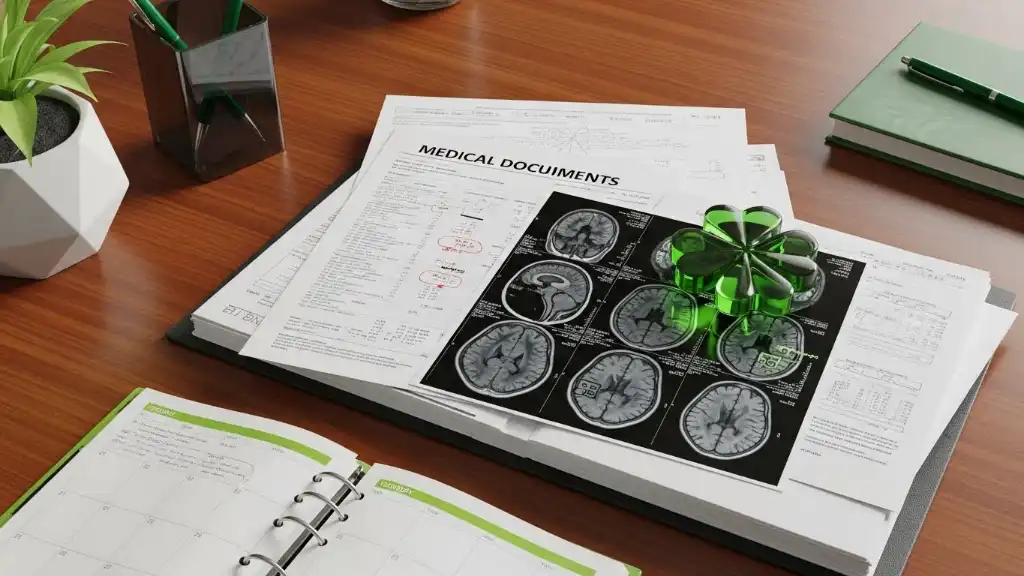
These documents help the medical team evaluate the case more accurately.
A safe treatment journey should never be based on assumptions. It should begin with medical information and professional evaluation.
Step 3: Doctor Evaluation
Once the patient’s medical documents are received, the case can be reviewed by the appropriate specialist.
This step is very important because every patient is different. Even if two patients have the same diagnosis, their treatment needs may not be the same. The doctor evaluates the patient’s condition, medical history, test results, and previous treatments to understand whether treatment in Türkiye may be suitable.
Depending on the case, the doctor may recommend further tests, an online or in-person consultation, surgery, medical treatment, or another approach. This evaluation helps the patient understand the next step more clearly before traveling.

Step 4: Explaining the Treatment Plan
After the medical evaluation, the patient coordinator helps explain the general treatment plan and process. This may include:
- The recommended doctor or medical department
- The healthcare institution where treatment may take place
- The expected hospital stay
- The estimated number of days needed in Türkiye
- Pre-operative tests or evaluations
- Possible recovery period
- Follow-up requirements
- Travel and accommodation details

The goal is to help the patient understand what to expect before making travel plans. Clear communication at this stage is essential. Patients should feel informed, not rushed.
Step 5: Hospital Appointment Planning
Once the patient decides to continue, hospital appointments are planned according to the treatment needs and doctor availability. This may include consultation appointments, pre-operative tests, imaging, blood tests, anesthesia evaluation, or other medical assessments depending on the treatment.
For surgical patients, the schedule may include pre-operative evaluation, surgery day, hospital stay, discharge planning, and follow-up control. A well-organized hospital schedule helps patients know where they need to be, when they need to be there, and what will happen at each stage.
Step 6: Hotel and Transfer Support
For international patients, medical treatment is only one part of the journey. Accommodation and transportation also need to be planned carefully.
BB Global Health helps coordinate reliable hotel options and trusted transfer support for patients coming to Türkiye.
This may include airport pick-up, hotel transfer, hospital transfers, and transportation for follow-up appointments when needed. The goal is to help patients feel safe, comfortable, and supported from the moment they arrive.

When patients are coming to another country for treatment, small details matter. Where they stay, how they reach the hospital, and who assists them during the process can all affect their overall experience.
Step 7: Support During the Hospital Process
During the hospital process, patient coordinators help support communication between the patient, hospital team, and doctor.
This may include helping the patient understand appointment timing, hospital procedures, test schedules, and general instructions.
For international patients, language and communication support can be especially important. Patients should be able to ask questions and understand what is happening at each step.
The coordinator is not a replacement for the doctor, but acts as a bridge between the patient and the healthcare system.
Step 8: Discharge and Recovery Guidance
After treatment or surgery, the hospital team provides medical instructions for recovery.
Depending on the procedure, this may include information about medication use, nutrition, physical activity, wound care, warning signs, follow-up appointments, or travel timing.
The patient coordinator helps make sure the patient understands the next steps after discharge.
For example, patients who have obesity surgery may need nutritional guidance and long-term follow-up. Patients who have hernia surgery may need advice about movement and lifting. Patients who have colon cancer surgery may need pathology results and further medical planning.
Recovery does not end at discharge, which is why follow-up communication matters.
Step 9: Follow-Up Communication After Returning Home
For international patients, follow-up support after returning home is an important part of the treatment journey.
Patients may need to share updates, ask questions, send reports, or receive guidance about follow-up appointments and recovery instructions.
BB Global Health helps maintain communication after the patient leaves Türkiye, so the patient does not feel alone once they return home.

This is especially important for patients who undergo surgery or treatments that require monitoring after discharge.
Why Patient Coordination Matters for Treatment in Türkiye
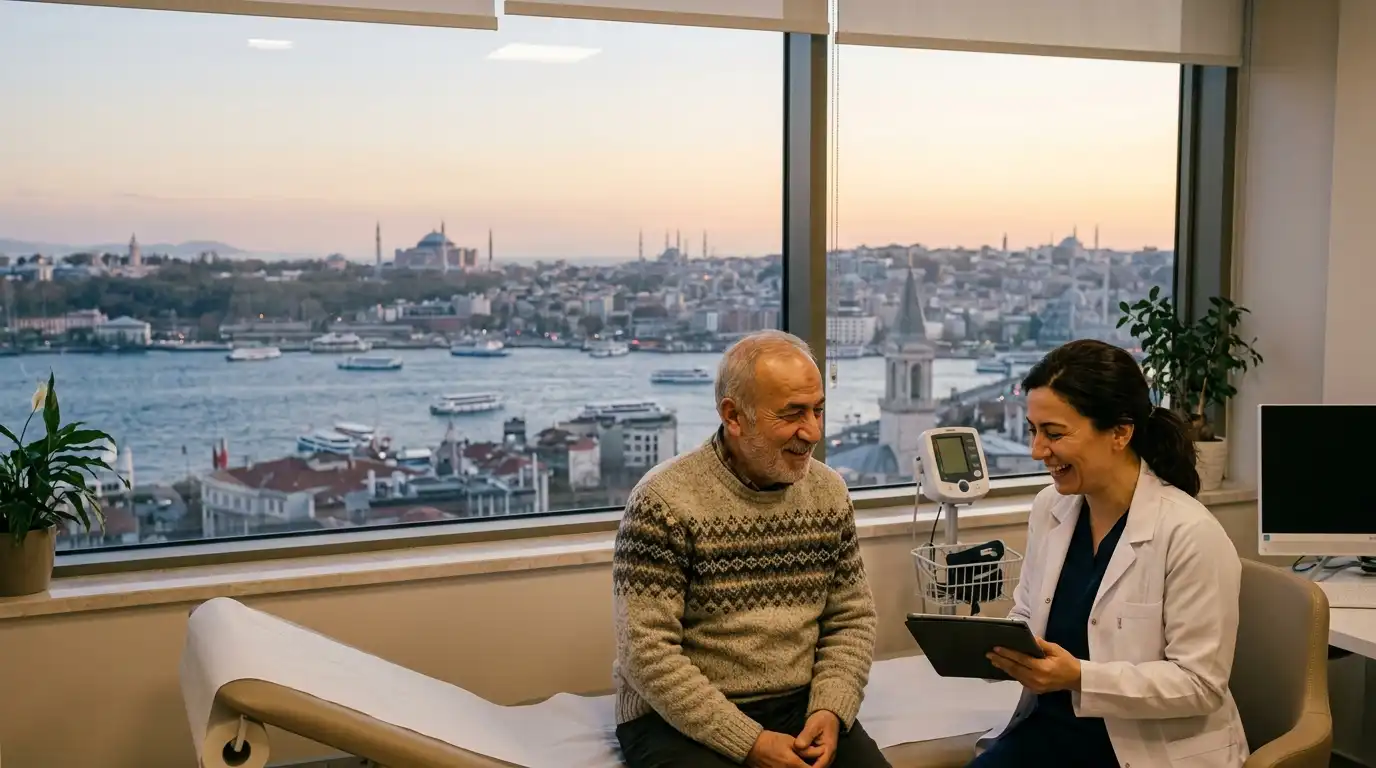
Türkiye is a preferred destination for many international patients because of its experienced specialists, modern hospitals, advanced medical technologies, and health tourism infrastructure.
However, the quality of the treatment journey depends not only on the medical procedure itself, but also on how well the process is planned.
Patient coordination helps create a more organized and comfortable experience by bringing together medical evaluation, hospital planning, travel support, communication, and follow-up care. A strong coordination process helps patients avoid confusion and make more informed decisions.
What Patients Should Prepare Before Treatment in Türkiye
Before traveling for treatment, patients should prepare their medical documents and ask the right questions. Useful questions may include:
- Which doctor will evaluate my case?
- Which hospital will my treatment take place in?
- How many days should I stay in Türkiye?
- What tests are needed before treatment?
- What should I expect during recovery?
- Will I need follow-up care after returning home?
- Who can I contact if I have questions during the process?
Having clear answers to these questions can help patients feel more prepared before traveling.
Treatment in Türkiye should be planned with care, clarity, and proper medical coordination. For international patients, the journey begins before the flight. It starts with sharing medical reports, receiving doctor evaluation, understanding the treatment plan, and organizing each step of the process.
At BB Global Health, we help international patients connect with experienced doctors and partner healthcare institutions in Türkiye. Our team supports patients through medical report review, doctor consultation planning, hospital coordination, hotel and transfer support, and follow-up communication.