“When should I get a colonoscopy?” is one of the most common questions surrounding colon cancer screening.
For some people, the answer is based mainly on age. For others, symptoms, family history or previous findings may mean that a colonoscopy should be considered earlier. Understanding the difference between routine colorectal cancer screening and diagnostic colonoscopy can help you know when to speak with your doctor.
What Age Should You Get a Colonoscopy?
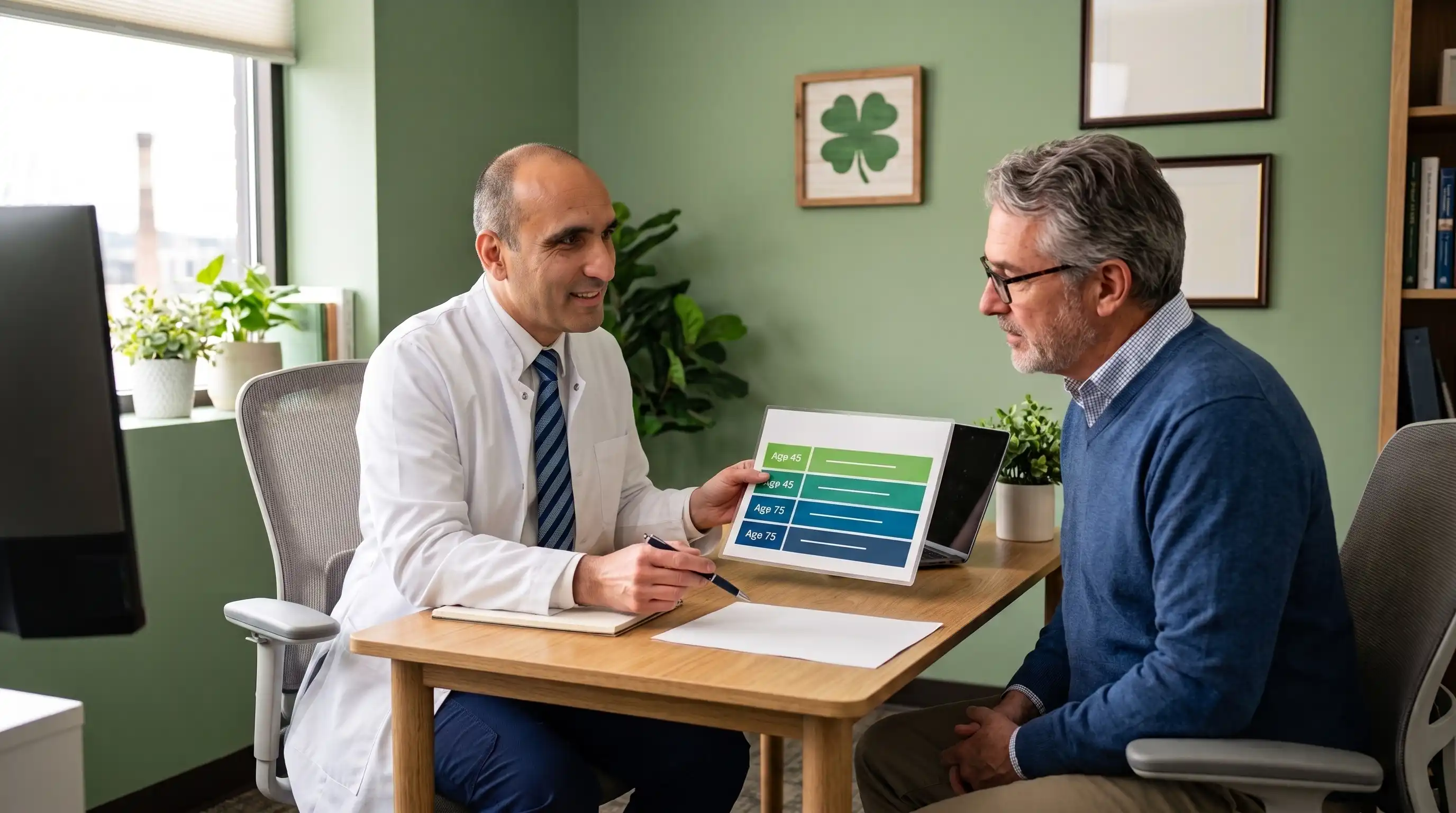
For adults at average risk, current U.S. Preventive Services Task Force recommendations advise colorectal cancer screening from age 45 through 75. Between ages 76 and 85, screening decisions are generally individualized according to overall health, previous screening history and patient preferences.
It is important to note that colonoscopy is not the only colorectal cancer screening option. Stool-based tests and certain other screening methods may also be appropriate.
However, colonoscopy has an important advantage: it allows the doctor to examine the colon directly and remove some polyps during the same procedure.
Do You Need a Colonoscopy Before Age 45?
Possibly. The routine screening age applies mainly to average-risk people without symptoms.
A doctor may recommend earlier investigation if you have concerning gastrointestinal symptoms, a significant family history of colorectal cancer, certain inherited conditions, inflammatory bowel disease or previous abnormal findings.
This is why a 35-year-old with persistent rectal bleeding should not simply be told to wait until routine screening age. Symptoms require medical evaluation regardless of age.
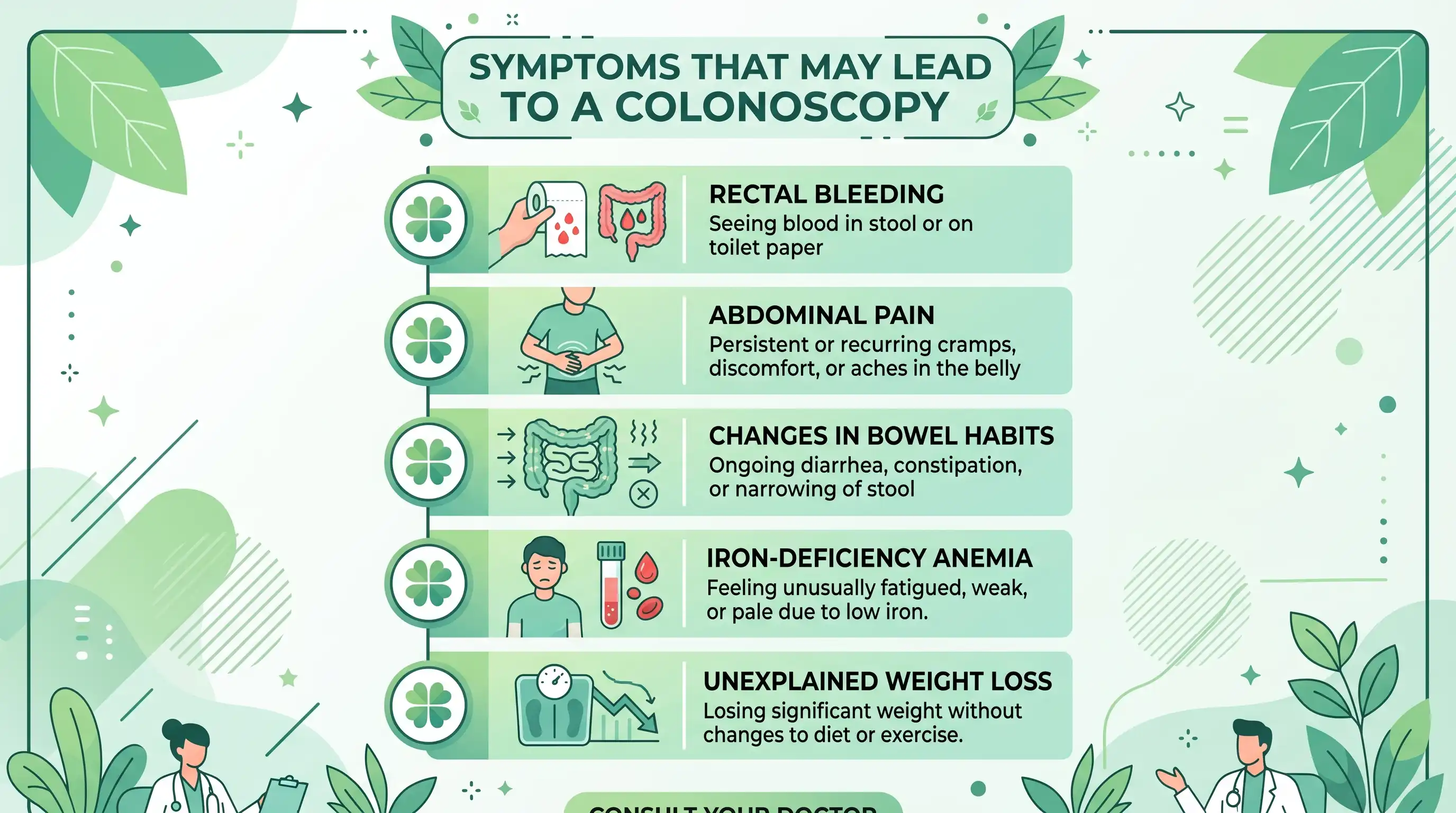
What Symptoms May Lead to a Colonoscopy?
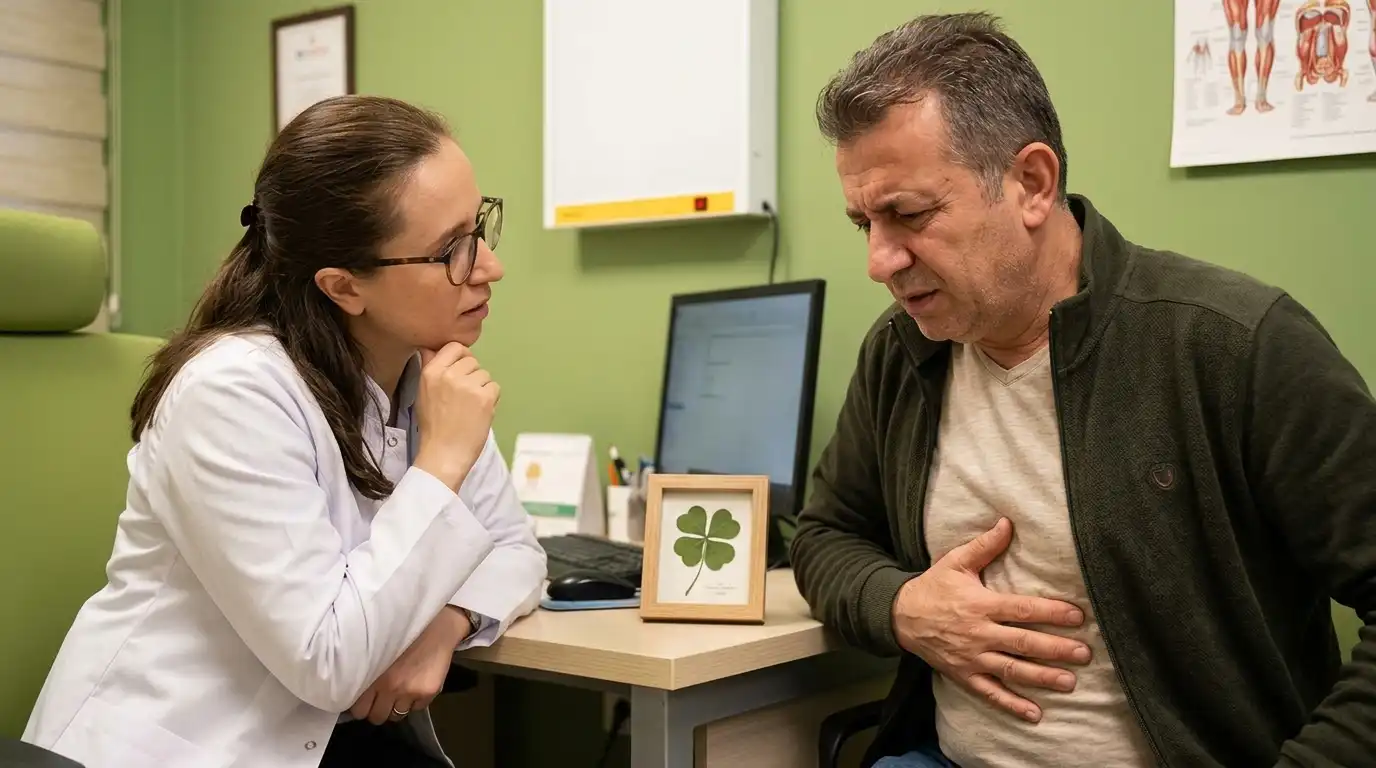
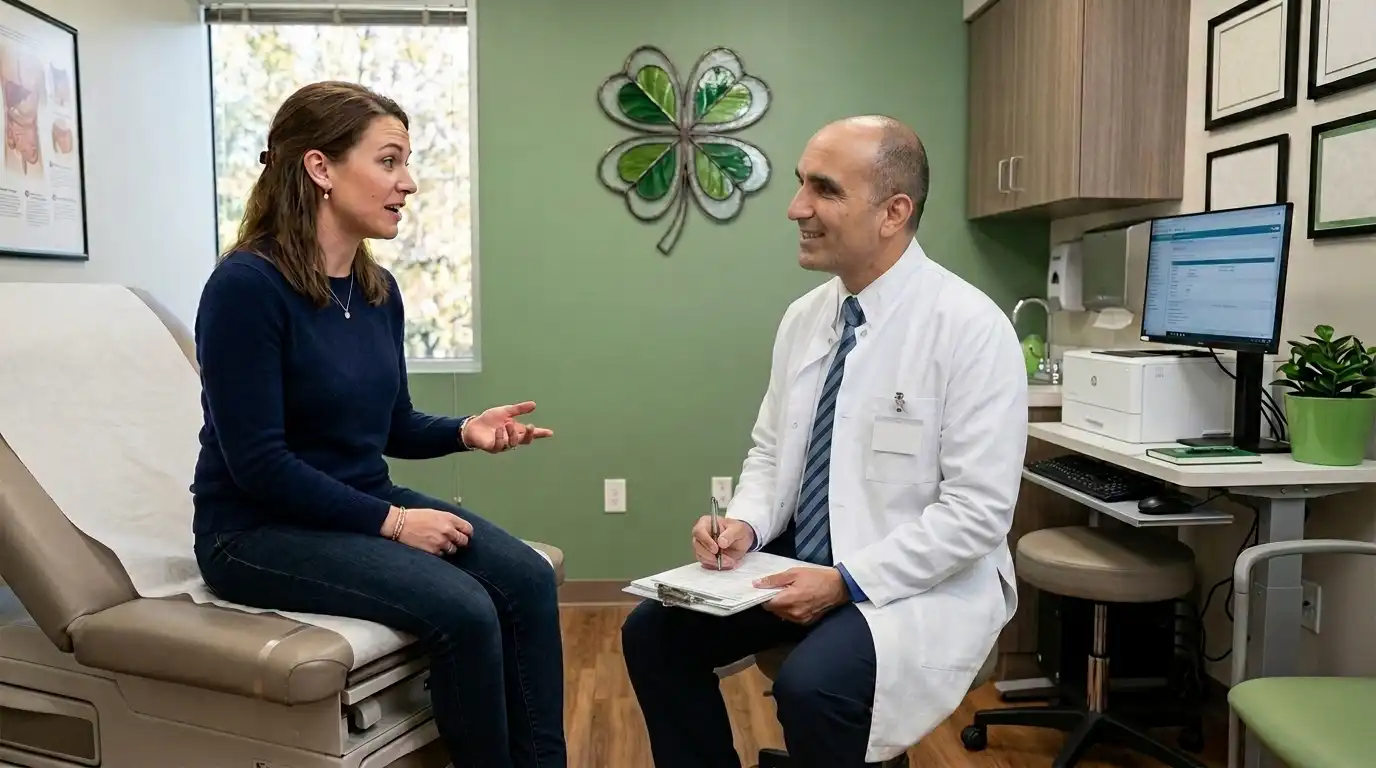
A colonoscopy may be considered when a patient has unexplained rectal bleeding, blood in the stool, persistent changes in bowel habits, ongoing abdominal pain, unexplained iron-deficiency anemia, unexplained weight loss or other concerning digestive symptoms.
These symptoms have many possible causes and do not necessarily mean cancer is present. A colonoscopy can help doctors investigate what is causing them.
This distinction is important: screening looks for disease in people without symptoms, whereas diagnostic testing investigates an existing symptom or abnormal finding.
What If Colon Cancer Runs in Your Family?
Family history can change the screening strategy. If a parent, sibling or child has had colorectal cancer or certain types of polyps, tell your doctor the relative’s age at diagnosis and, if possible, the specific diagnosis.
Depending on the family history, doctors may recommend that colorectal screening begin earlier or be performed more frequently than for an average-risk adult. Patients with known hereditary colorectal cancer syndromes require a separate, individualized surveillance plan.
What Can a Colonoscopy Detect?
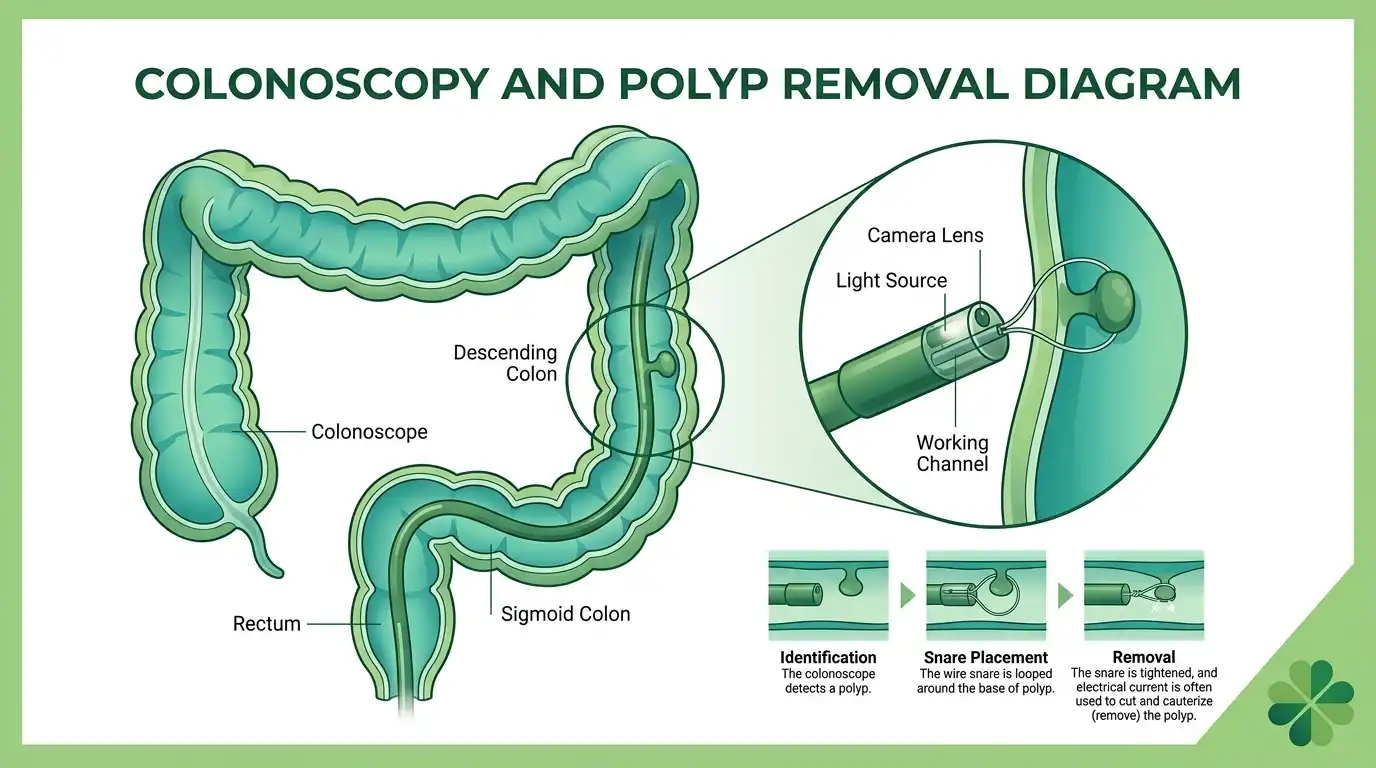
During a colonoscopy, a doctor examines the inner lining of the colon and rectum. The procedure can identify colorectal polyps, inflammation, bleeding sources and suspicious lesions. Certain polyps can be removed before they have the opportunity to develop into cancer. This ability to both detect and remove precancerous polyps is one of the reasons colonoscopy plays an important role in colorectal cancer prevention.
How Often Do You Need a Colonoscopy?
There is no single interval that applies to everyone.
For average-risk adults, screening frequency depends on which screening method is chosen. If a colonoscopy finds polyps or other abnormalities, the recommended follow-up interval may change according to the findings.
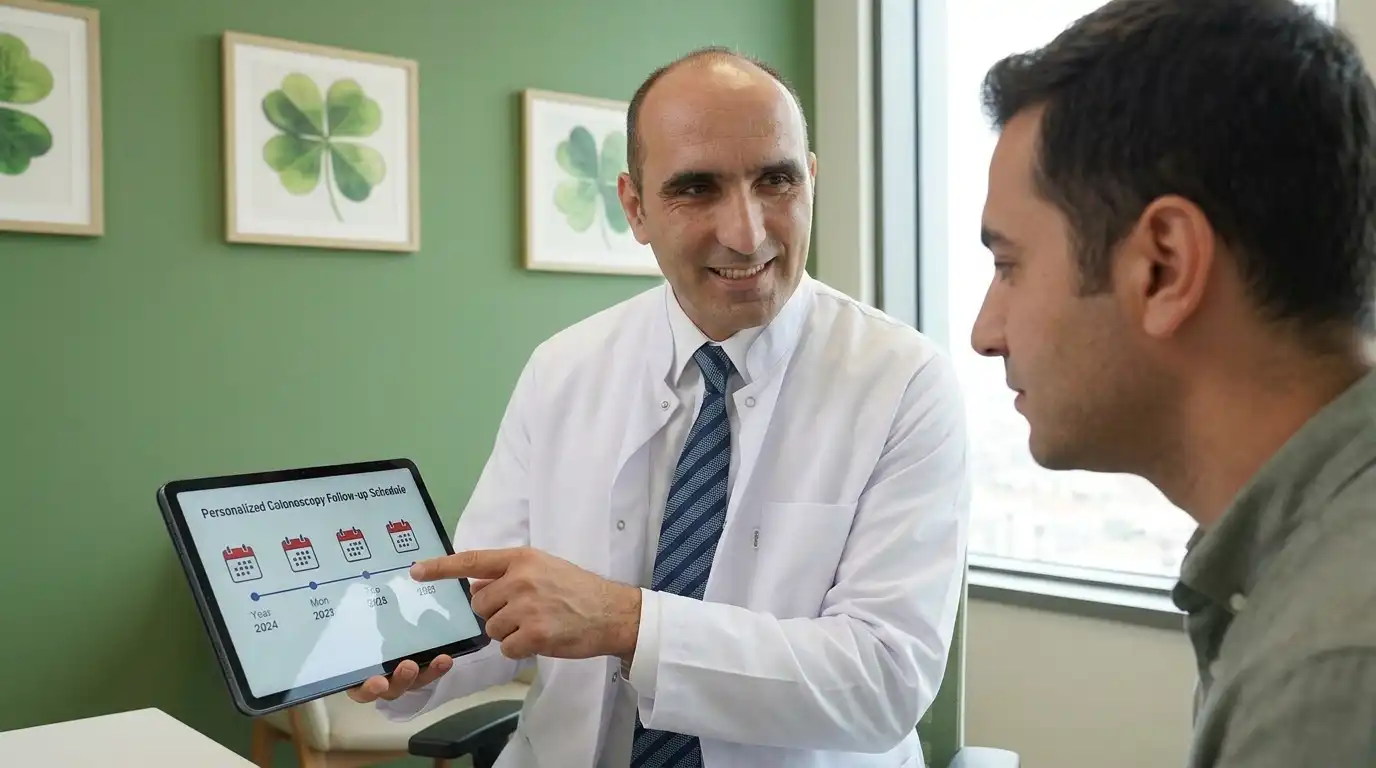
People with family history, inflammatory bowel disease, previous polyps or hereditary cancer syndromes may require more frequent surveillance. Your doctor should determine the interval based on your individual risk profile.
Don’t Wait for Symptoms to Become Severe
Colorectal cancer screening is designed to detect disease before symptoms appear. At the same time, anyone experiencing persistent rectal bleeding, unexplained anemia, abdominal pain or significant changes in bowel habits should seek medical assessment rather than waiting until routine screening age. When it comes to colon health, age matters, but symptoms and family history matter too.
BB Global Health supports international patients seeking colorectal evaluation and coordinates appointments with experienced specialists at licensed partner healthcare institutions in Istanbul.
References
- U.S. Preventive Services Task Force (USPSTF). Recommendation: Colorectal Cancer Screening — screening recommended for average-risk adults aged 45–75 and individualized decisions from 76–85.
- Centers for Disease Control and Prevention. Screening for Colorectal Cancer — screening options, colonoscopy intervals and recommendations for higher-risk individuals.
- National Cancer Institute. Screening Tests to Detect Colorectal Cancer and Polyps — available colorectal cancer screening methods and the role of colonoscopy.
- National Cancer Institute. Colorectal Cancer Screening — explanation of colonoscopy and removal of polyps or tissue samples during the procedure.
- CDC. Talking With Your Doctor About Colorectal Cancer Screening — symptoms that may require medical assessment regardless of routine screening age.