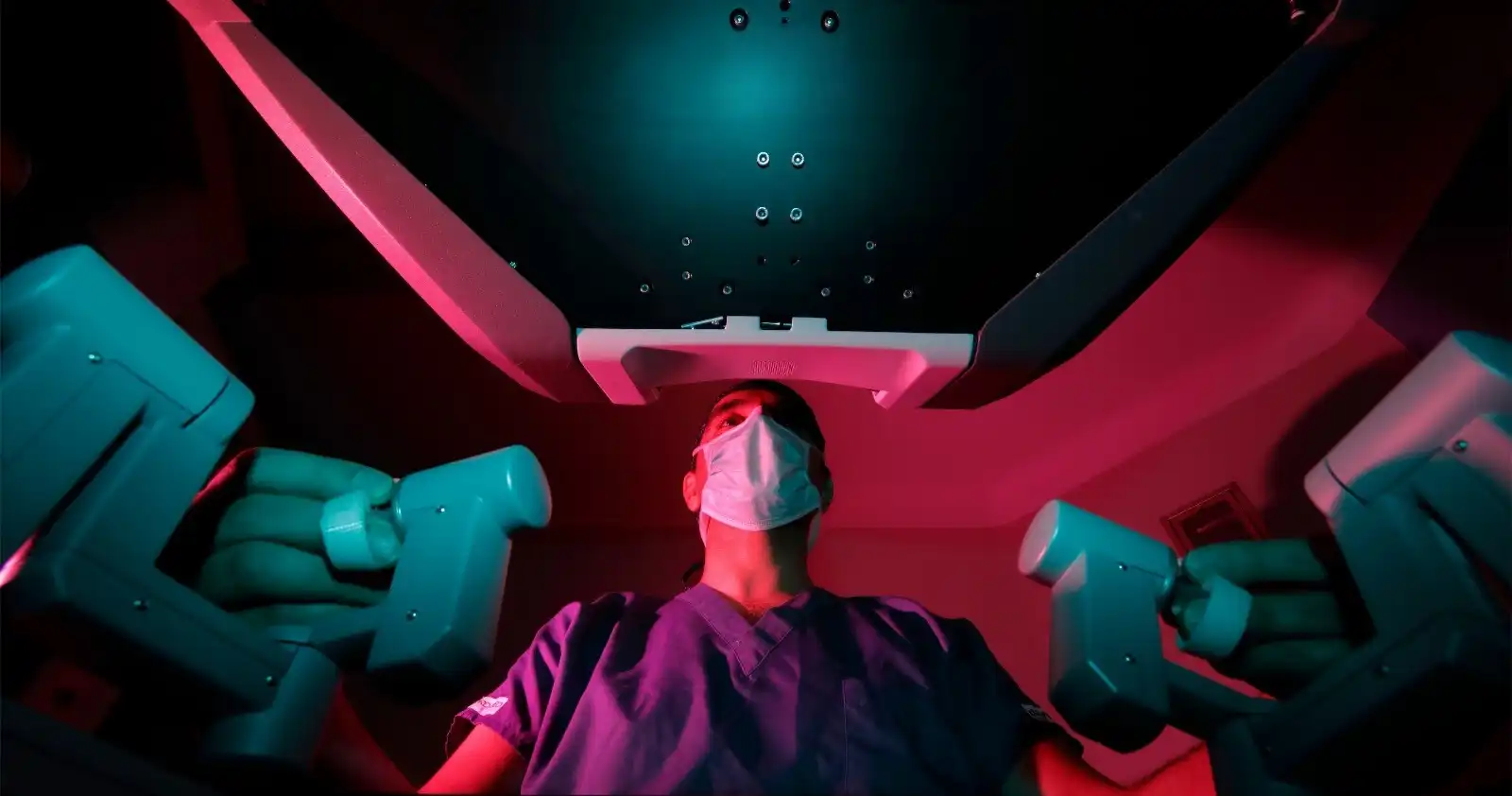
A Revolution in Modern Medicine
Robotic surgery represents one of the most significant technological leaps in modern surgical practice. Unlike traditional approaches that rely solely on the surgeon’s hands, robotic systems provide high-definition 3D visualization and precision control mechanisms that extend what a surgeon can see and do. This means complex procedures that once required large incisions and lengthy recovery can now be performed through a minimally invasive approach, delivering safer outcomes and a better overall experience for patients.
Key Advantages of Robotic Surgery
Superior Surgical Precision
One of the most remarkable features of robotic surgery is its ability to filter and refine the surgeon’s hand movements. The system eliminates natural tremors and can scale motions so that a large hand movement translates into a tiny, precise instrument movement. This submillimeter control becomes especially valuable when operating in narrow, difficult-to-reach areas where even the most experienced surgeon faces physical limitations. The result is cleaner dissection, less tissue trauma, and better preservation of surrounding structures.
Faster Recovery and Less Pain
Because robotic surgery requires only a few small incisions rather than a large opening, patients consistently report less postoperative pain and a quicker return to daily life. Most patients need fewer pain medications and find they can resume walking, eating, and normal activities significantly sooner than with open surgery. This faster recovery translates directly into shorter hospital stays, which benefits both patient comfort and overall healthcare costs.

Minimal Scarring and Lower Infection Risk
The small incisions used in robotic procedures leave scars that are barely noticeable once healed. Beyond the cosmetic benefit, smaller wounds mean a lower risk of surgical site infections and reduced blood loss during the operation. For many patients, especially those undergoing abdominal or pelvic surgery, this difference can be transformative in how they feel about their surgical experience.
Where Robotic Surgery Makes the Biggest Difference
Robotic technology has proven its value across many specialties. In oncological surgery, it enables precise tumor removal in colorectal, prostate, and gastric cancers while preserving healthy tissue. Urologists use it for prostatectomies and kidney procedures where nerve preservation directly affects quality of life. Gynecologists rely on it for complex hysterectomies and myomectomies. Even cardiac surgeons now perform mitral valve repairs robotically, avoiding the need to open the chest.
The Future of Surgery
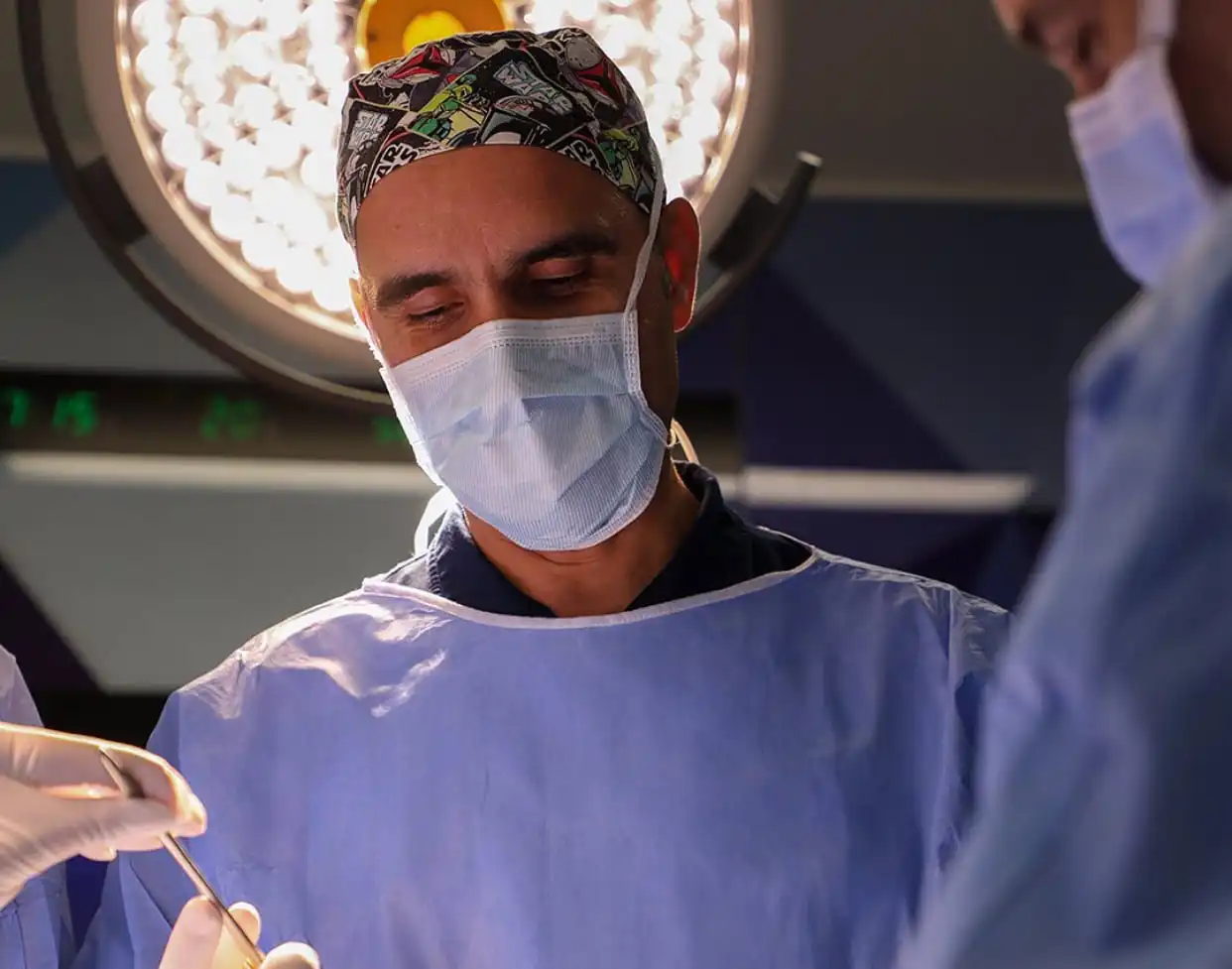
Robotic surgery continues to evolve rapidly, with each new generation of systems offering better visualization, smaller instruments, and more intuitive controls. What makes this technology truly transformative is not the machine itself but how it extends the surgeon’s capabilities, making previously impractical or impossible procedures routine. As the technology advances, more patients will benefit from shorter recovery times, fewer complications, and better surgical outcomes.
For more information, visit our contact page or learn about our robotic surgery services.