Why One Treatment Plan Does Not Fit All
Modern oncology offers more treatment options than ever before. Surgery, chemotherapy, radiation therapy, immunotherapy, and targeted treatments have all advanced significantly, giving doctors a wider range of tools to fight cancer. International treatment guidelines help organize these options into evidence-based recommendations, and they serve as an excellent starting point for clinical decision-making.
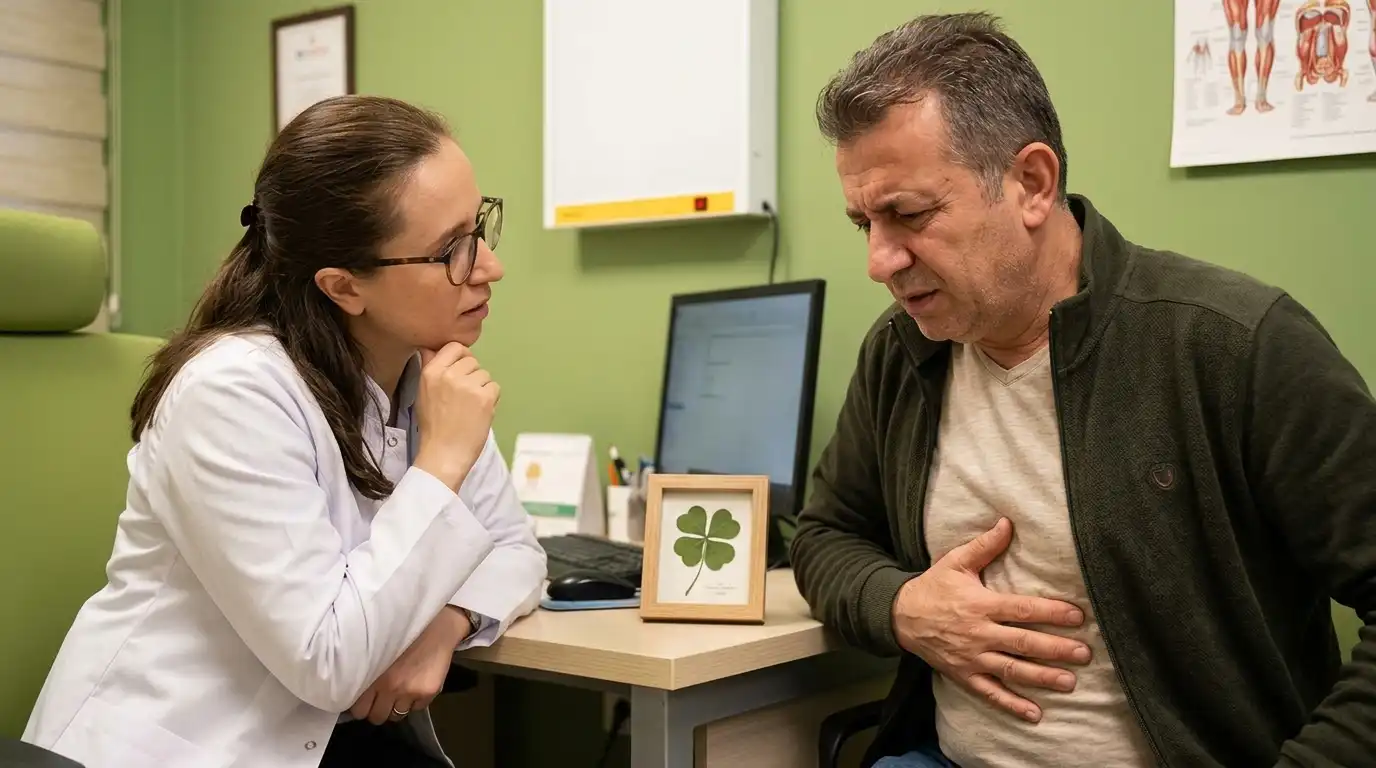
However, guidelines are designed for populations, not individuals. Two patients with the same type and stage of cancer may respond very differently to the same treatment. Age, overall health, genetic profile, prior medical history, and personal preferences all influence which approach is most appropriate. This is where personalized cancer treatment comes into play, and at the heart of personalized treatment planning is a process called the tumor board.

What a Tumor Board Actually Does
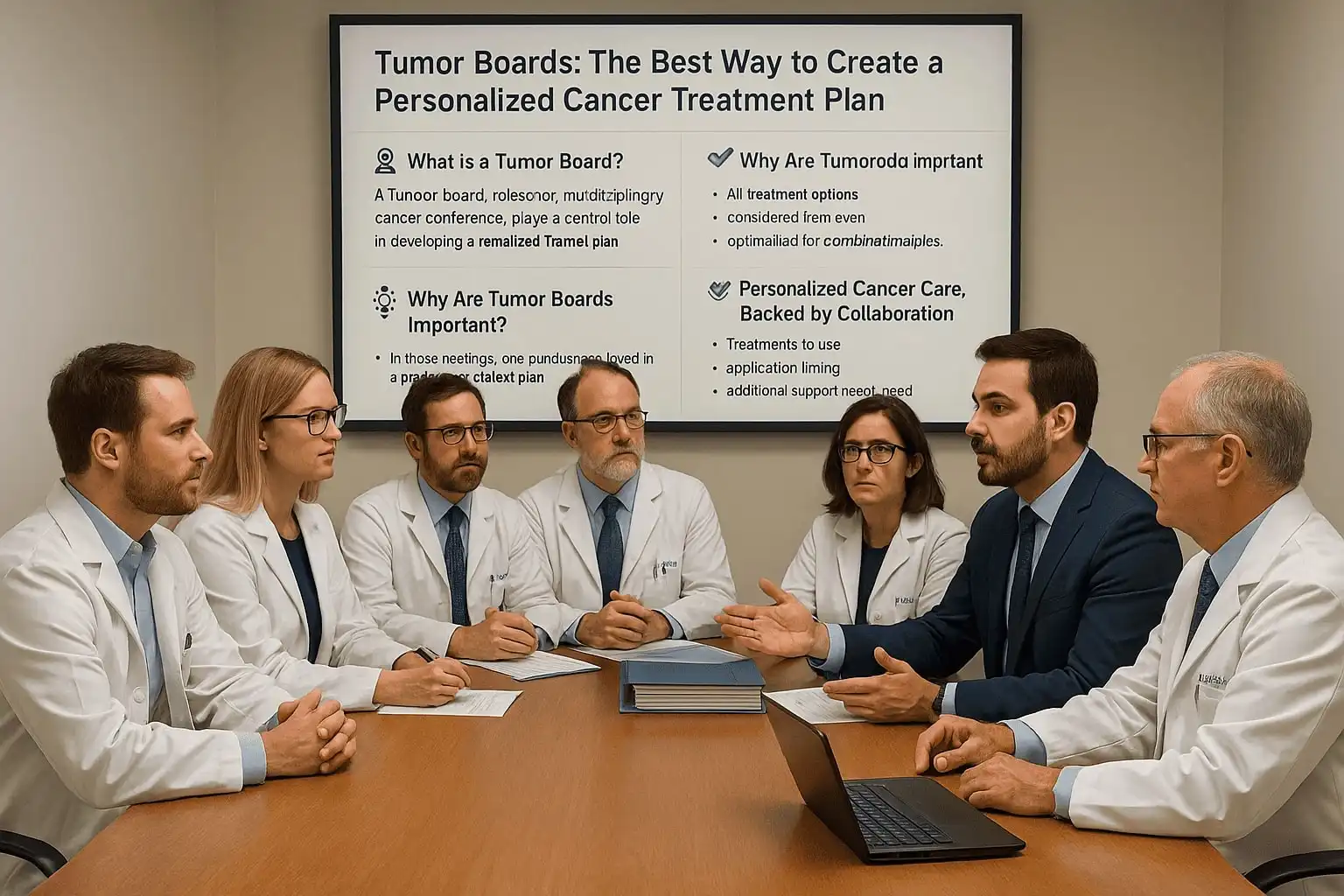
A tumor board, also referred to as a multidisciplinary cancer conference, is a structured meeting where specialists from every discipline involved in cancer care come together to discuss individual patient cases. The team typically includes surgeons, medical oncologists, radiation oncologists, radiologists, and pathologists, and may also involve nutritionists, psychologists, and genetic counselors depending on the complexity of the case.
During the meeting, the patient’s complete medical picture is presented. Imaging studies are reviewed, pathology results are analyzed, and the patient’s overall health status and treatment goals are discussed openly. The team then works through the available evidence together to arrive at a consensus recommendation. This process ensures that the treatment plan reflects the collective expertise of multiple specialists rather than the opinion of a single doctor.
Why This Matters for Patients
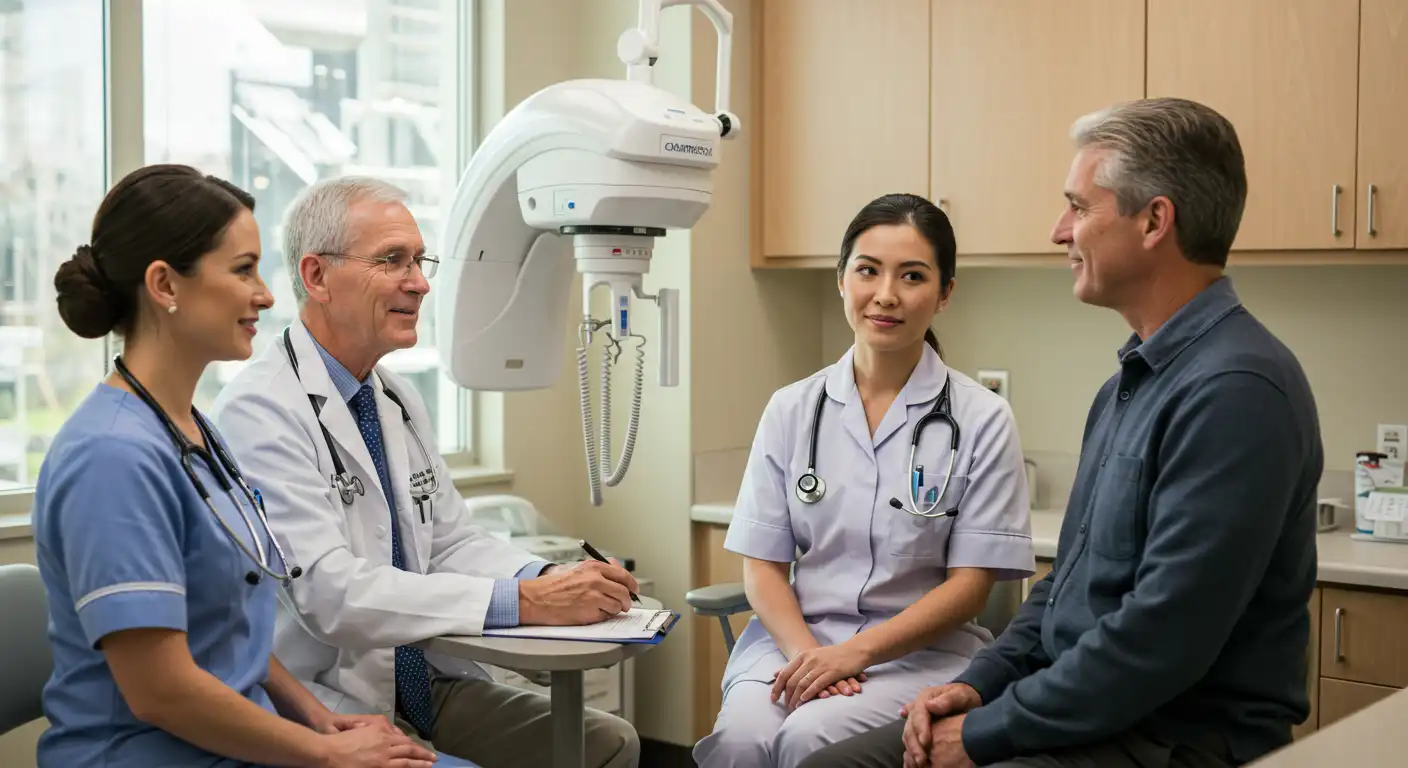
For someone facing a cancer diagnosis, knowing that their case has been reviewed by a full team of specialists provides reassurance that goes beyond what a single consultation can offer. Tumor boards help ensure that no reasonable treatment option is overlooked, that the sequence of therapies is optimized, and that the plan makes sense not only on paper but in the context of the patient’s actual life.
Tumor board recommendations are based on a combination of published evidence and real-world clinical experience. This balance between research data and practical know-how is one of the most valuable aspects of the process. A treatment that looks ideal in a clinical trial may not be the best choice for a patient with other medical conditions or limited access to supportive care, and the tumor board is designed to catch those nuances.
What Happens After the Tumor Board
Once the discussion is complete, the team reaches a consensus on the recommended treatment pathway. This includes which treatments to use, in what order, and over what timeframe. The plan is then communicated to the patient and their primary physician, along with the reasoning behind the recommendations.
The tumor board also identifies any additional support the patient may need, such as nutritional counseling, psychological support, or rehabilitation services. This holistic approach recognizes that effective cancer treatment goes beyond the operating room or the chemotherapy chair, and that supporting the whole person improves both outcomes and quality of life.
For more information about multidisciplinary cancer care and surgical oncology in Turkey, contact our team or learn more about our cancer surgery services.