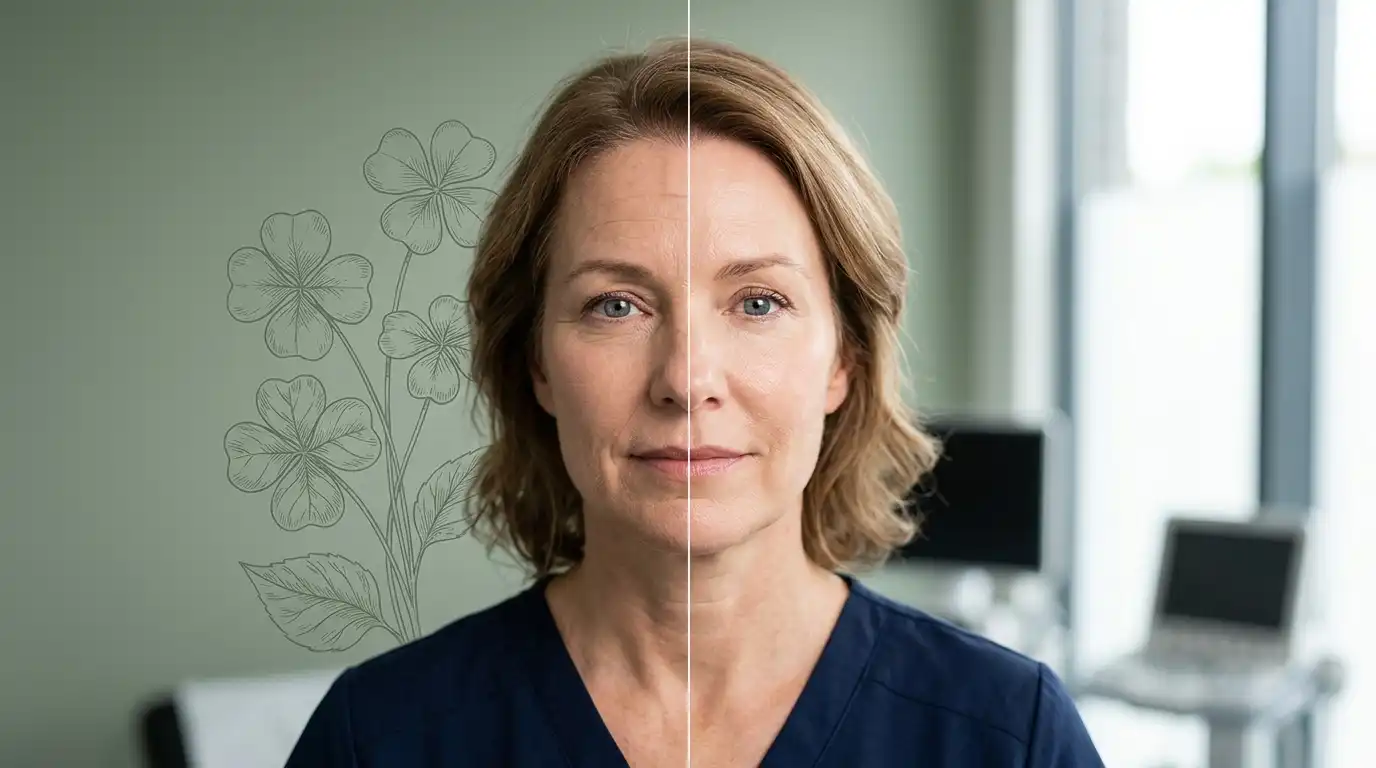
At What Age Should You Consider a Facelift?
One of the most common questions patients ask is simple: “What is the right age for a facelift?”
The answer, however, is not as straightforward as a number. A facelift is not determined by age alone, but by the condition of the skin, facial structure, and the changes that occur over time.
Understanding when to consider a facelift requires looking beyond age and focusing on individual needs.

It’s Not About Age, It’s About Facial Changes
While many patients begin to consider a facelift in their 40s or 50s, the real deciding factor is not age, but the degree of visible aging.
Over time, the face undergoes natural changes such as:
- Loss of skin elasticity
- Sagging in the jawline and neck
- Deepening of facial folds
- Volume loss in key areas
These changes vary from person to person. Some individuals may notice them earlier, while others experience them later.
Your 40s: Early Signs of Aging
In the 40s, patients often begin to notice mild skin laxity and early sagging. At this stage, non-surgical treatments may still provide temporary improvement.
However, for some patients, especially those with more noticeable changes, an early surgical approach may offer more natural and longer-lasting results compared to repeated non-surgical procedures.
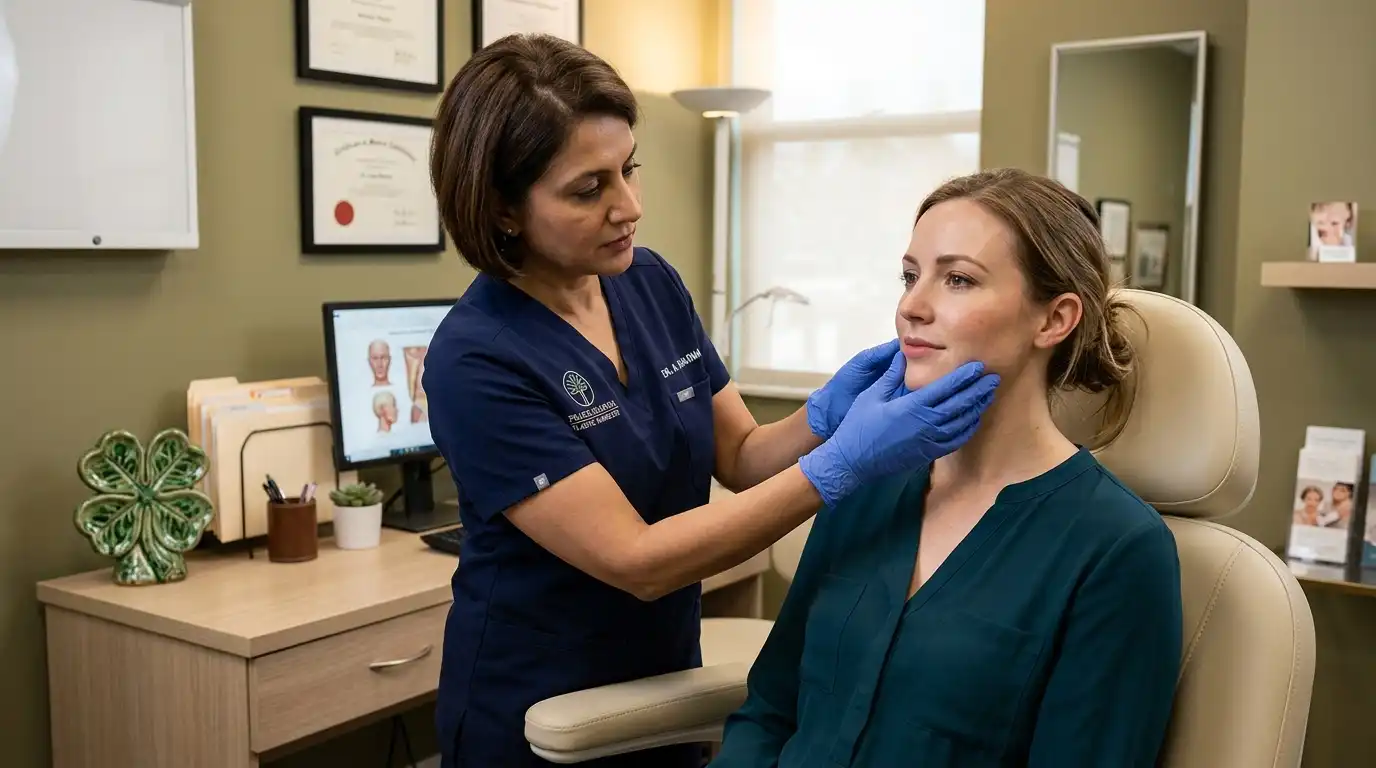
Your 50s: The Most Common Time
The 50s are often considered the most common age range for facelift procedures. By this time, skin laxity and structural changes become more pronounced.
A facelift performed at this stage can:
- Restore facial contours
- Improve jawline definition
- Create natural, refreshed results
Importantly, results tend to look more subtle and natural when surgery is performed before aging becomes too advanced.
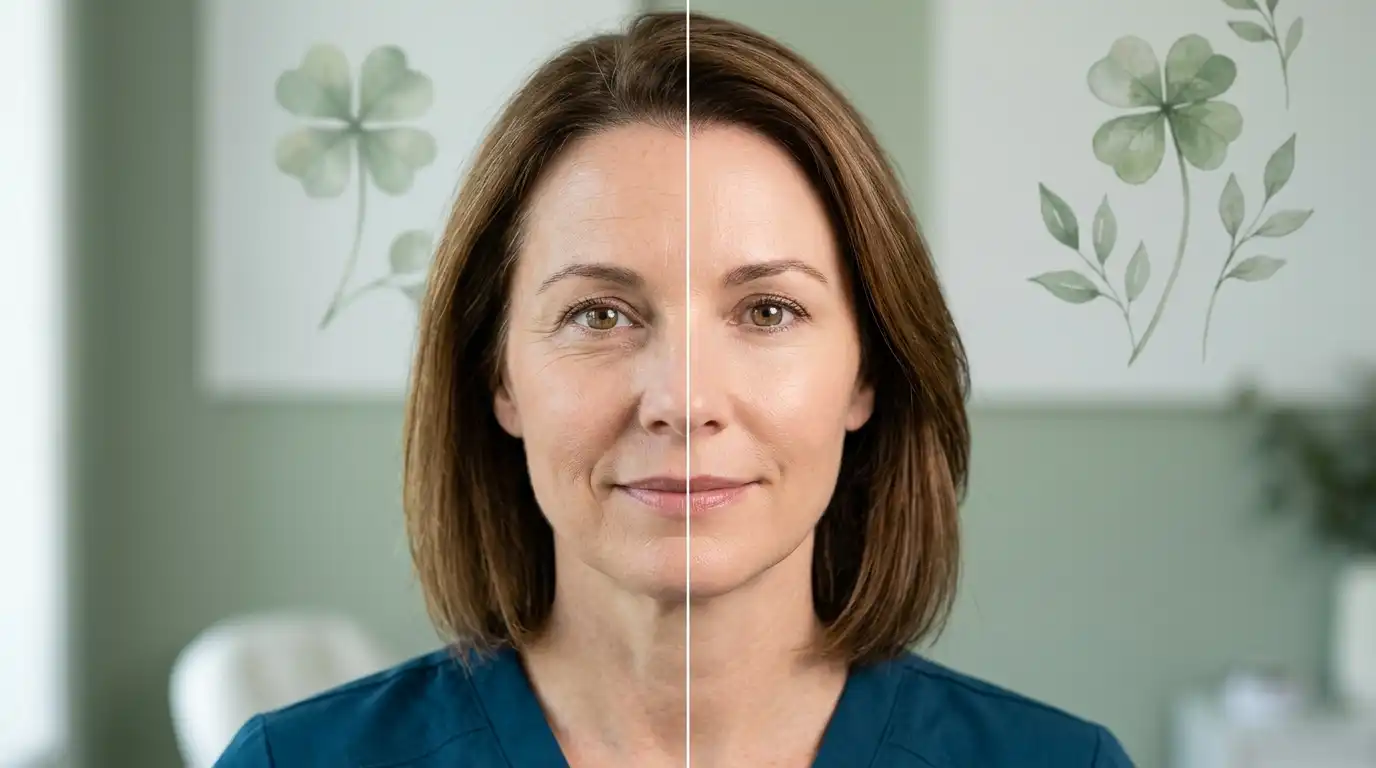
Your 60s and Beyond: Still an Option
Facelift surgery can also be successfully performed in the 60s or later, provided the patient is in good overall health.
At this stage, results can still be significant. However, recovery may take slightly longer, and surgical planning becomes even more important to achieve balanced and natural outcomes.
Early vs Delayed Surgery: What to Consider
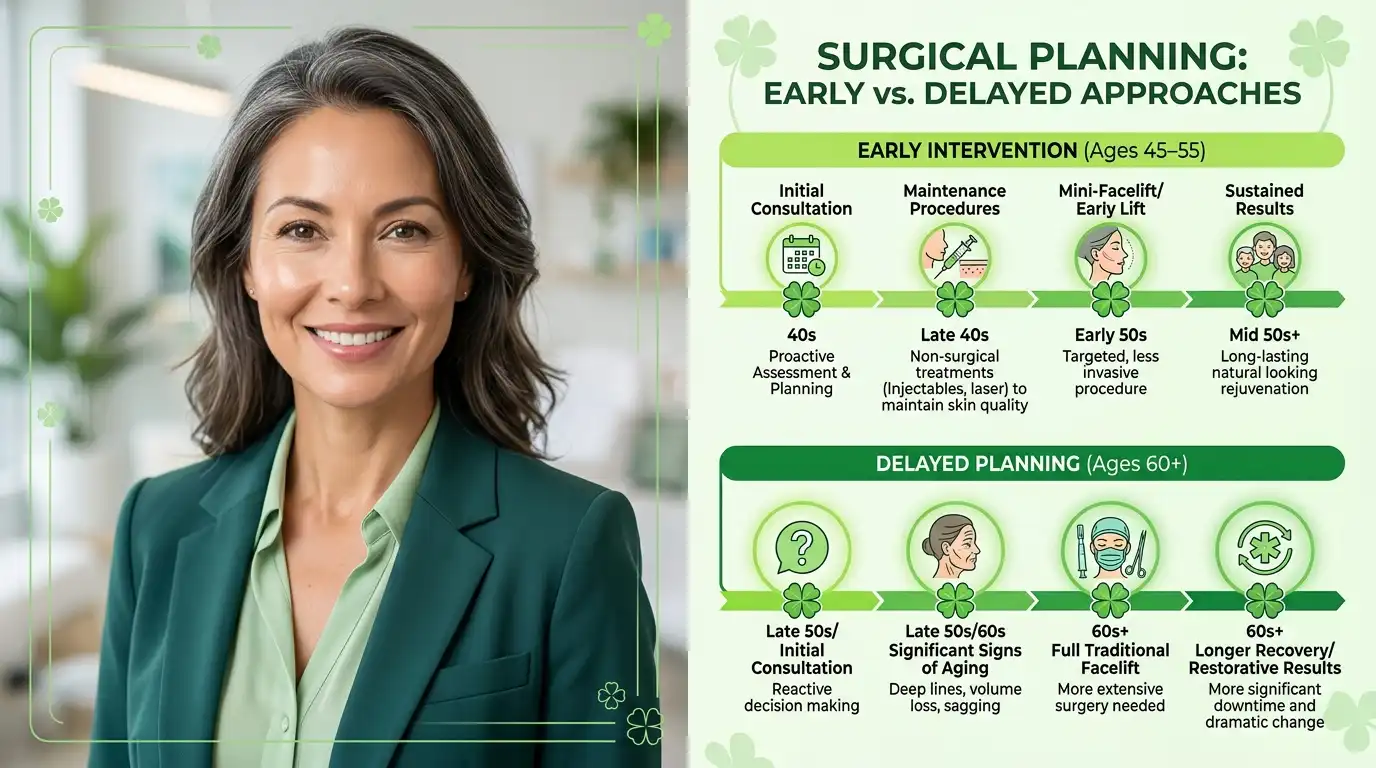
Many patients wonder whether they should act early or wait longer.
Choosing to have a facelift earlier may allow for:
- More natural-looking results
- Less extensive surgical correction
- Easier recovery
On the other hand, waiting longer may mean:
- More advanced skin laxity
- More complex procedures
- More noticeable changes
The key is finding the right timing based on individual facial changes rather than age alone.
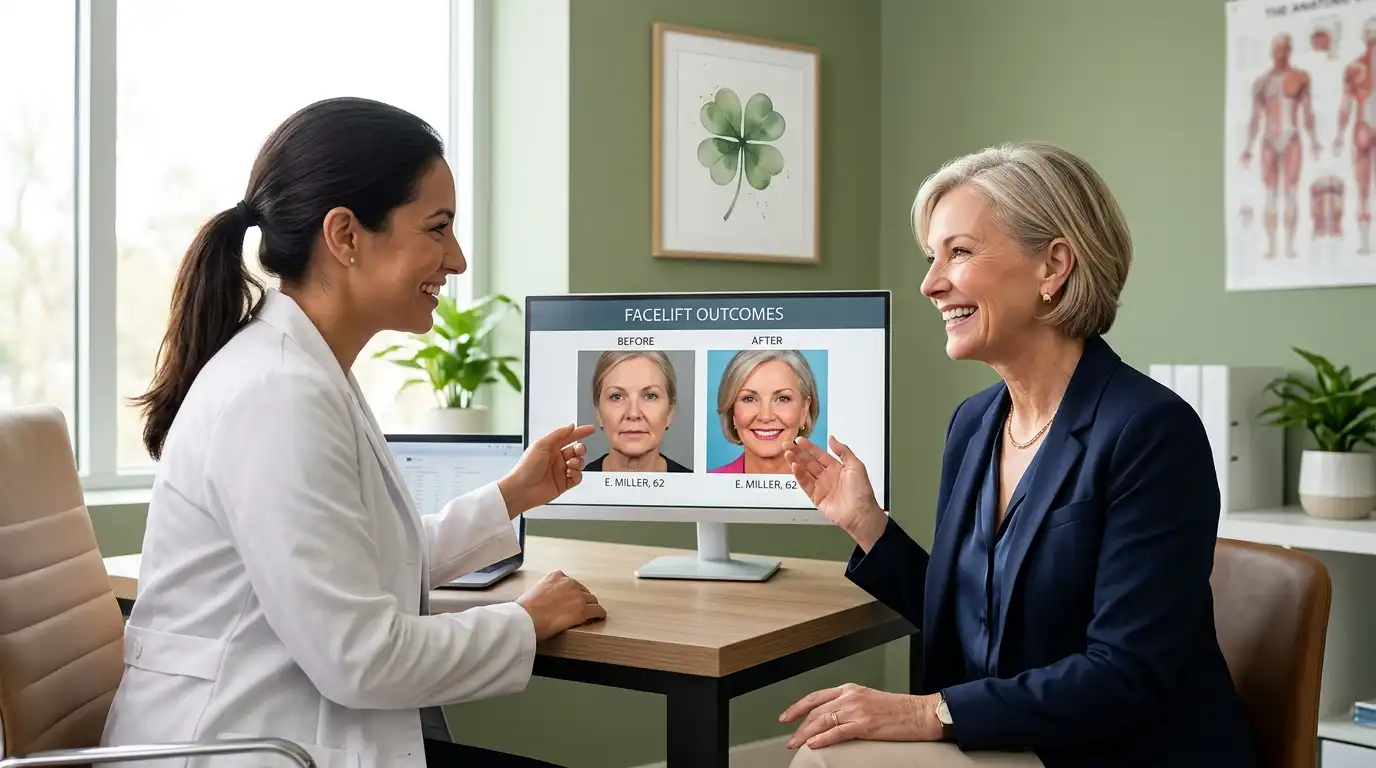
The Importance of Personalized Evaluation
There is no “perfect age” for a facelift. The right time is when:
- Facial changes begin to affect your appearance and confidence
- Non-surgical options no longer provide desired results
- You are medically suitable for surgery
A detailed consultation helps determine the most appropriate timing and treatment approach.
A Personalized Approach with BB Global Health

At BB Global Health, each patient is evaluated individually to determine the most suitable treatment plan.
By working with experienced surgeons and internationally accredited hospitals, the focus is always on achieving natural, balanced, and safe results.
If you are considering a facelift and wondering whether it is the right time, a professional evaluation is the first step.