
**Why Is the Gut Called the Second Brain? The Gut-Brain
Many people think of the gut only as the place where food is digested. But the intestine does much more than break down meals. It communicates with the brain, influences appetite, affects mood, and plays an important role in overall health.
This is why the gut is often called the “second brain.”
Understanding the gut-brain connection can help explain why digestion, emotions, cravings, and weight management are more connected than many people realize.
What Does “Second Brain” Mean?
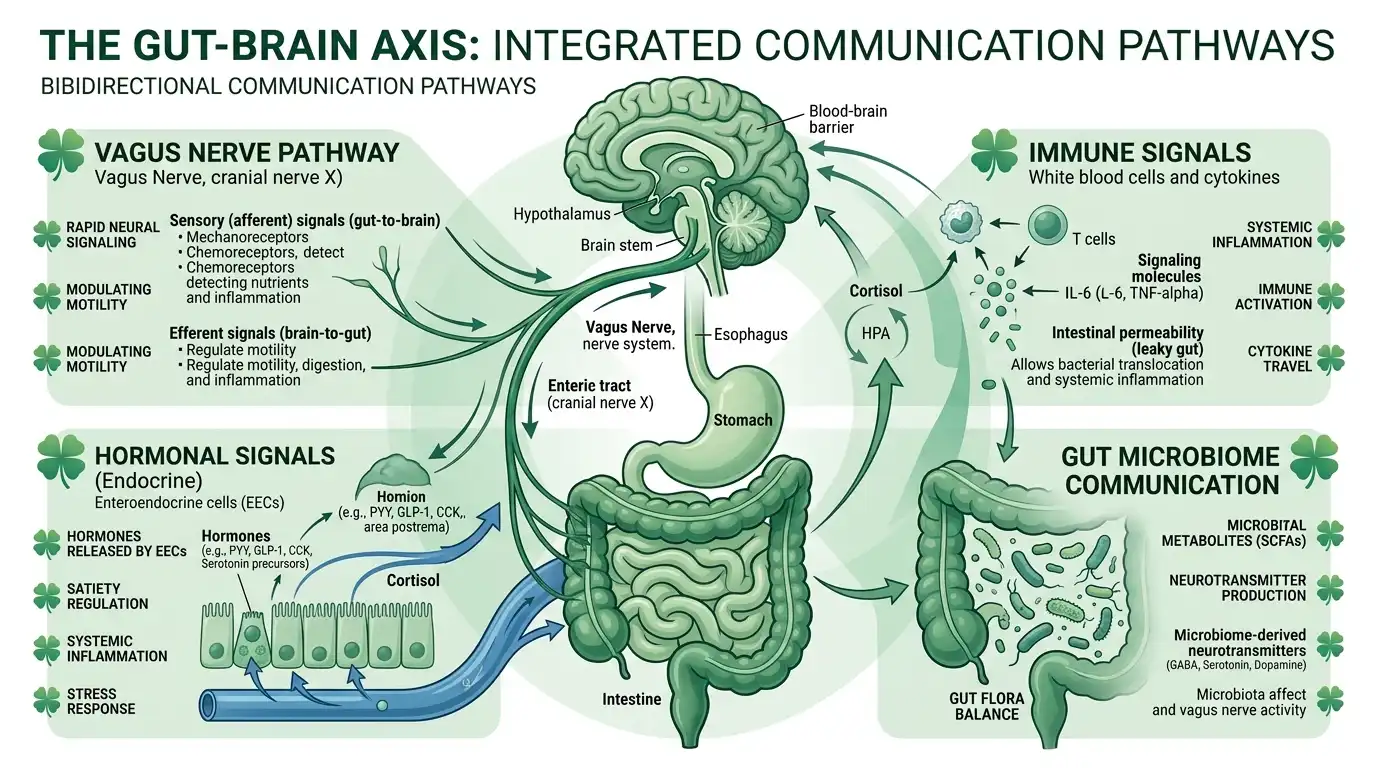
The gut has its own complex network of nerves, known as the enteric nervous system. This system helps control digestion, bowel movements, enzyme secretion, and communication between the gut and the brain.
Although the gut does not “think” like the brain, it sends constant signals to the central nervous system. These signals can influence hunger, fullness, stress response, mood, and digestion.
In simple terms, your gut and brain are always talking to each other.
What Is the Gut-Brain Axis?
The gut-brain axis is the communication pathway between the digestive system and the brain. This communication happens through nerves, hormones, immune signals, and gut bacteria.
One of the most important connections is the vagus nerve, which carries signals between the gut and the brain. Through this pathway, changes in the digestive system can affect how we feel, how hungry we are, and how the body responds to food.
This is one reason why stress can affect digestion, and digestive problems can sometimes affect mood.
How the Gut Affects Hunger and Fullness
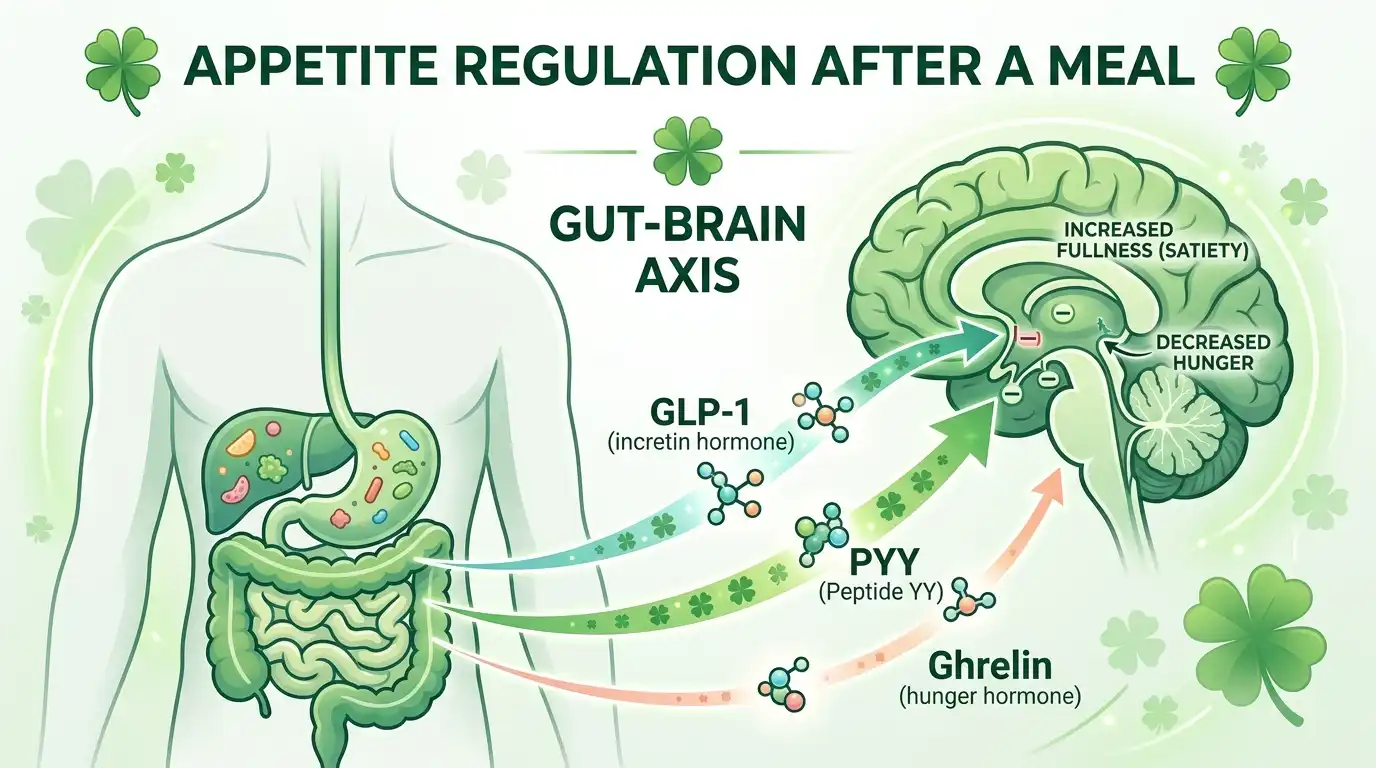
The gut plays a major role in appetite regulation. After eating, the digestive system releases hormones that send messages to the brain about hunger and fullness.
Hormones such as ghrelin, GLP-1, and peptide YY help regulate appetite, digestion, and blood sugar response. When these signals are balanced, the body can better recognize when it is hungry and when it is full.
However, in some patients with obesity or metabolic problems, these signals may not work as effectively. This can make hunger feel stronger, fullness feel delayed, or cravings more difficult to control.
The Gut, Cravings, and Emotional Eating
The gut-brain connection also helps explain why eating is not always about physical hunger.
Stress, emotions, sleep problems, and daily habits can affect appetite and cravings. For example, some people may crave high-calorie foods during stressful periods, even when they are not physically hungry.
This does not mean the person lacks willpower. It means appetite and eating behavior are influenced by a complex system involving the brain, gut, hormones, and emotions. Understanding this connection is an important step in treating obesity more effectively.

Gut Health and Weight Management
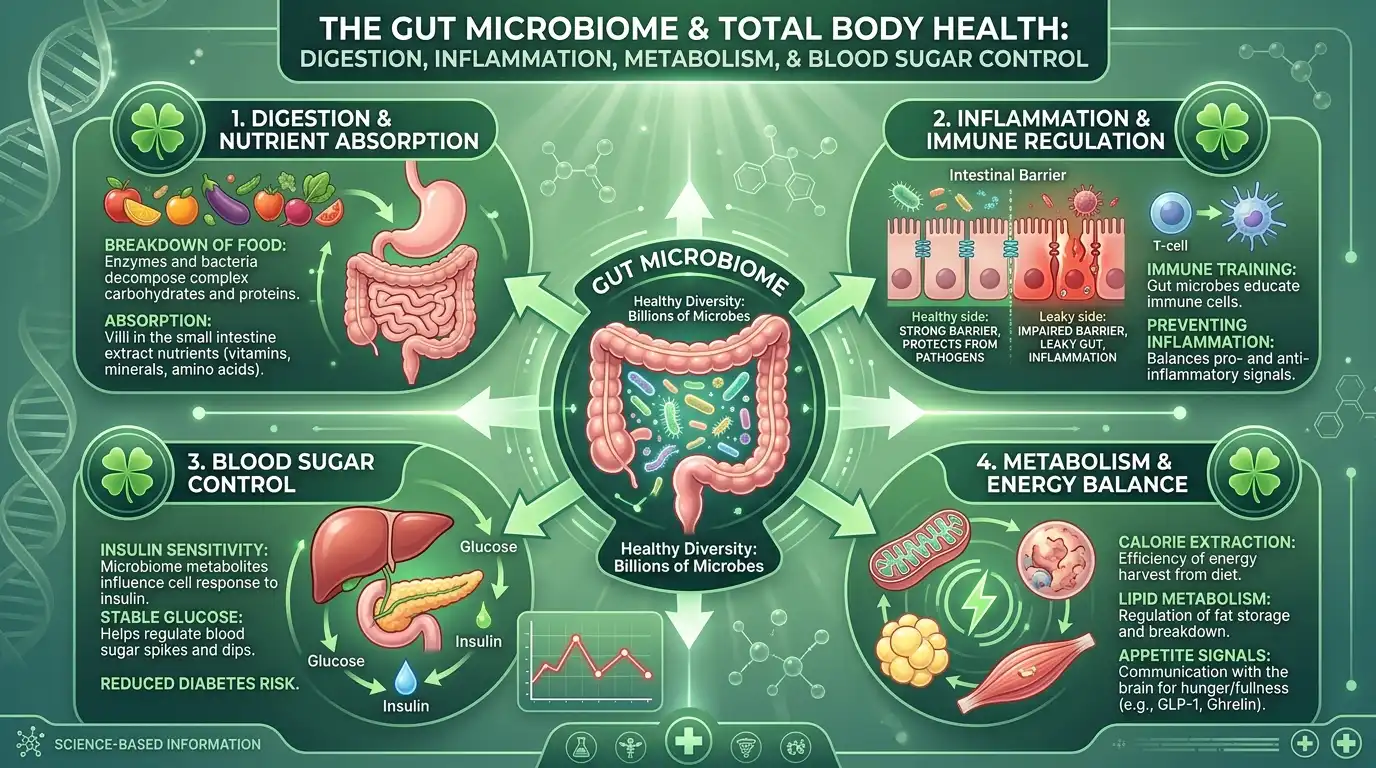
Gut health can influence digestion, inflammation, blood sugar control, appetite, and metabolism. The gut microbiome, the community of bacteria living in the digestive system, may also play a role in how the body processes food and stores energy.
While gut health alone does not determine weight, it is part of the larger picture. For patients struggling with weight loss, looking only at calories may not be enough. A proper evaluation should also consider metabolism, insulin resistance, appetite regulation, lifestyle, sleep, stress, and digestive health.
How Bariatric Surgery Affects Gut Signals
Bariatric surgery is often described as weight loss surgery, but it also affects the body’s hormonal and metabolic systems.
Procedures such as gastric sleeve and gastric bypass can influence hunger hormones, fullness signals, gut hormone release, and blood sugar control. This is why many patients experience changes in appetite after surgery.
For example, sleeve gastrectomy may reduce ghrelin levels, which can help decrease hunger. Gastric bypass may also affect gut hormone responses and improve metabolic regulation in selected patients.
This is why bariatric surgery is not simply about making the stomach smaller. It can also change how the gut communicates with the brain.

A Whole-Body Approach with BB Global Health
At BB Global Health, obesity treatment begins with a detailed evaluation, not assumptions. By looking at metabolic health, medical history, eating patterns, obesity-related conditions, and long-term goals, patients can receive a treatment plan that is more suitable for their individual needs.
The goal is not only weight loss, but better long-term health, safer decision-making, and sustainable results.