Is Surgery Abroad Safe? What Patients Should Check Before Traveling
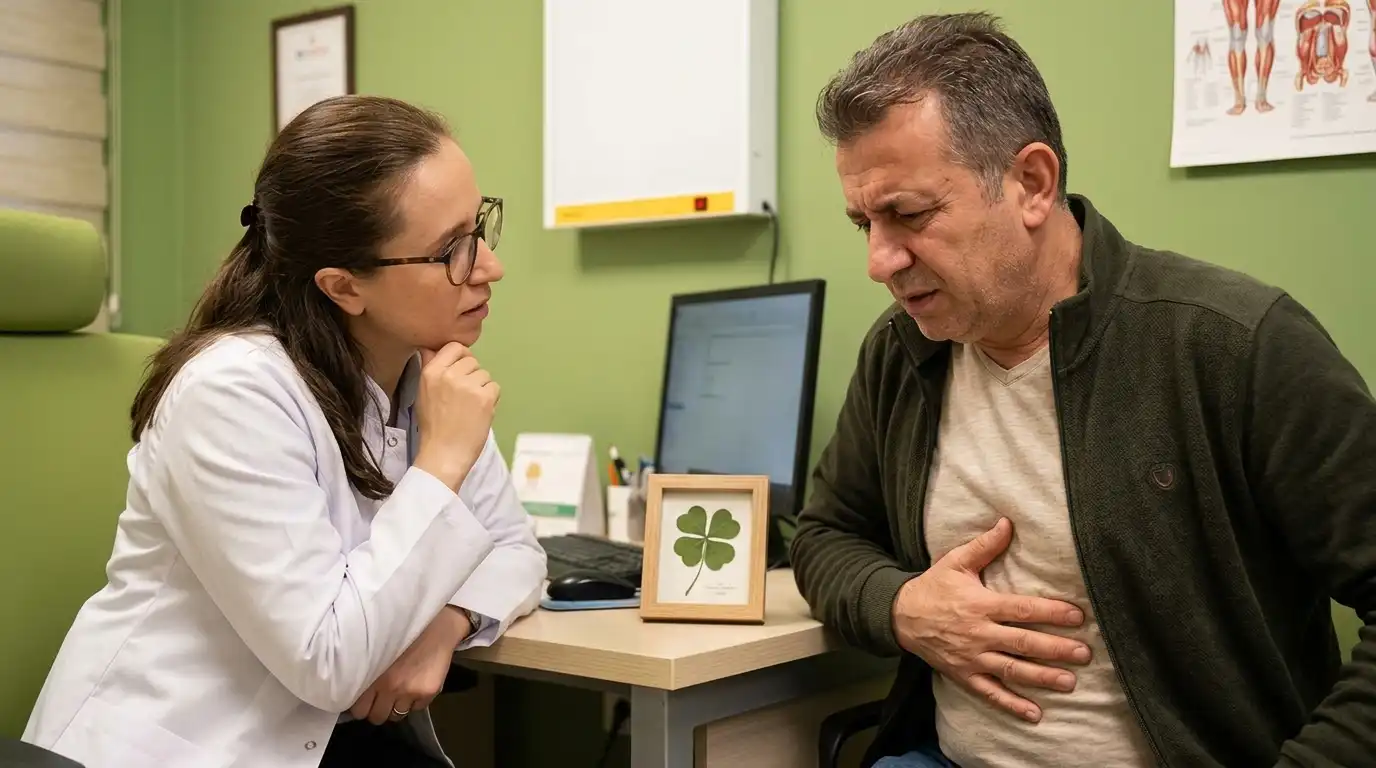
Traveling abroad for medical treatment has become increasingly common, especially for patients seeking faster access to care, experienced specialists, advanced hospital facilities, or more affordable treatment options. However, one question remains at the center of every decision: Is surgery abroad safe?
The answer depends on how carefully the process is planned. Surgery abroad can be safe when patients choose the right medical team, hospital, and support system. But it can also carry risks if decisions are made too quickly or based only on price.
Before traveling for surgery, patients should know what to check, what questions to ask, and how to make an informed decision.
Why Do Patients Choose Surgery Abroad?
Many international patients consider treatment abroad because waiting times in their home countries can be long, costs may be high, or access to specific specialists may be limited.
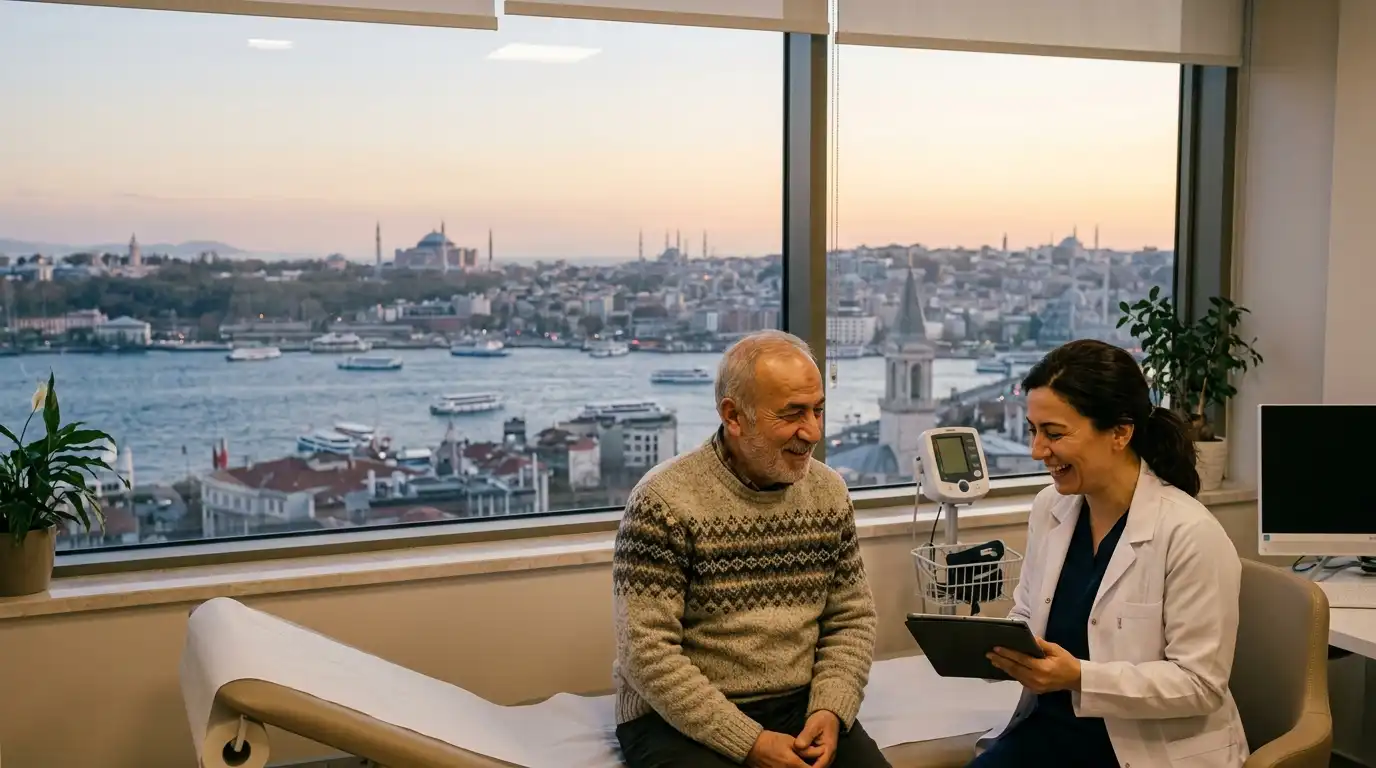
Countries such as Türkiye have become popular destinations for international healthcare because of experienced physicians, modern hospitals, advanced medical technology, and structured international patient services.
However, medical travel is not only about booking a surgery. It requires careful evaluation, correct timing, safe hospital conditions, and proper follow-up planning.
Check the Hospital and Medical Facility
One of the most important factors in surgery abroad is where the procedure will be performed.
Patients should always check whether the hospital or medical facility follows recognized safety standards and has the necessary authorization to treat international patients. The CDC recommends that patients seeking care abroad consider institutions accredited by recognized international bodies and coordinate follow-up care before traveling.
A safe hospital environment should include proper infection control, emergency readiness, qualified medical teams, and modern surgical infrastructure.
This is especially important because complications, although rare, can happen during or after any surgical procedure. Choosing a hospital with proper medical systems in place helps reduce risk and improves patient safety.

Research the Doctor’s Experience
The experience of the surgeon matters as much as the hospital itself.
Before traveling, patients should ask about the doctor’s qualifications, specialty, surgical experience, and how often they perform the procedure being considered. A surgeon who regularly performs a specific operation is more likely to understand the details, risks, and patient selection criteria.
Patients should also feel comfortable asking questions. A trustworthy medical team should be willing to explain the procedure, expected results, recovery process, possible risks, and alternative options.
Do Not Choose Based on Price Alone
Cost is one of the reasons many patients consider treatment abroad, but it should never be the only deciding factor. Very low prices may sometimes mean that important parts of the process are missing, such as detailed evaluation, hospital safety standards, postoperative care, or proper follow-up. In surgery, the cheapest option is not always the safest one.
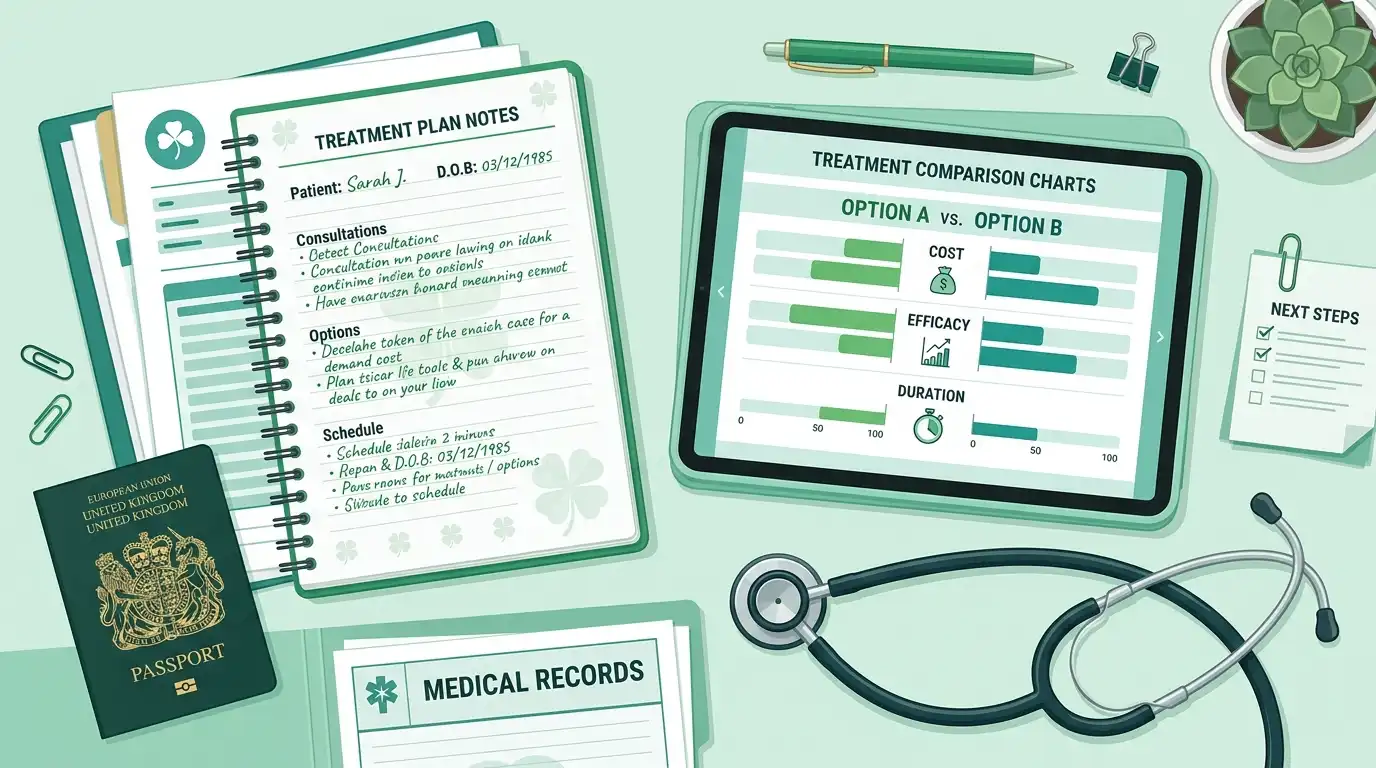
Patients should compare the full treatment journey, not only the procedure fee. This includes consultation, diagnostic tests, hospital care, anesthesia, surgeon experience, recovery planning, communication support, and follow-up.
Ask About Preoperative Evaluation
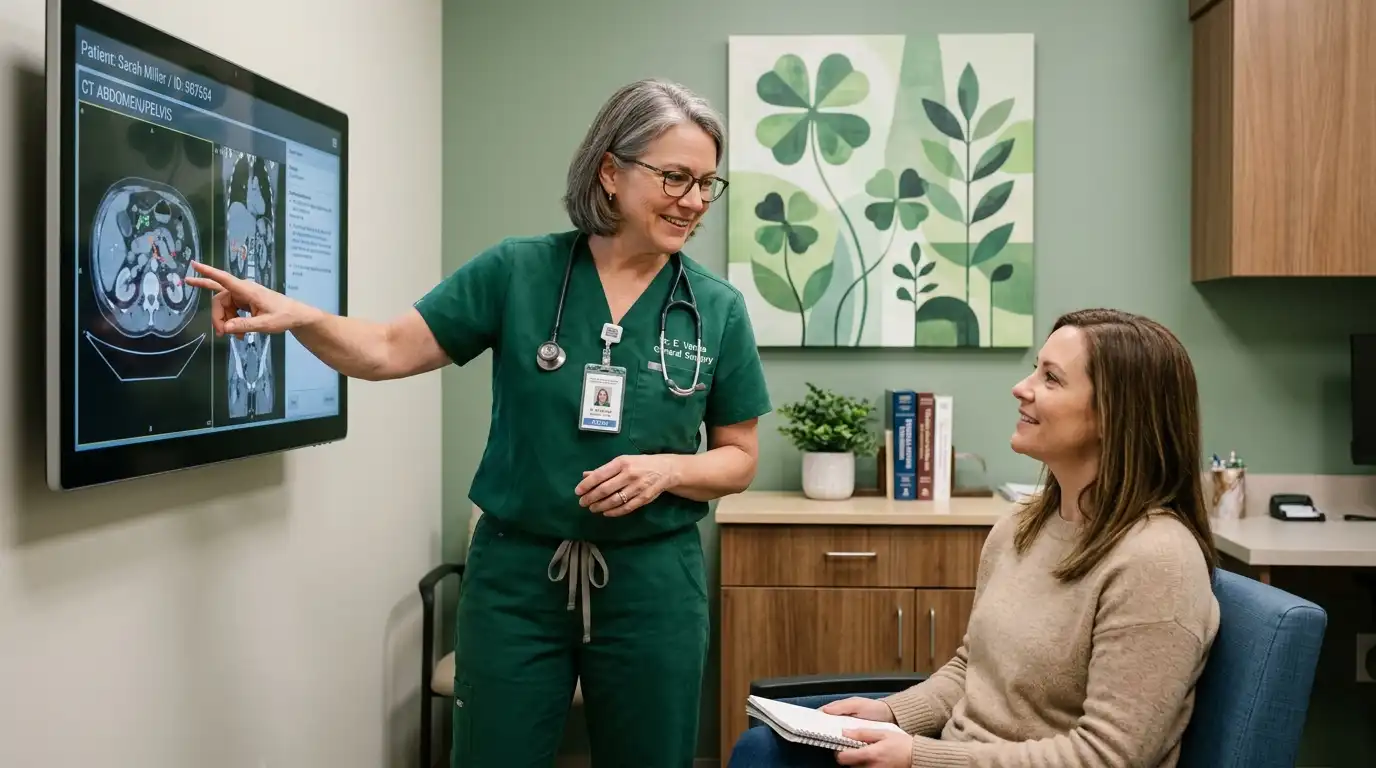
A safe surgical journey should always begin with a proper medical evaluation. Before surgery, doctors need to review the patient’s medical history, previous surgeries, current medications, allergies, laboratory results, imaging, and overall health condition. For some patients, additional tests may be required before deciding whether surgery is appropriate.
If a provider recommends surgery without asking detailed medical questions, this should be considered a warning sign. The right treatment plan should be based on the patient’s body, health risks, and medical needs, not only on what the patient requests.
Understand the Recovery and Follow-Up Plan
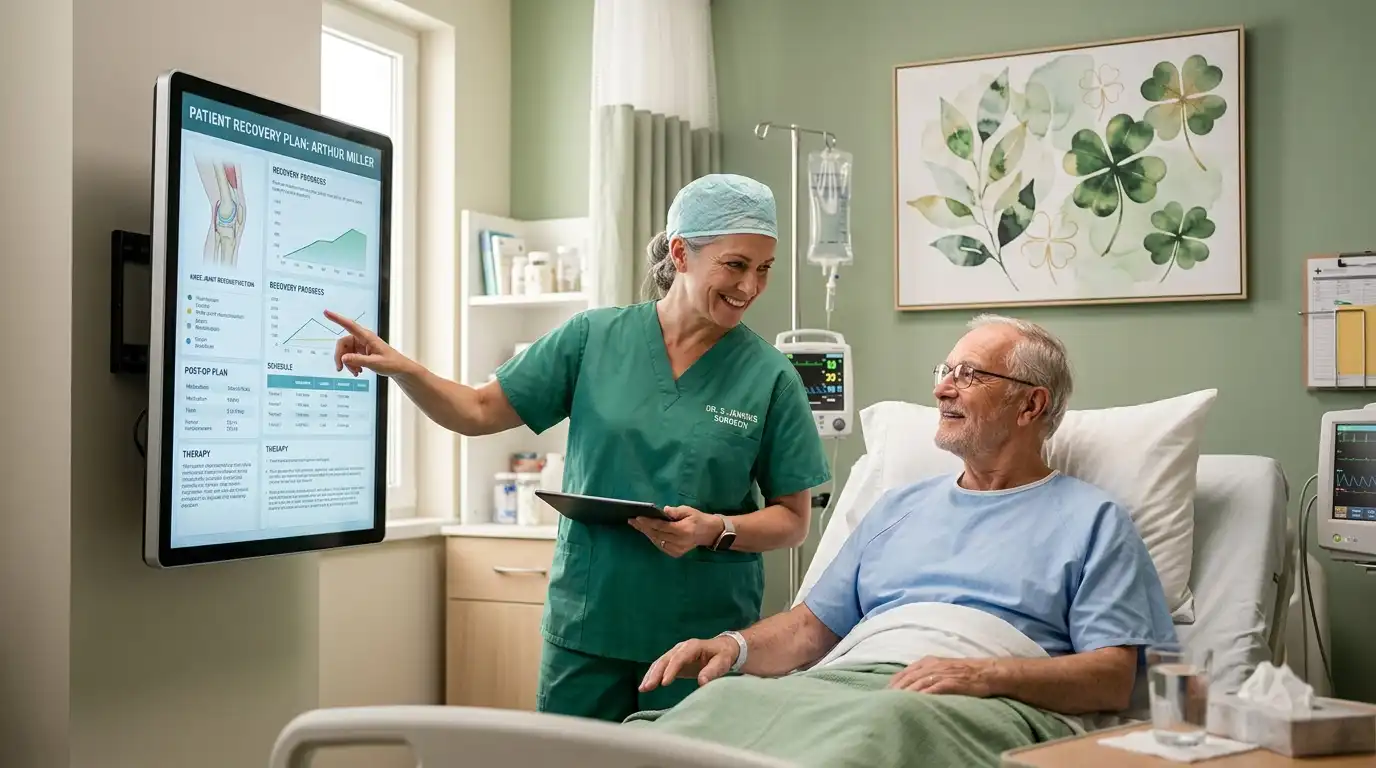
Many patients focus on the surgery itself and forget to ask what happens after. Recovery planning is one of the most important parts of surgery abroad. Patients should know how long they need to stay in the country, when they can fly, what symptoms are expected, what warning signs to watch for, and how follow-up will be managed after returning home.
The CDC highlights the importance of arranging continuity of care before patients travel for medical treatment abroad.
A responsible medical provider should give clear postoperative instructions and remain available for follow-up questions.
Check Communication and Language Support
Clear communication is essential in healthcare. International patients should make sure they can easily communicate with the medical team before, during, and after treatment. This includes understanding the procedure, consent forms, medications, recovery instructions, and follow-up recommendations.
Language support can make the process safer and less stressful, especially when patients are in a different country and healthcare system.
Know the Risks of Medical Travel
Every surgery carries risks, whether it is performed at home or abroad. Medical travel can add additional factors, such as long flights, unfamiliar systems, language differences, and follow-up challenges.
This does not mean surgery abroad is unsafe. It means patients should plan carefully and work with a medical team that understands international patient care.
The safest approach is to make decisions based on medical evaluation, hospital standards, doctor experience, and aftercare, not only convenience or price.
How BB Global Health Supports International Patients
At BB Global Health, international patient journeys are planned with a structured and personalized approach.
The process begins with medical evaluation and continues with specialist coordination, treatment planning, hospital organization, communication support, and follow-up guidance. Treatments are provided at partner institutions authorized for health tourism.
The goal is to make medical travel clearer, safer, and more organized for patients who are considering treatment in Türkiye.